






From Niche Fuel to Everyday Staple
Protein's image has undergone a dramatic transformation. Once confined to the niche world of gyms and professional athletics, it's now a mainstream wellness ingredient. This shift is visible on every supermarket shelf, where items like protein-fortified
atta, biscuits, and beverages sit alongside traditional products. Major food companies like Amul, Britannia, and ITC have embraced this trend, launching products that integrate extra protein into familiar, everyday foods. The motivation is clear: consumers are no longer just athletes but include working professionals, families, and health-conscious individuals who see protein as essential for everything from weight management to healthy ageing.
The Breakfast Protein Boost
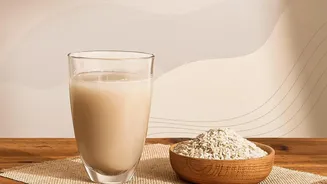
Breakfast, traditionally a carbohydrate-heavy meal in India with staples like poha or idli, is at the forefront of this change. Many are now seeking to start their day with a protein punch to stay full longer and maintain steady energy levels. This has led to a surge in products like protein-fortified oats, dosa batters, and ready-to-eat options. Natural, high-protein Indian breakfast dishes are also seeing a revival, including moong dal chilla, paneer bhurji, and sattu-based drinks, which offer substantial protein without relying on supplements. For instance, 100g of paneer can provide close to 18-20g of protein, significantly more than a standard bowl of poha.
Snacking Gets Smarter
The snack aisle is another area where protein's influence is booming. The move is away from empty-calorie snacks towards 'permissible indulgence'—tasty treats that also offer a nutritional benefit. The Indian protein bar market is a testament to this, expected to grow significantly as consumers swap traditional snacks for more functional options. This trend extends beyond bars to include protein chips, cookies, and even fortified yogurts. Quick commerce platforms have reported a staggering 150% surge in protein-related orders over the last two years, with demand growing fastest in smaller, non-metro cities. This indicates that the desire for healthier, protein-rich snacks is becoming a nationwide phenomenon.
Driven by Awareness and Convenience
Several factors are fuelling this protein wave. A growing awareness of health and wellness, amplified by social media, has made many Indians more conscious of their nutritional intake. Studies highlighting widespread protein deficiency in the country have also played a role, making consumers actively seek out protein sources. Yet, busy lifestyles demand convenience. People don't just want more protein; they want it in easy-to-consume formats that fit into their daily routines. Food companies are responding by creating products that offer a simple nutritional upgrade without requiring drastic dietary changes.
A Question of Balance
While the focus on protein is a positive step towards better nutrition, there is still widespread confusion. Recent surveys show that while Indians are actively adding protein to their diets, a vast majority are unsure about how much they actually need, with many relying on their own judgment rather than professional advice. The Indian Council of Medical Research recommends about 0.8g to 1g of protein per kilogram of body weight for the average adult. For many, this can be achieved through a balanced diet rich in dals, legumes, dairy, and eggs. The new wave of fortified foods offers a convenient way to supplement this, but awareness of overall dietary balance remains crucial.