





From Niche Beverage to Café Staple
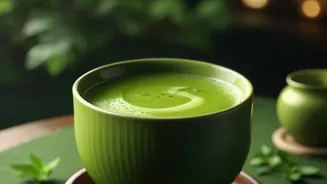
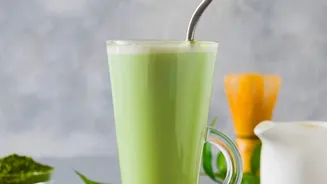
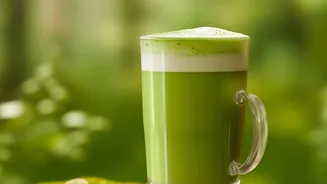
Not long ago, ordering a matcha latte was a novelty, confined to speciality coffee shops in cities like Mumbai, Delhi, and Bangalore. Driven by third-wave café culture, matcha found its footing as a chic, sophisticated alternative to coffee. Its appeal
was twofold: it offered a unique, earthy flavour and came with a story of wellness and mindful energy. Unlike the jolt from an espresso, the caffeine in matcha is balanced by L-theanine, an amino acid known for promoting a state of calm alertness. This combination resonated with health-conscious urban millennials and Gen Z, who were looking for a drink that felt both globally trendy and personally beneficial.
A New Ingredient in the Indian Kitchen
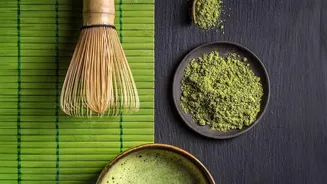
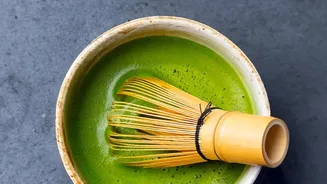
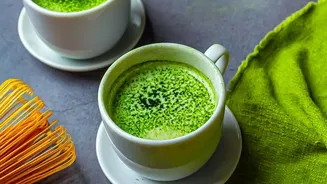
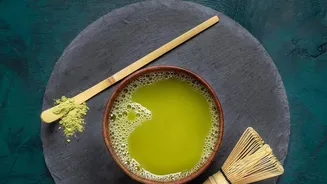
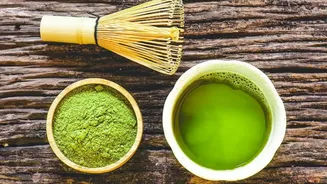
The true sign of a trend's staying power is when it moves from the café into the home. In the past year, Google searches in India for “how to make matcha” have surged by a staggering 1300%. This indicates a shift from passive curiosity to active participation. Consumers are not just drinking matcha; they are investing in matcha whisks, bowls, and kits to recreate the ritual at home. But the Indian adaptation doesn't stop at traditional preparation. Chefs and home cooks are getting creative, infusing this Japanese ingredient into familiar Indian flavours. This has led to some surprising and delightful fusion dishes, like matcha-infused barfi, rasmalai, and even savoury creations like matcha tikki chaat. While some experiments, like matcha biryani, have raised eyebrows, others show a playful culinary curiosity, mixing matcha with accessible flavours like mango, strawberry, and coconut.
The Green Glow of Wellness and Beauty
Matcha's influence now extends far beyond the kitchen. Its reputation as an antioxidant powerhouse has made it a darling of the beauty and wellness industry. Rich in a compound known as EGCG, matcha is celebrated for its anti-inflammatory properties, which can help calm redness and combat acne. As a result, it's becoming a star ingredient in face masks, cleansers, and serums from a variety of beauty brands. Google searches for terms like “matcha face wash” and “matcha enzyme scrub” have seen massive spikes, signalling that consumers are actively looking to incorporate the ingredient into their skincare routines. This aligns with a broader movement toward wellness, where the lines between what we consume and what we apply to our bodies are blurring.
An Aesthetic for the Digital Age
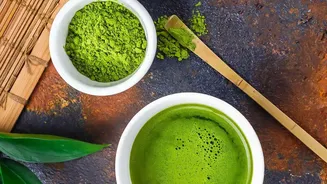
It's impossible to talk about matcha's rise without mentioning its visual appeal. The powder’s vibrant, almost electric green colour makes it incredibly photogenic. In an era dominated by Instagram and visual social media, being “Instagrammable” is a powerful driver of popularity. A beautifully crafted matcha latte or a delicate matcha dessert is not just a treat but also a piece of content. This has elevated matcha from a simple flavour to a full-blown lifestyle aesthetic. The trend has even spilled over into fashion and home goods, with breakout searches for “matcha shoes,” “matcha candles,” and “matcha perfume.” The colour itself has become synonymous with a certain modern, wellness-oriented lifestyle.
A Sign of India's Evolving Tastes
The embrace of matcha reflects a larger cultural shift in urban India. Consumers are increasingly global in their outlook, eager to adopt international trends while giving them a distinctly local twist. Matcha doesn't replace masala chai; it sits alongside it, offering a different experience for a different mood. The trend has grown so significantly that in July 2026, the first commercial batch of Indian-grown matcha was produced in Assam, a monumental shift for the nation's 200-year-old tea industry. This move to local production not only makes the product more accessible but also strengthens its place within India’s rich tea heritage.