






The Foundation of Thickness
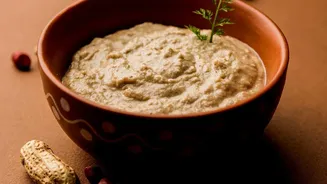
The single biggest differentiator between homemade and hotel chutney is the body. Restaurants often use a combination of ingredients to build a thick, stable base. Roasted peanuts are a popular choice, adding not just thickness but also a rich, nutty
flavour and creaminess from their natural oils. To use them effectively, dry roast raw peanuts until they are fragrant and golden, which enhances their taste and helps create a smoother grind. Another powerhouse ingredient is roasted gram dal (pottukadalai). This is a true secret weapon, as it absorbs excess water and provides bulk without an overpowering flavour, letting other ingredients like coconut or herbs shine. The ideal ratio is often a guarded secret, but a common starting point for coconut chutney is using half the amount of roasted gram as you do fresh coconut. This balance is key to avoiding a chutney that is either too watery or too pasty.
The Creaminess Factor: Beyond the Basics
For an exceptionally creamy texture, look no further than yoghurt (dahi). A dollop of thick, plain yoghurt, especially Greek yoghurt, can transform a chutney, lending it a silky consistency and a pleasant tang that cuts through the richness. It’s particularly effective in herb-based chutneys like mint and coriander, where it also helps to create a lighter, more vibrant colour. When blending, some chefs recommend adding half the yoghurt at the start and the other half later to achieve a finer paste. Beyond yoghurt, other ingredients can boost creaminess. A few raw cashews, soaked in hot water until soft, can be blended in for a rich, buttery finish. Even a slice of plain bread can be used as a secret ingredient in green chutneys; it soaks up liquid and helps create a thick, spreadable consistency perfect for sandwiches.
Mastering the Herbs and Aromatics
While texture is crucial, the fresh, vibrant flavour of hotel chutneys comes from the expert handling of herbs. For green chutneys, a common base is a combination of fresh coriander and mint leaves. A good rule of thumb is to use more coriander than mint, as too much mint can sometimes introduce a bitter aftertaste. To preserve the bright green colour and fresh taste, it's essential to avoid heat during grinding. Some professional kitchens and savvy home cooks add a few ice cubes or use chilled water when blending. This prevents the mixer blades from generating friction heat, which can 'cook' the delicate herbs and cause them to darken. Additionally, a squeeze of lemon or lime juice not only adds a necessary zesty tang but also helps in preserving that fresh green hue by preventing oxidation.
The Art of Grinding and Tempering
How you grind the chutney is just as important as what you put in it. For the smoothest result, especially when using a home mixer, don't just switch it to high and walk away. Use the pulse function in short bursts. This keeps the ingredients from overheating. Start by grinding the chunkier ingredients like coconut, ginger, and lentils into a coarse powder before adding any liquid. Then, add water (preferably chilled) little by little until you reach the desired consistency. Adding too much water at the beginning can prevent the ingredients from breaking down properly, resulting in a coarse, uneven texture. The final flourish for many South Indian chutneys is the tempering, or tadka. Sizzling mustard seeds, urad dal, dried red chillies, and curry leaves in hot oil and pouring it over the chutney adds a final layer of aroma and flavour that completes the restaurant experience.