
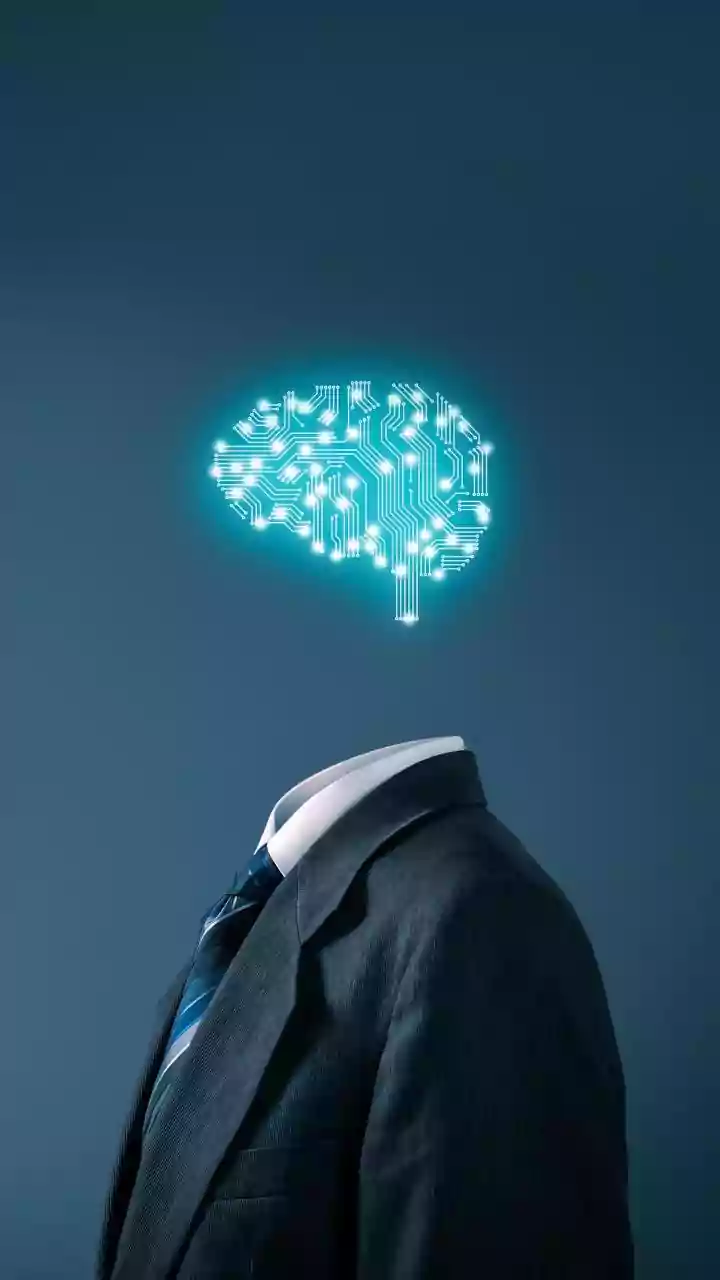
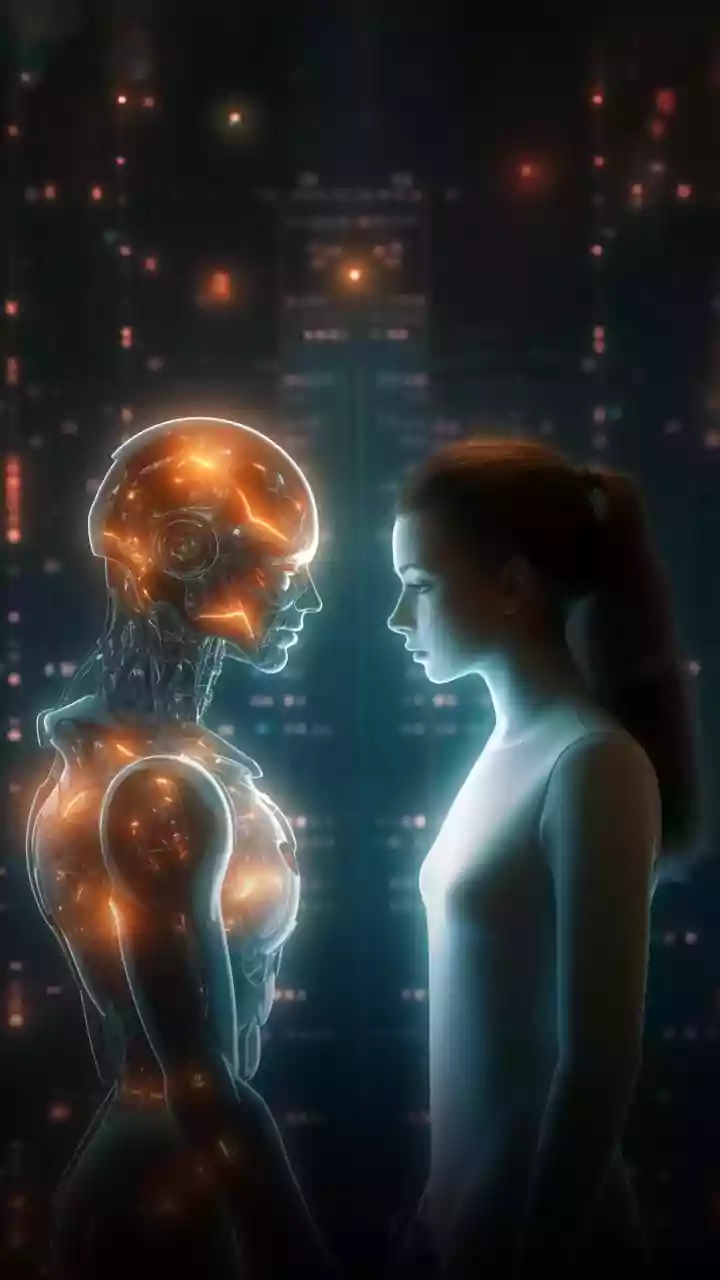


The race for AI talent has dominated hiring for years. Now, a crucial shift is underway as companies realise that technical skill alone isn't enough. The future belongs to those who can combine AI literacy with deep, real-world industry knowledge.
The First Wave: A Rush for Pure Tech
Not
long ago, the job market was in a frenzy for anyone with 'AI' or 'Machine Learning' on their resume. Companies across every sector, from finance to healthcare, scrambled to hire technical experts who could build and deploy algorithms. The demand was so intense that the specifics of a candidate's industry experience often took a backseat. The primary goal was to acquire AI capabilities, creating a gold rush for programmers and data scientists. This led to a boom in roles with shiny new AI titles, but it also created a hidden problem: a workforce of powerful tool-users who didn't always understand the intricate problems they were supposed to solve.
A Powerful Tool Without a Map
Artificial intelligence is a general-purpose technology, meaning it can be applied to almost anything. However, its output is only as good as the context and data it's given. An AI model might be able to generate a flawless marketing plan, but without someone who understands the target audience, brand voice, and competitive landscape, that plan might completely miss the mark. This is the gap companies are now trying to fill. They've discovered that AI excels when it complements existing human expertise. An experienced professional can spot when an AI's plausible-sounding answer is actually wrong, a skill that pure technical fluency doesn't provide. Relying on AI without this critical oversight can lead to a 'false sense of mastery', where a person knows the answer but not the terrain around it.
The Rise of the 'Domain Expert'
This is where 'domain knowledge' becomes the new competitive advantage. The term refers to the deep, nuanced understanding of a specific field gained through years of hands-on experience. It’s the nurse who can interpret an AI-driven patient alert within the context of that patient's history, the lawyer who can vet an AI-generated legal document for regulatory compliance, or the financial analyst who understands the market trends behind the data an algorithm is processing. Research from institutions like Wharton and Harvard Business School confirms this shift, showing that companies get more value from AI when it is in the hands of their domain experts—the people closest to the actual business problems.
Creating the Hybrid Professional
The most in_demand professionals of the near future will be 'bilingual'—fluent in both the language of their industry and the language of AI. This doesn't mean every marketer or project manager needs to become a coder. Rather, it's about developing 'AI literacy'. This includes knowing how to write effective prompts, evaluate AI_generated content for accuracy and bias, and understand how these tools can be applied strategically within a specific workflow. Conversely, tech experts who take the time to deeply learn a specific domain—be it logistics, pharmaceuticals, or media—will find their value skyrocketing. The bottleneck in AI is no longer building the model; it's knowing what the model should learn and whether it's learning the right things.
How to Prepare for the Shift
For professionals, this trend offers two clear paths for growth. If you are a domain expert, focus on building AI literacy. Start by experimenting with common generative AI tools to see how they can assist in your daily tasks, from drafting emails to analysing reports. Many companies are beginning to offer training to help their workforce adapt. If you are a technology professional, seek opportunities to specialize. Immerse yourself in a particular industry to understand its unique challenges, regulations, and customer behaviours. This combination of skills will become a powerful differentiator. The future isn't about AI replacing human expertise; it's about AI augmenting it. The biggest winners will be those who can successfully bridge the gap between the two worlds.