




Understanding Hair Damage and Protein Loss
Our hair is primarily made of a tough protein called keratin. Daily activities like washing, brushing, heat styling, and chemical treatments can damage this protein structure. This damage strips away proteins from the hair's core, or cortex, leaving it weak,
porous, and prone to breakage. Think of it like a rope that starts to fray; as individual fibres break, the entire rope weakens. This protein loss is a key reason hair can look dry, frizzy, and unhealthy. By addressing protein loss, we can help maintain the hair's structural integrity.
The Unique Power of Lauric Acid
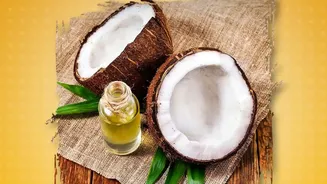
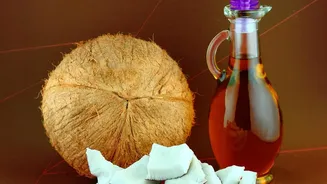
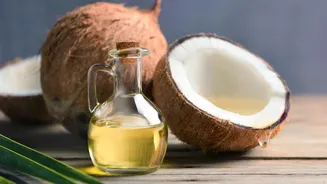
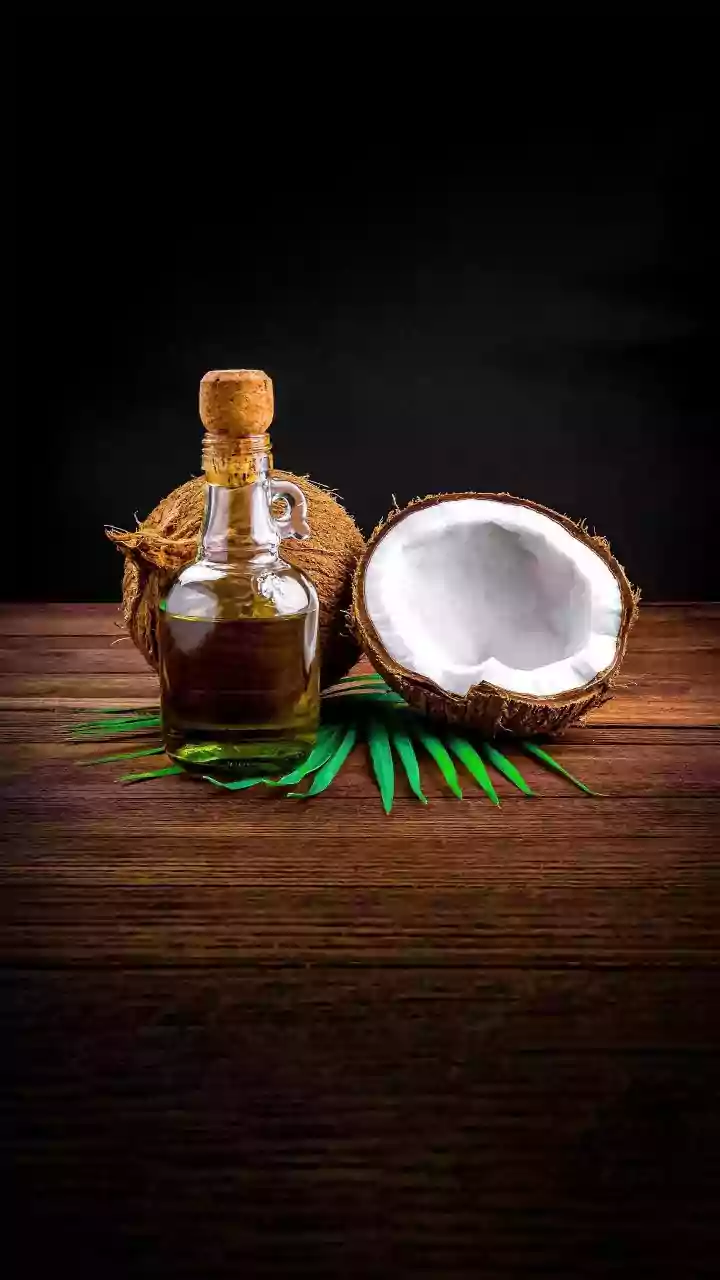
Not all oils are created equal when it comes to hair care. What makes coconut oil special is its chemical composition. It is predominantly made up of a medium-chain fatty acid called lauric acid. This is important because lauric acid has a low molecular weight and a straight, linear structure. This shape and size allow it to penetrate deep inside the hair shaft, rather than just coating the surface like many other oils. This ability to get inside the hair fibre is central to its protective effects.
What the Research Says
One of the most frequently cited studies on this topic, published in the Journal of Cosmetic Science, compared the effects of coconut, sunflower, and mineral oils on hair. The researchers found that coconut oil was the only one to significantly reduce protein loss from both undamaged and damaged hair. This held true whether the oil was applied before or after washing. In contrast, mineral oil and sunflower oil showed no remarkable effect on preventing protein loss. The study attributed coconut oil's success to lauric acid's high affinity for hair proteins and its ability to penetrate the hair shaft effectively.
How It Protects From Within
When coconut oil penetrates the hair shaft, it binds to the natural proteins, reinforcing them from the inside out. This helps to fill the microscopic gaps in damaged hair, making the strands stronger and more resilient. Furthermore, hair is most vulnerable when it's wet because it swells, causing the protective outer cuticle to lift. By applying coconut oil before washing, it can limit how much water the hair absorbs. This reduction in swelling and cuticle lifting means less damage during washing and combing, and ultimately, less protein is lost.
A Practical Guide to Using Coconut Oil
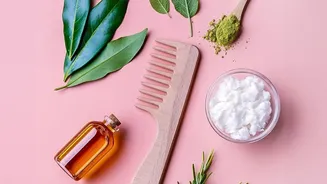
Incorporating coconut oil into your routine is simple. For a pre-wash treatment, which studies suggest is highly effective, warm one to two tablespoons of unrefined coconut oil. Apply it to dry or towel-dried hair, focusing on the mid-lengths and ends where damage is most common. You can also gently massage it into your scalp. Let it sit for at least 30 minutes to an hour; for a more intensive treatment, you can leave it on overnight with your hair wrapped in a shower cap or towel. Afterward, shampoo and condition as you normally would, ensuring you rinse thoroughly to avoid a greasy feel.
Things to Keep in Mind
While beneficial for many, coconut oil might not be for everyone. Those with very fine hair may find that it weighs their hair down, even after washing. If you have an oily scalp or are prone to acne, applying oil directly to the scalp could potentially clog pores. It's always best to start with a small amount and see how your hair and scalp react. The goal is to strengthen and moisturise, not create buildup. If using pure oil feels too heavy, many hair products are formulated with coconut oil to provide its benefits in a lighter formulation.