


Start With the Ingredient List
Before you even consider the date, flip the package over and read the ingredients. High-quality paneer has a very simple recipe: milk and a coagulating agent. The agent should be a food-grade acid like citric acid, lemon juice, or vinegar. That’s it.
If you see ingredients like starch, cornflour, or milk powder, proceed with caution. These are often used as fillers to add weight and are a sign of a lower-grade product. While not harmful, paneer with fillers won't have the same soft, creamy texture and can become rubbery or dense when cooked. For the purest taste and best results in your curries and tikkas, less is more on the ingredient list.
Mastering the 'Best Before' Date
For packaged paneer, the dates are your best friend. Always look for two things: the 'Date of Manufacture' and the 'Best Before' date. Your goal is to find the package with the most recent manufacturing date. The closer you are to the day it was made, the fresher the paneer will be. A block that is several weeks old, even if it's before its expiry, will have lost some of its moisture and delicate flavour. Don't just grab the first one you see; take a moment to compare a few packages and pick the newest one. This simple check guarantees a longer shelf life in your own fridge and a better-tasting final dish.
The Look and Feel Test
Whether you're buying packaged or loose paneer from a local dairy, your senses are a crucial tool. Fresh paneer should have a uniform, milky off-white colour. Avoid any blocks with a yellowish tinge or discoloured patches, as this can be a sign of ageing or improper storage. Next is the touch test. Gently press the paneer. It should feel soft and spongy, with a bit of spring. If it feels overly hard, dense, or rubbery, it’s likely not fresh. Conversely, if it feels slimy or falls apart too easily, it might be starting to spoil. A good block should be firm enough to cube but tender enough to melt in your mouth.
Don't Forget the Smell Test
This is especially important when buying loose paneer. Fresh, well-made paneer should have a very mild, pleasant, and slightly milky aroma. It should smell clean. If you detect any sourness, a pungent tang, or any 'off' odour, it's a definitive sign that the paneer has started to spoil due to bacteria. Trust your nose—it's one of the most reliable indicators of freshness. Even with packaged paneer, if you open it at home and it smells sour, it's best to discard it, regardless of the expiry date.
Smart Storage for Longer Freshness
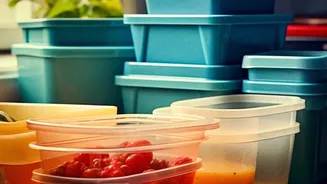
How you store your paneer is just as important as how you buy it. Once you open a package or bring home loose paneer, don't just wrap it in plastic and hope for the best. The ideal method is to place the paneer block in a container and submerge it completely in fresh water. Seal the container and place it in the refrigerator. This simple trick prevents the paneer from drying out, hardening, or absorbing other smells from your fridge. For best results, change the water every day or at least every two days. Stored this way, fresh paneer can last for up to a week, remaining soft and ready for your next culinary creation.