





A Friendship Forged in the Stars
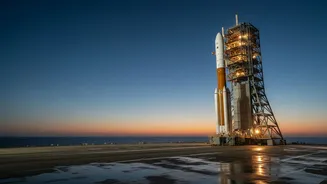
The foundation of the India-Russia space partnership is as old as India's own space ambitions. It dates back to the 1960s, when the Soviet Union provided assistance to establish India's first rocket launching station. This collaboration launched India's cosmic
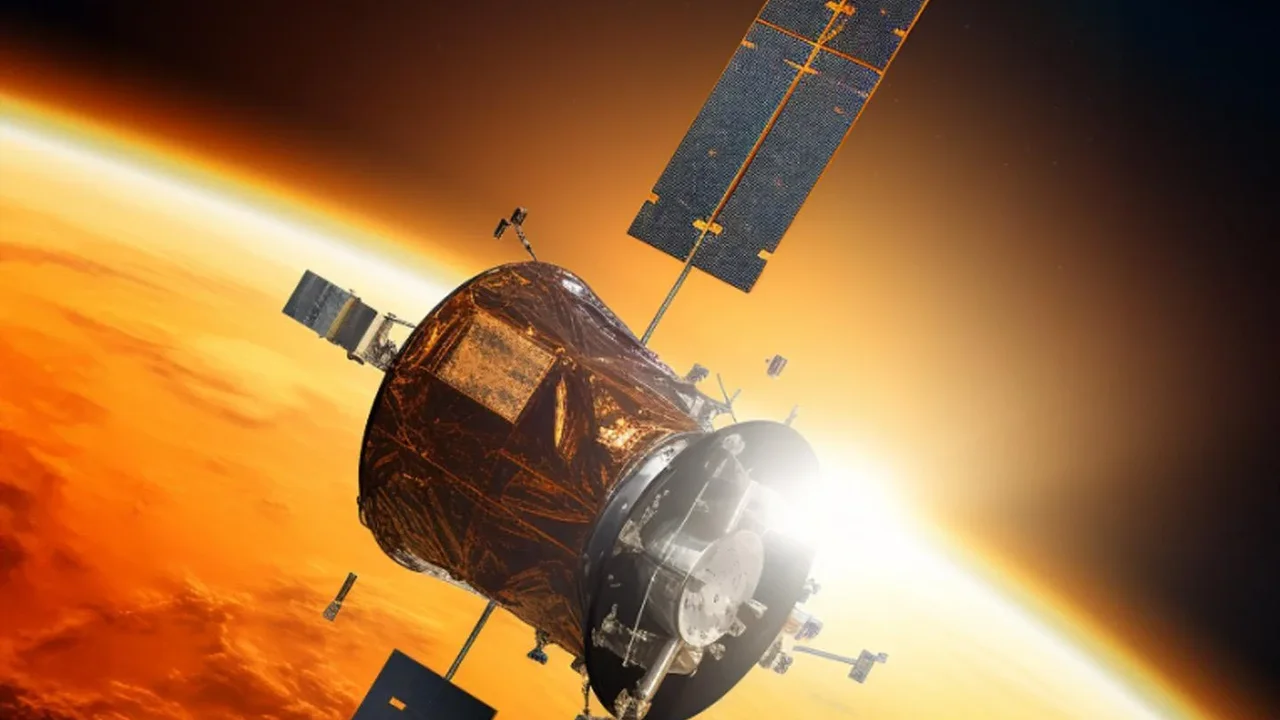
journey, literally, with a Soviet rocket carrying India's first satellite, Aryabhata, into orbit in 1975. For many Indians, the most iconic moment of this friendship came in 1984, when Rakesh Sharma became the first Indian in space, flying aboard the Soviet Soyuz T-11 spacecraft. This was not merely a technological exchange; it was a powerful symbol of trust and shared goals, cementing a bond that would endure through decades of global change.
The Modern Cosmic Handshake
This historic partnership is not a relic of the past. Today, it is more critical than ever, most visibly in India's ambitious Gaganyaan mission, which aims to send Indian astronauts into orbit. Russia's Roscosmos is playing a pivotal role, providing everything from crew seats and viewports to vital life support systems. Crucially, Russia's Gagarin Cosmonaut Training Centre, where Rakesh Sharma once trained, has been preparing India's new generation of astronaut-designates for the rigours of spaceflight. This deep involvement in India's flagship human spaceflight programme is the modern-day equivalent of the Aryabhata launch—a clear signal of a special and privileged strategic partnership.
Navigating a New Space Era Together
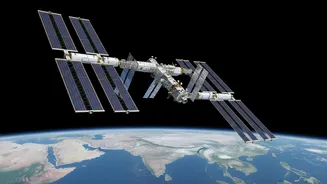
As the global space landscape becomes more crowded and competitive, the steadfast nature of the India-Russia alliance provides a stable anchor. While new players and international frameworks emerge, this decades-long collaboration continues to evolve. Recent discussions have focused on Russia supplying powerful semi-cryogenic rocket engines, which could significantly boost the payload capacity of India's LVM3 rockets and accelerate future missions. There is also talk of future collaboration on India's planned 'Bharatiya Antariksh Station' by 2035, with ISRO expressing a desire to partner with Russia on its development, leveraging their extensive experience with orbital stations like Mir and the ISS. This demonstrates a relationship moving beyond mere transactions towards co-development and long-term strategic alignment.
More Than Just Strategy
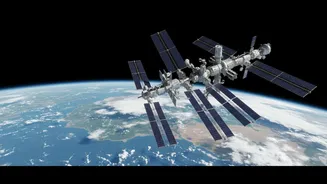
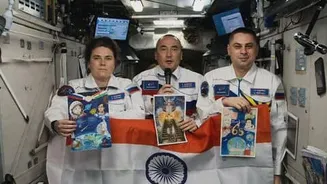
While the strategic and technological benefits are clear, the partnership also carries a strong element of public diplomacy and mutual respect. Recently, Russian cosmonauts aboard the International Space Station (ISS) sent warm greetings to India ahead of its Independence Day, holding up the tricolour and celebrating the long history of cooperation. They recalled how Yuri Gagarin, the first man in space, described India as a land of "true friends" after his visit in 1961. These symbolic gestures, or "orbital greetings," reinforce a narrative of a time-tested friendship that operates on both a governmental and a human level, strengthening ties that are rooted on Earth and extend into the cosmos.