
Vada Pav: The Heartbeat of Mumbai
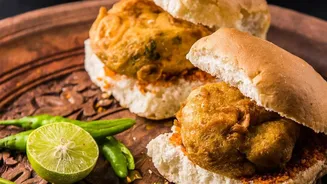
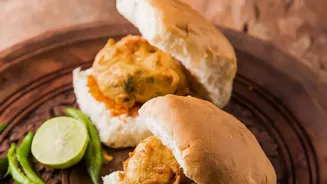
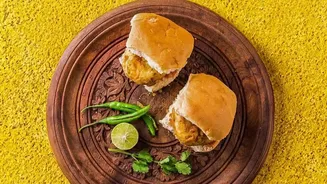
Often called the ‘Indian burger’, Vada Pav is more than just a snack; it's a cultural icon. This humble dish consists of a spicy mashed potato fritter (batata vada) tucked inside a soft bread roll (pav), often accompanied by tangy and spicy chutneys.
It originated in the 1960s as an affordable and convenient meal for Mumbai's textile mill workers and was reportedly invented by Ashok Vaidya outside Dadar station. Its genius lies in its simplicity and accessibility, providing a quick, flavour-packed meal on the go. Today, it’s a symbol of Mumbai's bustling street food scene, enjoyed by everyone from students to business executives.
Aloo Gobi: The Comforting Classic
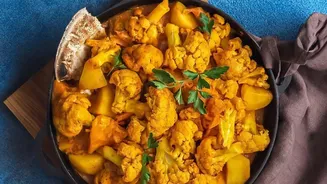
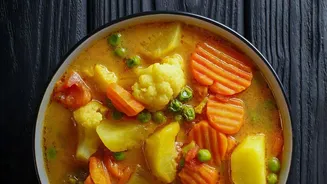
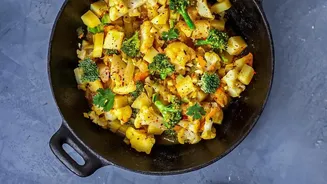
Aloo Gobi is a staple dry vegetable dish (sabzi) in countless Indian households, especially across North India. Tracing its origins to the Punjab region, this dish is a simple yet flavourful preparation of potatoes and cauliflower cooked with onions, tomatoes, and a blend of aromatic spices like turmeric, cumin, and coriander. While restaurant versions are popular, the true soul of Aloo Gobi lies in home cooking, where it is a go-to comfort food. Its beauty is in its balance, allowing the earthy potatoes and tender cauliflower to absorb the spices without being overpowered, creating a wholesome and satisfying meal often served with roti or paratha.
Masala Dosa: South India’s Star
While the dosa itself is an ancient South Indian crepe, the addition of a spiced potato filling transformed it into the world-renowned Masala Dosa. This iconic dish, with its crispy, fermented rice-and-lentil crepe wrapped around a soft, savoury potato masala, is a breakfast favourite but enjoyed at any time of day. The potato filling, or 'palya', is typically made with boiled potatoes, tempered with mustard seeds, curry leaves, onions, and turmeric. Its origin is often credited to the Udupi restaurants of Karnataka, which popularized this genius combination that offers a perfect symphony of textures and flavours.
Dum Aloo: The Rich & Royal Curry
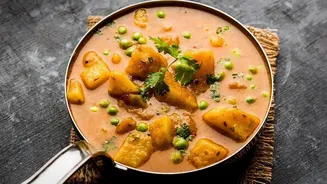
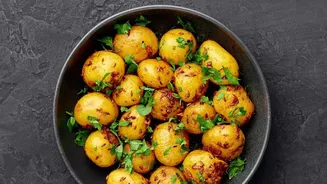
Dum Aloo, which translates to 'slow-cooked potatoes', is a luxurious curry where baby potatoes are the hero. The most famous version comes from Kashmir, where fried baby potatoes are simmered in a spicy, yogurt-based gravy fragrant with fennel and ginger powder. This Kashmiri Pandit preparation traditionally uses no onions or garlic. However, regional variations are abundant. The Punjabi or restaurant-style version features a richer, creamier gravy made with onions, tomatoes, and sometimes cashew paste, while the Bengali ‘Alur Dom’ is spicier and often enjoyed with luchis. The slow-cooking 'dum' method ensures the potatoes absorb the deep, complex flavours of the gravy.
Aloo Tikki Chaat: The Ultimate Street Snack
A perfect explosion of sweet, spicy, and tangy flavours, Aloo Tikki Chaat is a beloved street food across North India. The heart of the dish is the 'aloo tikki'—a spiced potato patty that is shallow-fried until its exterior is irresistibly crisp and golden-brown, while the inside remains soft. This crispy patty is then mashed slightly and loaded with yogurt, tamarind chutney, and mint-coriander chutney. A final garnish of chopped onions, sev (crispy chickpea flour noodles), and sometimes pomegranate seeds adds another layer of texture and freshness. It’s a dish that engages all the senses and embodies the vibrant, multi-layered experience of Indian street food.