




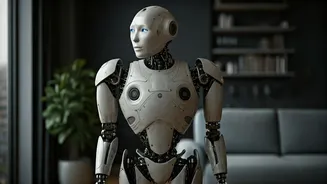


Meet U1: A Robot That Remembers
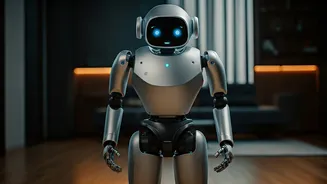
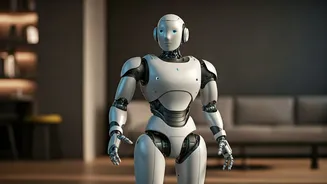
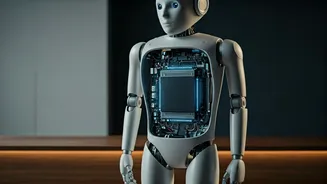
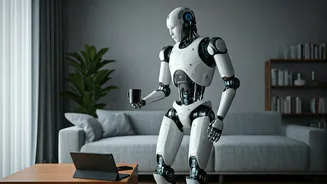
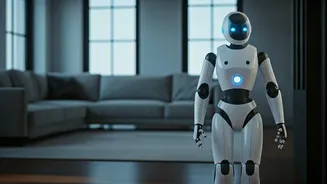
Chinese robotics firm UBTECH has officially unveiled the U1, a full-size consumer humanoid robot designed not for the factory floor, but for the family living room. Coming in two models, a 183cm male version and a 168cm female version, the U1 is being
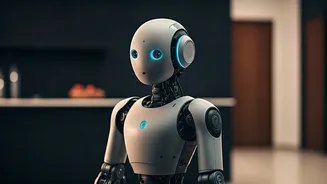
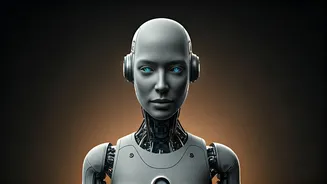
positioned as a companion first and foremost. Instead of highlighting industrial capabilities, UBTECH is focusing on what it calls an "emotional AI model" that runs locally on the robot itself. This means the U1 is designed to hold conversations, maintain eye contact, and remember past interactions to create a more personalized experience over time, all without constantly sending your data to the cloud.
Why Local AI Is a Game-Changer
The secret ingredient is local AI, sometimes called 'edge computing'. For years, most smart devices have relied on powerful cloud servers to do their heavy lifting. Your robot would see or hear something, send that data over the internet for processing, and then wait for instructions. This process introduces delays (latency) and raises significant privacy questions. By running its core AI on a dedicated onboard processor, the U1 sidesteps these issues. User data and interactions are stored directly on the device, offering a powerful layer of privacy and security. This local-first approach means the robot can react in real-time, operate without a perfect Wi-Fi connection, and build a relationship with its owner without sharing personal data with a third party.
More Companion Than Appliance
Unlike many humanoid prototypes focused on performing household chores, the U1 is being marketed primarily for companionship and social interaction. Its design includes lifelike silicone skin and 88 servo joints for more natural, human-like movements. The onboard AI is built to recognize and respond to over 20 emotional states, aiming for a deeper level of interaction than a simple voice assistant. UBTECH suggests applications ranging from elder care and education to hospitality and reception services. While it doesn't do chores, it can offer health reminders and build a continuous memory of its user, creating a sense of a loyal presence in the home. This focus on emotional connection over physical utility marks a significant shift in the personal robotics market.
The Competitive Landscape
UBTECH is not alone in the race to build personal robots, but its local AI and companionship-first strategy is a notable differentiator. Other major players like Tesla with its Optimus robot, Figure AI, and even competitors like Unitree with its G1 robot, have often emphasized industrial applications or general-purpose utility. The market for humanoid robots is projected to grow dramatically, with some analysts forecasting it to reach hundreds of billions of dollars within the next decade. While some robots are learning to run marathons and work in factories, the U1 is learning to be a friend. Early interest seems strong, with UBTECH reporting thousands of pre-orders, signaling that for many consumers, a robot's ability to connect may be more valuable than its ability to clean.