
The Iconic Duo: Fafda and Jalebi
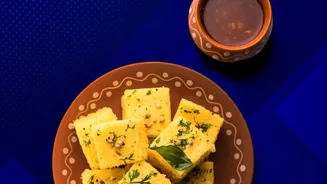
The dish in question is none other than the legendary combination of Fafda and Jalebi. While they are two distinct items, in the hearts and on the plates of Gujaratis, they are inseparable. Fafda is a crunchy, yellow, ribbon-like snack made from a seasoned
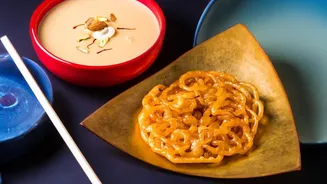
dough of besan. It's savory, mildly spiced with carom seeds and turmeric, and fried to perfection. Its partner, Jalebi, is a sweet spectacle. Made from a fermented batter that's piped in intricate spirals into hot oil and then dunked in a fragrant sugar syrup, Jalebi is crispy on the outside and chewy on the inside, bursting with sweetness. Together, they represent a quintessential Gujarati love for combining contrasting flavors in a single, harmonious meal.
The Savory Skill of Fafda
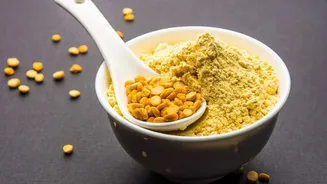
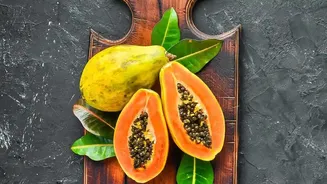
Fafda may look simple, but its preparation is an art form. The dough is made from besan, salt, oil, and spices like carom seeds (ajwain). The real skill lies in the unique method of shaping it. A small ball of dough is placed on a wooden board and, using the base of the palm, it is stretched and pressed into a long, thin strip. This requires practice and precision to achieve the right thickness and length without breaking the dough. Once shaped, the strips are carefully lifted and deep-fried until they are crisp. Fafda is never served alone; it's accompanied by a tangy and slightly sweet chutney made from raw papaya called 'sambharo' and often some fried green chilies for an extra kick.
The Sweet Swirl of Jalebi
Jalebi has a more widespread history, with its origins traced back to West Asia as 'zalabiya'. It journeyed to India centuries ago and was wholeheartedly adopted and adapted. The process involves creating a fermented batter, typically from all-purpose flour, which gives it a slight tang. This batter is piped in concentric circles into hot ghee or oil, where it puffs up and cooks to a crisp. The hot, fried spirals are then immediately plunged into a warm sugar syrup often flavored with cardamom and saffron, which gives them their signature golden-orange hue and crystalline coating. The result is a sweet that is both crunchy and syrupy, a decadent treat that perfectly counters the savory Fafda.
A Cultural Cornerstone
The combination of Fafda-Jalebi is more than just a breakfast; it's a cultural ritual, especially on weekends and festival days. It is particularly synonymous with Dussehra (also known as Vijayadashami). On this day, farsan (snack) shops in Gujarat see massive queues from the early morning hours. The tradition is rooted in various beliefs. One popular story links the pairing to Lord Rama and his devotee Hanuman; Rama was fond of the sweet Jalebi (an ancient version was called 'Shashkuli'), while Hanuman favored snacks made from besan. Eating the two together is a way of celebrating Rama's victory over Ravana. Another reason is that after nine nights of Navratri fasting, breaking the fast with something made from gram flour is considered auspicious and light on the stomach. The jalebi provides a quick energy boost after days of fasting and dancing garba.
An Unforgettable Experience
To eat Fafda-Jalebi is to experience a delightful collision of sensations. You take a piece of the warm, salty, and crunchy fafda, maybe dip it in the papaya chutney, and follow it with a bite of the hot, sweet, and chewy jalebi. The balance is exquisite. The savory fafda cuts through the intense sweetness of the jalebi, and the jalebi’s sticky syrup coats the salty crisp, creating a flavor profile that is complex, satisfying, and utterly unique. It’s a social food, meant to be enjoyed fresh from the fryer, standing at a bustling street-side stall or shared with family on a lazy Sunday morning. It’s a testament to the idea that in cuisine, as in life, opposites truly do attract.