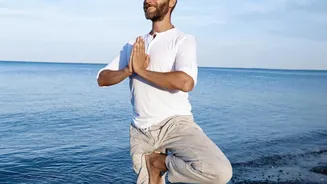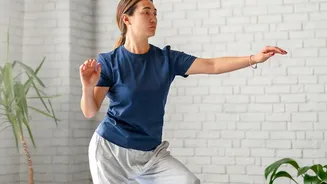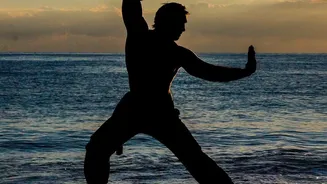

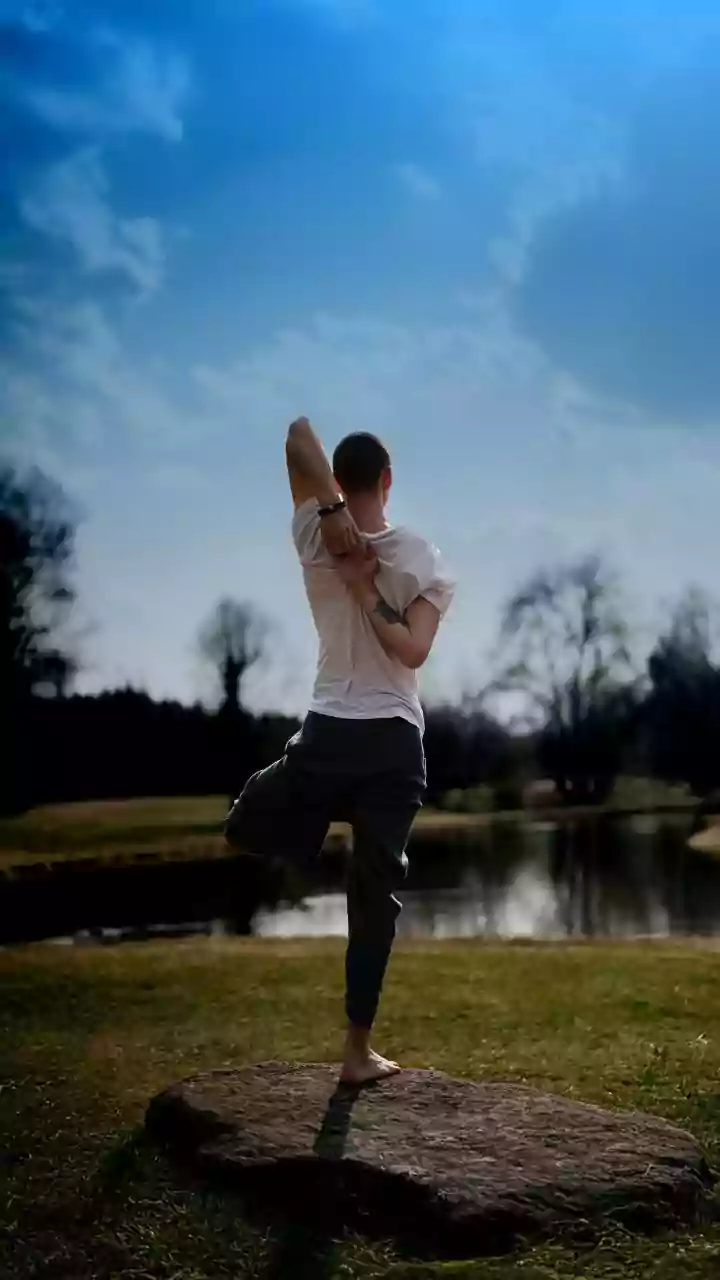

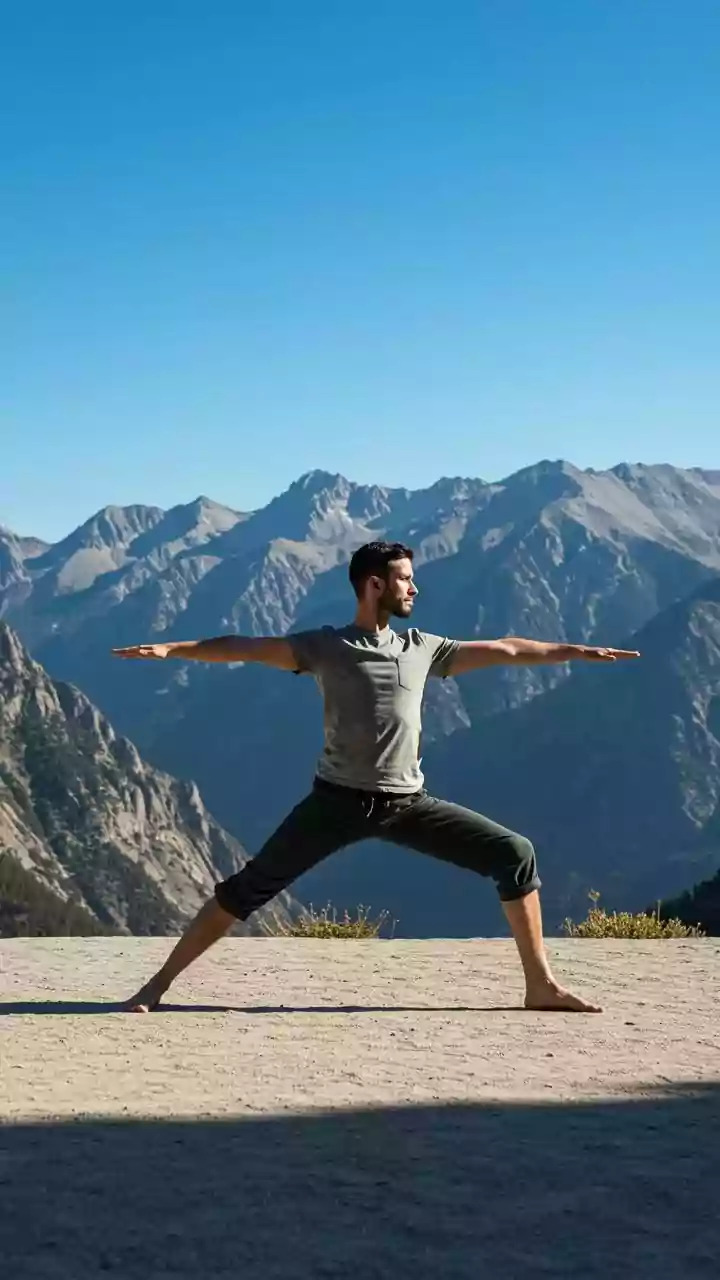



Why the Beach Changes Everything
At its core, Tai Chi is about balance, controlled movement, and the seamless flow of energy. On a flat, solid surface, your body learns the patterns and can execute them with a certain level of predictability. Take that same practice to the beach, and the rules
change entirely. The soft, uneven surface of sand provides constant, unpredictable resistance. Every step, every weight shift, and every stance requires a higher degree of focus and physical adjustment. The very ground beneath you is no longer a stable foundation but an active variable in your workout. This instability is not a drawback; it's a feature. It forces your body to abandon muscle memory and engage in a more profound way, turning a familiar routine into a novel and more demanding experience.
A Deeper Workout for Your Muscles
Exercising on sand requires significantly more effort than on a hard surface—studies show it can take up to 2.7 times more energy to walk on sand. This principle applies directly to Tai Chi. To hold a simple stance, your body must constantly make micro-adjustments to avoid sinking or losing balance. This process recruits and strengthens a host of smaller, stabilizing muscles in your feet, ankles, legs, and hips that are often underused on stable ground. Your core muscles, in particular, must work overtime to maintain your center of gravity. The result is a more comprehensive and efficient workout that builds functional strength in the muscles essential for balance and posture.
Boosting Your Sixth Sense: Proprioception
Proprioception is your body's innate ability to sense its position and movement in space. Think of it as a sixth sense that helps you walk without looking at your feet or touch your nose with your eyes closed. Tai Chi is already renowned for its ability to enhance proprioception through slow, deliberate movements. Practicing on sand amplifies this benefit exponentially. The unstable surface forces your neuromuscular system—the communication highway between your brain and muscles—to work much harder. Your brain receives constant, detailed feedback from the nerves in your ankles and feet, learning to react faster and more precisely to maintain balance. This heightened training can lead to improved coordination and a reduced risk of falls in daily life.
Enhanced Mindfulness and Focus
One of the primary goals of Tai Chi is to achieve a state of 'meditation in motion'. It requires a deep focus, syncing breath with movement. The sand-based practice naturally enhances this mental discipline. You simply cannot let your mind wander when the ground beneath you is constantly shifting. You are forced to be present, paying close attention to every nuance of your body's position and the distribution of your weight. This intense focus, combined with the calming sounds of the waves and the fresh ocean air, can lead to a more profound state of relaxation and stress reduction than practicing indoors.
Tips for a Safe and Effective Beach Practice
While beneficial, exercising on sand introduces new risks. It's crucial to approach it with caution, especially if you have pre-existing ankle, knee, or back issues. Start on firmer, wet sand closer to the water, as it provides a more stable surface. Begin with basic stances and slow, simple movements, like the 'Circles in the Sand' exercise, to allow your body to adapt. Go barefoot to maximize sensory feedback, but be mindful of sharp shells or debris. Avoid dramatically sloped areas of the beach, which can strain your joints. And as with any outdoor workout, remember to stay hydrated, protect yourself from the sun, and listen to your body, stopping if you feel any pain.