








This Dhanteras, the festive glitter of gold is shining a little differently. A timely dip in prices has brought cheer to buyers, but it has also highlighted a significant shift in how Indians are approaching their auspicious purchases.
The Pre-Festive Price Dip
Gold prices, which
had soared to record highs of over ₹1,75,000 per 10 grams in January 2026, saw a significant correction leading up to the festive season. In October alone, prices fell by about 7%, providing much-needed relief to consumers who had been cautious for months. While prices on Dhanteras were still around 7-9% higher than the previous year, this drop from the peak stimulated demand. Jewellers and industry bodies like the All India Gem and Jewellery Domestic Council (GJC) noted that this correction was a key factor in reviving consumer sentiment just in time for Dhanteras and the upcoming wedding season. The sentiment was clear: while gold remains an essential part of festive traditions, affordability has become a major consideration for buyers.
Small Is the New Big
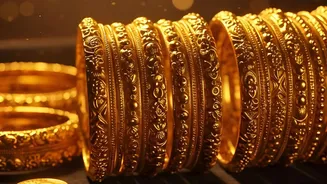
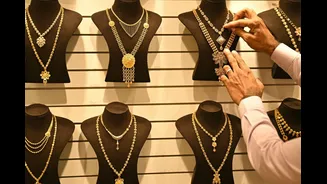
The most prominent trend this year is the move towards smaller, more practical purchases. Instead of heavy, locker-bound sets, consumers are opting for lightweight chains, minimalist rings, small pendants, and everyday-wear bangles. Jewellers report that while sales value is expected to rise by 20-30% due to higher gold prices compared to last year, the sales volume in grams is likely to remain flat. This data point tells a story of recalibration. Buyers aren't leaving the market; they are simply adjusting their ticket sizes. This shift is driven by a desire for jewellery that is not just auspicious but also versatile and wearable beyond special occasions. The trend is so pronounced that even wedding jewellery is seeing a move towards lighter 18-karat gold pieces instead of the traditional 22-karat.
What’s Driving This Shift?
Several factors are behind this evolving consumer behaviour. The primary driver is budget management. With gold prices remaining elevated compared to previous years, shoppers are making pragmatic choices to stay within their budgets without forgoing the tradition of buying gold. Younger, millennial, and Gen Z consumers are also influencing this trend. They prefer minimalist, modern designs that reflect their personal style and can be worn daily. This demographic values self-expression and practicality over sheer weight. Furthermore, the rise of organised and online retail has made a wider variety of designs accessible. Platforms like Amazon India reported significant growth in sales of gold rings and earrings, indicating a strong appetite for smaller, more frequent purchases online.
How the Industry Is Responding
Jewellery brands are adapting quickly to this new reality. Many have expanded their lightweight collections, focusing on sleek, modern chains, geometric pendants, and stackable rings that appeal to today's buyer. Some are leaning into the trend by offering designs in lower caratages like 18-karat or 14-karat gold to make them more accessible. Retailers are also noticing increased interest in diamonds and coloured gemstones, which allow for stylish, value-driven pieces without the high grammage of traditional gold jewellery. The focus has shifted from selling gold purely as an investment to framing it as a wearable asset that blends tradition with modern lifestyles. Brands are using digital platforms not just for sales but to engage with customers on design, wearability, and value.