


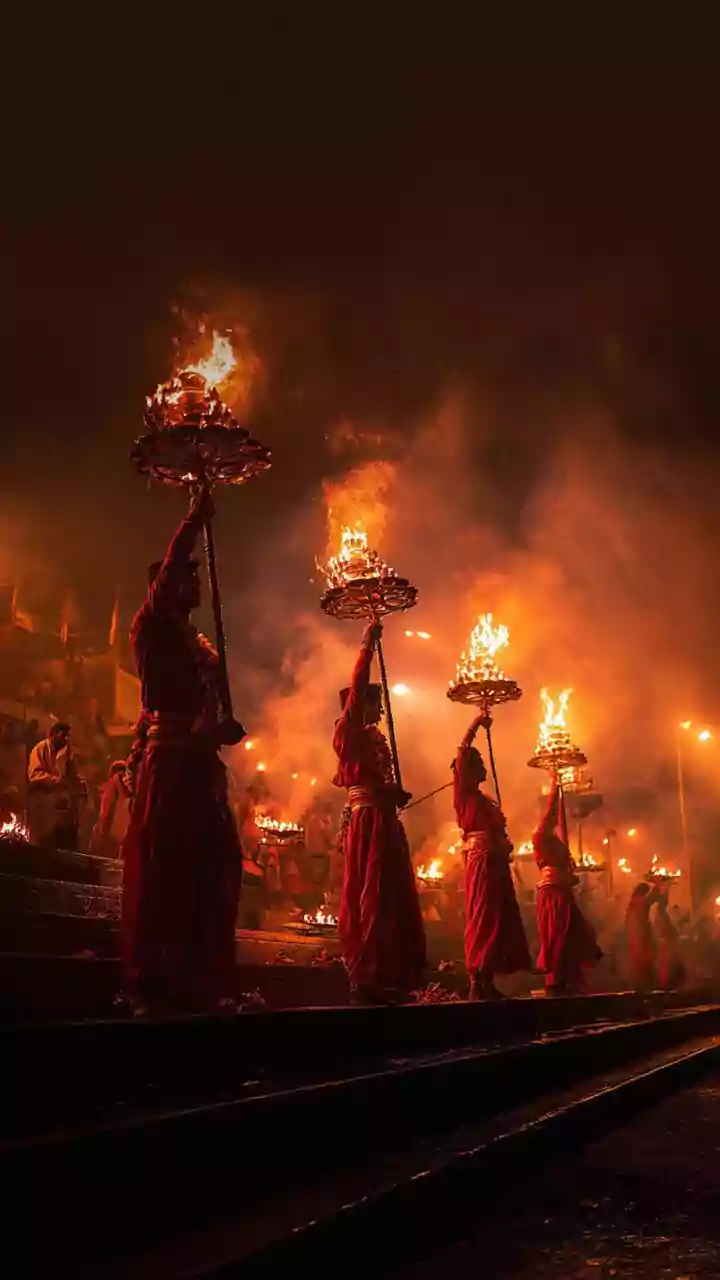

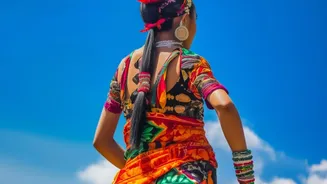
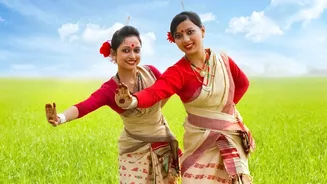
Mark your calendars for a vibrant cultural immersion. The Nagaland Hornbill Festival, the famed 'Festival of Festivals', is set to unfold from December 1 to 10, 2026, at the Naga Heritage Village in Kisama, just outside of Kohima.
What is the Hornbill Festival?
First held in the year
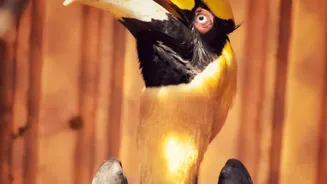
2000, the Hornbill Festival is an annual celebration organized by the Nagaland government to promote and preserve the rich, diverse cultures of its many tribes. Named after the revered great Indian hornbill bird, a symbol of grandeur in Naga folklore, the festival brings all of Nagaland's major tribes together for a ten-day extravaganza. Often called the 'Festival of Festivals', its primary goal is to encourage inter-tribal interaction and showcase Nagaland's unique identity to the world. It offers an unparalleled opportunity for visitors to experience the distinct customs, songs, dances, and traditions of the Naga people in one location.
The Venue: Naga Heritage Village, Kisama
The festival takes place at Kisama, a purpose-built heritage village located about 12 kilometres from Kohima, the state capital. The name 'Kisama' is a portmanteau of two neighbouring villages, Kigwema and Phesama. The venue is designed to resemble a traditional Naga village, featuring replicas of tribal community houses known as 'morungs'. Each of Nagaland's recognised tribes has its own morung at Kisama, authentically decorated with carvings and motifs specific to their culture. This allows visitors to walk through a living museum, stepping into different tribal worlds, interacting with elders, and witnessing traditions firsthand.
A Feast for the Senses: What to See and Do
The heart of the festival is the daily cultural performances in the main arena, which typically run from morning until late afternoon. Here, different tribes showcase their heritage through powerful war dances, vibrant folk songs, and traditional rituals. Beyond the main stage, visitors can explore the individual morungs, shop for exquisite handwoven shawls, beaded jewellery, and woodcrafts, or witness indigenous games like Naga wrestling, archery, and gravity-defying pole climbing. The evenings are just as lively, with the Hornbill International Rock Contest attracting bands from across the country and the Night Carnival in Kohima offering street food and music.
Flavours of Nagaland: Food and Drink
The Hornbill Festival is a food lover's paradise, offering a deep dive into the robust and flavourful cuisine of Nagaland. Each tribe manages its own food stall, serving authentic dishes. Smoked pork with bamboo shoot is a quintessential delicacy, as are dishes featuring 'axone' (fermented soybean). Adventurous eaters can try chutneys made with the fiery Naga King Chilli. For a complete local experience, you must try 'Zutho', a traditional rice beer often served in bamboo mugs. While Naga cuisine is predominantly meat-based, some vegetarian options are available.
Planning Your Trip: Permits and Travel
To attend the festival, Indian tourists from outside Nagaland must obtain an Inner Line Permit (ILP). This can be applied for online at the official Nagaland government portal or offline at Nagaland House offices in major cities like Delhi and Kolkata. The permit for tourists is typically valid for 30 days. Foreign tourists (with some exceptions) do not require a special permit but must register at the local Foreigner's Registration Office (FRO) upon arrival. The nearest airport and major railway station are in Dimapur, which is about 70–75 kilometres from Kohima. From Dimapur, it's a scenic 2–3 hour taxi ride to the capital. Due to the festival's popularity, it is highly advisable to book flights and accommodation several months in advance.