




More Than a Cooking Accessory
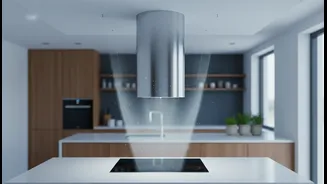
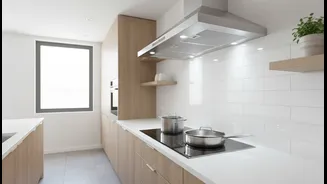
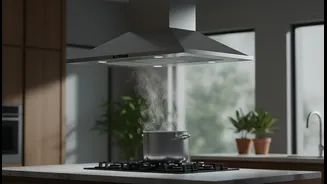
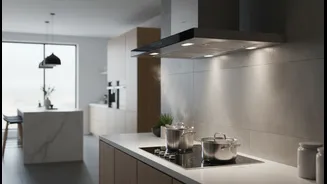
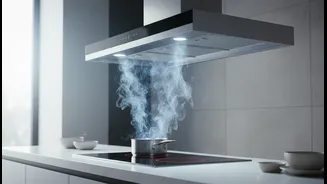
Your range hood is the quiet workhorse of the kitchen, designed to pull smoke, steam, cooking odours, and airborne grease particles out of the air. Without it, a greasy film would quickly coat your cabinets and ceiling. More importantly, this appliance
is a critical safety feature. Over time, the filters and ductwork can accumulate highly flammable grease. This buildup poses a serious fire hazard, as a simple spark or flare-up from the stovetop can ignite it, leading to a dangerous kitchen fire. Regular cleaning removes these dangerous deposits, significantly reducing the risk to your property and household. Beyond fire safety, a clean hood functions more efficiently, improving kitchen air quality by properly venting pollutants that can aggravate respiratory issues.
A Quick Guide to Filter Types
Before you can clean your hood, you need to know what kind of filter you have. Most residential range hoods use one of two main types. The most common are reusable grease filters, made of metal mesh or stainless steel baffles. These are designed to be cleaned and reused for years. The second type is a charcoal filter, found only in ductless or recirculating hoods. These filters are not meant for cleaning; they absorb odours and must be replaced periodically. If you're unsure, your appliance manual will tell you which type you have. Knowing the difference is key, as trying to wash a charcoal filter is ineffective.
How to Clean Reusable Metal Filters
Cleaning metal filters is simpler than it sounds and should be done at least monthly if you cook often. First, remove the filters from the hood; most have a latch or loop that makes them easy to slide or pop out. Fill your sink or a large basin with very hot water, a generous squirt of a degreasing dish soap, and about a quarter cup of baking soda. Submerge the greasy filters and let them soak for at least 10 to 15 minutes to loosen the grime. Afterwards, use a non-abrasive brush to scrub away any remaining residue. Avoid using harsh scouring pads, which can damage the filter. Rinse them thoroughly under hot water and let them dry completely before reinstalling them.
Replacing Disposable Charcoal Filters
If you have a ductless hood, your primary maintenance task will be replacing the charcoal filters. These cannot be cleaned. Over time, the activated charcoal becomes saturated with absorbed odours and can no longer clean the air effectively. A good rule of thumb is to replace them every three to six months, though you may need to do it more often if you frequently cook foods with strong aromas. A tell-tale sign that it's time for a replacement is when cooking smells seem to linger in the kitchen long after you've finished cooking.
Finishing the Job: The Hood Itself
While the filters are the main event, don't forget to clean the rest of the unit. With the filters removed, take a moment to wipe down the inside surfaces of the hood where grease can also accumulate. A cloth with a degreasing spray or a simple mixture of warm water and dish soap works well. For the exterior, especially if it's stainless steel, use a soft microfiber cloth and a gentle cleaner, wiping in the direction of the grain to prevent scratches. Keeping the surfaces clean prevents stubborn buildup and keeps your appliance looking new.