







The Challenge of 'Tourism Gentrification'
We’ve all seen it happen in popular destinations. A charming neighbourhood becomes a tourist hotspot. Slowly, the local grocery stores and family-owned shops are replaced by souvenir stalls and trendy cafes. Rents skyrocket as landlords convert long-term
housing into more profitable short-term vacation rentals. This process, known as 'tourism gentrification', can transform a community's character, pushing out the very residents who gave it its unique identity. While tourism brings jobs, they are often low-wage service positions. The economic benefits rarely outweigh the social costs, as residents find themselves priced out of their own homes and altering their daily routines to avoid crowds. The strain on public services like water, waste management, and transport also increases, impacting the quality of life for the local population.
Putting Communities First Through Policy
The key to mitigating these negative effects lies in proactive and intelligent policymaking. Governments can implement zoning regulations that designate certain areas for residential use only, protecting them from commercial tourism development. Placing caps on the number of short-term rentals, as seen in cities from Amsterdam to Barcelona, can help maintain housing affordability for locals. Furthermore, introducing tourist taxes can generate revenue that is then reinvested directly into the community. These funds can be used to upgrade local infrastructure, support public services, or fund affordable housing projects, ensuring that the people who live in a destination benefit directly from the visitors it attracts. The goal is to manage tourism in a way that serves the territory, rather than the other way around.
Fostering True Local Entrepreneurship
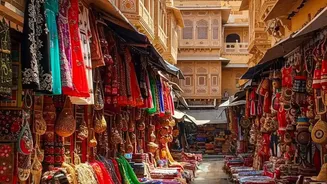
To ensure that tourism revenue stays within the community, it's crucial to move beyond a model where locals are simply employees in foreign-owned hotel chains. Community-Based Tourism (CBT) offers a powerful alternative. This approach empowers residents to own and manage tourism activities themselves. In places like Kerala, CBT initiatives have enabled locals to offer homestays, act as guides for cultural and nature tours, and run farm-to-table dining experiences. This model not only provides more meaningful and higher-skilled employment but also gives travellers a more authentic experience. When visitors buy handmade crafts directly from artisans, eat at family-run restaurants, and stay in locally-owned guesthouses, their spending directly supports the local economy and helps preserve cultural traditions.
The Shift to Regenerative Tourism
A growing movement is pushing beyond just 'sustainable' tourism, which aims to do no harm, towards 'regenerative' tourism, which aims to actively improve a place. The idea is simple: leave a destination better than you found it. This approach sees visitors as active participants in the well-being of the community and its environment. Regenerative travel can involve tourists participating in reforestation projects, contributing to wildlife conservation efforts, or taking part in workshops that help preserve local heritage. For communities, this means tourism becomes a tool for ecological restoration and cultural revival. For travellers, it offers a more profound connection to the places they visit, transforming a simple vacation into a meaningful contribution.
A Conscious Choice for Travellers and Hosts
Ultimately, creating a tourism industry that works for everyone requires a conscious effort from all sides. For governments and planners, it means implementing thoughtful policies that prioritise residents' needs. For the tourism industry, it means focusing on models like Community-Based Tourism that empower locals. And for travellers, it means making informed choices. By seeking out locally owned businesses, respecting cultural norms, and choosing experiences that give back, tourists can become allies to the communities they visit. Supporting local guides, artisans, and small businesses ensures that your travel spending makes a positive impact, fostering an industry that enriches both the visitor and the host.