




The Power of a Pretty Plate
Recent studies in consumer psychology have zeroed in on how a food’s appearance shapes our perception of its healthiness. The key finding is that we subconsciously associate 'pretty' food with being better for us. Specifically, food arranged with classical
aesthetic principles—think symmetry, order, and balance—is consistently judged as more nutritious than the exact same food presented in a disorganised way. Researchers found that people rated orderly food as having more nutrients and less fat, even when they knew the ingredients were identical. This bias is so strong that it persists across all types of food, from unhealthy snacks to already healthy meals.
The Naturalness Connection
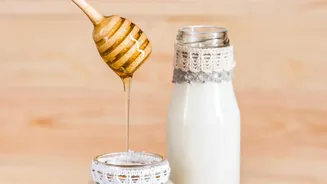
So, why does a neat arrangement trick our brains into thinking 'healthy'? The answer lies in a powerful mental shortcut: our deep-seated belief that 'natural' equals 'healthy'. Classical aesthetics, with their emphasis on order and balance, mirror patterns commonly found in nature, such as the symmetry of a flower or the structure of a honeycomb. When we see food presented in a similarly orderly fashion, our brain perceives it as more natural. This perception of naturalness then triggers the assumption that the food is also more wholesome and nutritious. The effect is purely visual; it has nothing to do with the actual ingredients.
Effort, Care, and the Halo Effect
Another psychological principle at play is the inference of effort. A beautifully plated meal doesn't just happen; it requires time, care, and intention. We subconsciously believe that a person who puts that much effort into the food's appearance must have also been careful about its quality and nutritional value. This is a classic example of the 'halo effect', where a positive trait (in this case, beautiful presentation) makes us assume other positive traits (like being healthy and fresh). The care put into the visual arrangement creates a halo of perceived quality that extends to the entire meal, making it seem better for us before we even take a bite.
Not All Beauty Is Created Equal
Interestingly, not just any kind of beauty will trigger this health halo. The research makes a distinction between 'classical aesthetics' (order, balance) and 'expressive aesthetics' (abstract, chaotic). While a dish with a creative, abstract swirl of sauce might be considered beautiful in an artistic sense, it doesn't receive the same healthiness boost. This is because expressive beauty doesn't tap into our brain's 'naturalness' shortcut. Only the orderly, systematic patterns that mimic nature convince our subconscious mind that what we're about to eat is good for our bodies. A messy plate, no matter how artistically intended, simply doesn't send the same wholesome signals.
What This Means For Your Meals
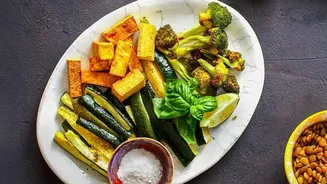
Understanding this psychological quirk can change how you approach your own meals. It's not about fooling yourself into thinking a decorated cake is a health food. Instead, it’s about making genuinely healthy food more appealing. If you’re trying to eat more vegetables or lean proteins, taking an extra minute to arrange them thoughtfully on your plate can make the meal significantly more satisfying. This simple act of plating with intention can transform a routine meal into a more enjoyable experience, reinforcing positive eating habits. The aestic appeal makes the healthy choice also the more desirable one, which is a powerful tool for long-term dietary success.