





Why Flexibility Matters
Before comparing these two disciplines, it’s worth remembering why flexibility is so crucial. Good flexibility helps maintain a healthy range of motion in your joints, reduces the risk of injury, and can alleviate aches and pains. As we age, muscles tend
to tighten and our range of motion can decrease, making activities that promote suppleness more important than ever. Both Tai Chi and kayaking are low-impact options, meaning they are gentle on the joints, making them accessible to a wide range of fitness levels and ages.
Tai Chi: The Art of Gentle Movement
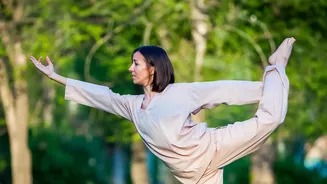
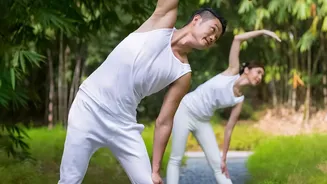
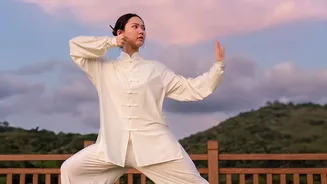
Often described as 'meditation in motion', Tai Chi involves slow, flowing, and deliberate movements paired with deep breathing. This practice is renowned for its ability to improve flexibility across the entire body in a holistic manner. Unlike static stretching, where you hold a position, Tai Chi uses dynamic stretching; its movements take your joints and muscles through their full range of motion gently and continuously. Poses like 'White Crane Spreads Its Wings' open the chest and shoulders, while deep stances work on hip flexibility. This process not only lengthens muscles but also improves posture, releases chronic tension, and enhances body awareness, helping to prevent future stiffness. Research has consistently shown that regular practice significantly improves flexibility in the hips, spine, and shoulders.
Kayaking: Dynamic Upper Body and Core Mobility
Kayaking, on the other hand, offers a different kind of flexibility benefit. The power in kayaking comes not just from the arms, but from the rotation of the torso. Each paddle stroke is a repetitive, rotational movement that engages the core, back, and shoulders. This action is excellent for building functional flexibility and mobility, particularly in the upper body and spine. Regular kayaking can lead to an increased range of motion in the shoulders and a more supple torso, which enhances posture and can reduce stiffness in the back. While it is a full-body workout, its most direct flexibility gains are concentrated in the areas actively used for paddling, making it more targeted than the whole-body approach of Tai Chi.
Comparing the Flexibility Gains
So, which is better? The answer depends entirely on your goals. Tai Chi provides a comprehensive, full-body approach to flexibility. Its gentle, continuous movements are designed to lubricate every joint and lengthen muscles from head to toe, making it ideal for anyone seeking overall suppleness and tension release. Kayaking provides more specific, functional flexibility. The gains are most pronounced in the core and upper body, areas crucial for the sport itself but also beneficial for general posture and mobility. If your primary goal is to unlock full-body range of motion and relieve general stiffness, Tai Chi may have the edge. If you're seeking an adventurous workout that builds strength while also improving flexibility in your torso and shoulders, kayaking is an outstanding choice.
Beyond Flexibility: Lifestyle and Mindset
Your choice might also come down to lifestyle and personality. Tai Chi is a mindful, meditative practice that can be done almost anywhere with no equipment. It’s known to reduce stress and improve mental clarity, making it a mind-body discipline. Kayaking is an adventure. It connects you with nature, offers a significant cardiovascular workout, and can be a social activity. It challenges your balance and coordination in a dynamic environment. Someone seeking tranquility and inner focus may gravitate toward Tai Chi, while an adventurer who loves the outdoors might prefer the physical and mental stimulation of kayaking.