






The Science of a Dance-Floor Workout
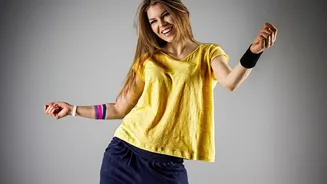
It might feel like a party, but your body is hard at work during a dance session. Continuous, rhythmic movement elevates your heart rate and breathing, the two core components of any effective cardiovascular exercise. Research shows that many forms of dance fitness
can match the cardio intensity of running, swimming, or cycling. High-energy styles that involve constant changes in direction, fast footwork, and full-body movement effectively mimic interval training. Unlike the repetitive, linear motion of a treadmill, dancing engages multiple muscle groups at once—including your core and stabiliser muscles—for a more holistic workout. Studies have found that moderate-intensity dancing is linked to a lower risk of cardiovascular death, with some benefits even exceeding those seen with walking.
More Than Just a High Heart Rate
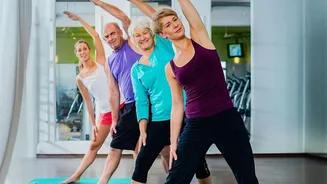
The benefits of dancing extend far beyond simply burning calories. Regular dance workouts strengthen your heart muscle, improve blood circulation, and can help lower blood pressure. It's also an effective way to manage cholesterol levels, helping to increase the 'good' HDL cholesterol while lowering the 'bad' LDL cholesterol that can contribute to artery plaque. Beyond the heart, dancing offers a wealth of other advantages. It improves balance, coordination, and flexibility, which are crucial for everyday functional fitness and reducing the risk of injury. The movements in dance are also typically lower-impact on the joints compared to running, making it a sustainable option for many people.
A Boost for Your Brain and Mood
One of the most significant advantages of dance is its impact on mental well-being. The combination of physical activity, music, and social connection is a powerful mood booster. Dancing releases endorphins, the body's natural feel-good chemicals, which can reduce stress and anxiety. But it's also a workout for your brain. Learning choreography, remembering steps, and moving in time to music challenges your cognitive functions, including memory and coordination. This mental engagement is why regular dancing has been linked to long-term cognitive health and may even reduce the risk of dementia. The sheer enjoyment factor is perhaps its greatest strength; the best workout is the one you actually stick with, and dance's fun-factor gives it a major advantage over more monotonous gym routines.
Finding a Style That Moves You
The world of dance fitness is vast and varied, offering something for every taste and fitness level. You don't need any prior experience to get started. For those looking for a high-energy party atmosphere, Zumba combines Latin and international music with easy-to-follow moves. For a taste of home, BollyX and Bhangra-based workouts offer an upbeat session that blends traditional Indian dance with modern fitness. Other popular options include hip-hop classes for a focus on rhythm and swag, and barre workouts, which fuse ballet-inspired movements with Pilates and cardio for a low-impact, toning session. The key is to explore and find a style that you genuinely enjoy.
How to Get Started
Jumping into dance fitness has never been easier. Thousands of free and subscription-based classes are available online, allowing you to get started in the comfort of your own home. All you need is a little bit of space, comfortable clothing, and supportive shoes. The most important thing is to listen to your body. You don't need to be a 'good' dancer to reap the benefits; as long as you are moving and raising your heart rate, you're doing it right. Start with a beginner class to learn the basic movements and remember to always warm up before you begin and cool down afterward. Focus on having fun and letting the music guide you, and you'll get a fantastic workout without once feeling like it's a chore.