

The Power of the Raw Root
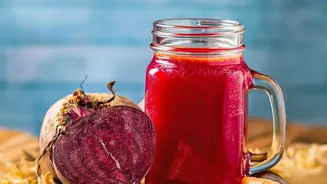
Raw beetroot is a treasure trove of nutrients. It's an excellent source of dietary fibre, which is crucial for digestive health. Beyond fibre, beets are loaded with essential vitamins and minerals, including folate (vitamin B9) for cell growth, manganese,
potassium for blood pressure regulation, and vitamin C. They are also rich in powerful plant compounds called betalains, which are responsible for their deep red colour and have potent antioxidant and anti-inflammatory properties. The nitrates found naturally in beetroot are another key benefit, known to improve blood flow and support heart health.
The Cooking Transformation
The great news for those who prefer their beets tender is that cooking doesn't ruin them. The headline holds true: while the texture softens significantly, the fibre content remains largely intact. This is because fibre is a hardy carbohydrate that isn't easily broken down by heat. So, whether you eat them raw and crunchy or soft and roasted, you’re still getting that excellent digestive support. However, cooking is not a neutral process, and other nutrients are more sensitive to the heat.
What About Other Nutrients?
This is where the cooking method really starts to matter. Heat-sensitive and water-soluble nutrients are the most vulnerable. Vitamin C and folate, for instance, can degrade with prolonged cooking. When beets are boiled, these nutrients can leach out into the cooking water. The vibrant betalain pigments are also heat-sensitive and can be partially destroyed by long cooking times, which reduces some of their antioxidant capacity. On the other hand, cooking can have some advantages; it breaks down compounds called oxalates, which can make beets easier to digest for some people and reduces kidney stone risk for those who are susceptible.
The Best Way to Cook Your Beets
To get the most nutritional bang for your buck, the cooking method you choose is key. Boiling, especially for long periods, tends to cause the most significant nutrient loss as vitamins and minerals escape into the water. If you must boil, it's recommended to keep cook times short, use minimal water, and even keep the skin on to help lock in nutrients. Steaming and roasting are considered superior methods for nutrient retention. Steaming for 15 minutes or less is a fantastic option, as it cooks the beet without submerging it in water. Roasting also does a great job of preserving nutrients and has the added benefit of concentrating the beets' natural sugars, making them intensely flavourful. When roasting, keep the skins on and wrap them in foil to trap the steam and goodness inside.
Simple Tips for Maximum Benefits
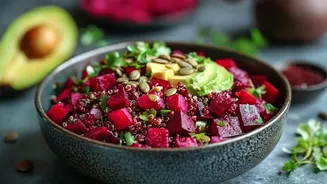
To maximise the health benefits of beetroot, start with how you prepare it. When possible, cook beets whole with the skin on. Much like with a potato, the skin acts as a protective barrier, helping to keep nutrients from escaping. Once cooked and cooled, the skin can be easily rubbed off. Avoid peeling them before cooking, as any nicks or cuts can cause the colourful, nutrient-rich juices to 'bleed' out. Whether you choose to grate them raw into a salad, steam them for a side dish, or roast them for a hearty meal, incorporating this versatile vegetable into your diet is a decision your body will thank you for.