







After years of complex negotiations, India and the United States appear to be on the verge of a significant bilateral trade agreement. Recent statements from top officials suggest a deal is close, but what does 'close' really mean?
The Current State of Play
As of late October 2026,
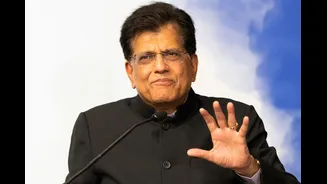
both Indian and American officials have expressed strong optimism about concluding a trade pact. On October 26, Indian Commerce and Industry Minister Piyush Goyal stated that most discussions have been concluded and the two sides are now 'fine-tuning the agreement'. This follows a series of high-level talks, including a meeting between Goyal and US Trade Representative Jamieson Greer in early October and a visit by an Indian delegation to Washington from October 15-17. Adding to the positive momentum, US Secretary of State Marco Rubio, during a visit to Mumbai on October 20, remarked that the deal was 'very, very close', with only a small number of issues left to resolve. US President Donald Trump echoed this sentiment, stating they are 'pretty close' to what he called 'a much different kind of a deal'.
The Long Road to 'Fine-Tuning'
These negotiations have been underway since early 2025, aiming to resolve long-standing trade disputes and boost two-way commerce, which covers a wide array of goods from pharmaceuticals and electronics to agricultural products. A major step forward occurred in February 2026 when the two countries announced a framework for an interim agreement. Under this framework, the US planned to lower tariffs on many Indian goods, while India agreed to reduce or eliminate duties on various American industrial and agricultural products. However, the path was complicated by subsequent changes in the US tariff structure, including a Supreme Court ruling that affected the legal basis for some proposed tariffs, necessitating further negotiations to get the deal back on track.
What Are the Sticking Points?
While officials are publicly positive, several complex issues have traditionally been part of the negotiations. These include tariffs and market access for specific goods. For the US, key concerns often involve high Indian tariffs, market access for its agricultural products like dairy, and medical devices, as well as policies related to digital trade and intellectual property. For India, a primary goal is securing a competitive advantage for its exporters in the crucial US market, seeking relief from American tariffs on products like steel and aluminium, and ensuring its interests in sectors like generic pharmaceuticals are protected. The broader geopolitical context, including discussions around energy security and building resilient supply chains, has also become intertwined with the trade talks.
So, When Is a Final Agreement Likely?
Despite the optimistic language, a definitive timeline remains elusive. Minister Goyal noted that any agreement would only take effect when India is assured a competitive edge over other countries. US officials have also linked the timing to the settlement of America's overall tariff structure. Secretary of State Rubio suggested an agreement could be a matter of 'weeks, not months', but also stressed the need for precision before any official announcement. The current phase of 'fine_tuning' and 'legal drafting' indicates that while the major political hurdles may have been cleared, the technical and legal details are now being meticulously worked out. This final stage is critical to ensure the agreement is enforceable and delivers the intended benefits to both nations.