




The Platelet Panic Explained
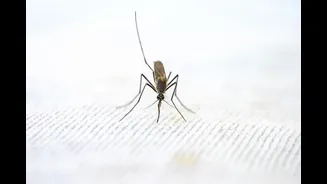
Dengue fever, a viral infection transmitted by Aedes mosquitoes, often causes a sharp drop in platelet count, a condition known as thrombocytopenia. Platelets are tiny blood cells essential for clotting. When their numbers fall too low, it can lead to dangerous
complications like Dengue Haemorrhagic Fever (DHF) or Dengue Shock Syndrome (DSS), which can involve bleeding gums, nosebleeds, or even internal bleeding. This risk is the primary driver of the anxiety surrounding platelet counts, sending patients and their families searching for any solution that might help, with papaya leaf juice being one of the most common go-to remedies.
The Claim: A Miraculous Cure?
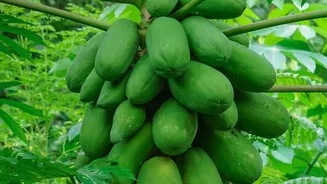
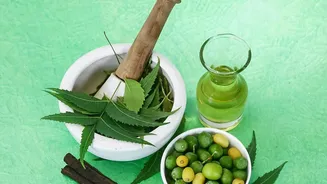
The traditional belief is that consuming fresh juice made from crushed papaya leaves can halt and even reverse the decline in platelets. Proponents claim it's a natural, accessible, and effective way to support the body's recovery. The remedy is so ingrained in public consciousness that for many, preparing the bitter green juice is an automatic response to a dengue diagnosis. Typically, a small amount of the extract, often around 25-30ml, is administered two to three times a day. The hope is that this will quickly stabilise platelet levels and prevent the need for hospitalisation or platelet transfusions.
The Science: What Do Studies Show?
The scientific community has taken notice of this widespread practice, leading to numerous studies. The results are complex but encouraging. Several randomised controlled trials and reviews have found that patients given papaya leaf extract (in juice or capsule form) showed a significantly faster rate of increase in platelet counts compared to those who received only standard care. Some research suggests the extract contains compounds like flavonoids and alkaloids that may stimulate the genes responsible for platelet production, such as ALOX 12 and PTAFR. However, it's crucial to note that the evidence is not yet definitive. While studies show a correlation with rising platelet counts, they haven't conclusively proven that the extract prevents severe outcomes like bleeding or death. Therefore, it is not considered a cure for dengue itself.
The Doctor's Prescription: Caution and Care
Most medical professionals urge caution. While they acknowledge the potential benefits seen in some studies, their primary concern is that over-reliance on home remedies can delay crucial medical care. Doctors stress that the cornerstone of dengue management is hydration, rest, and careful monitoring of warning signs by a healthcare professional. They warn against fixating solely on the platelet number, as serious complications can arise even when counts seem stable. Symptoms like severe abdominal pain, persistent vomiting, or any signs of bleeding require immediate medical attention, regardless of whether a patient is taking papaya leaf juice. The consensus among doctors is that papaya leaf extract should, at best, be considered a supplementary aid, not a replacement for standard medical treatment.
The Hidden Risks of the Home Remedy
While papaya leaf extract is generally considered safe for short-term use with no major adverse effects reported in trials, there are risks to consider. The raw, unprocessed juice can cause stomach irritation, nausea, and vomiting, which can worsen dehydration—a key concern in dengue. Since herbal preparations are often unregulated, the concentration of active compounds can vary wildly, making consistent and safe dosing difficult. However, the single biggest danger remains the false sense of security it can provide. Patients who trust the juice to be a cure might delay seeking hospital care, ignoring warning signs until their condition becomes critical. This delay, not the juice itself, is what can lead to the most severe consequences.