





Decoding FSSAI's Red Warning Signal
The Food Safety and Standards Authority of India (FSSAI) has put forward a proposal for a new Front-of-Pack Labelling (FOPL) system. After significant delays and a nudge from the Supreme Court, the regulator has suggested a mandatory warning label for packaged
foods that are high in unhealthy nutrients. The proposed label is a bright red, hexagonal symbol, much like a stop sign, designed to be instantly noticeable. Inside this hexagon, consumers will see clear and simple text such as “HIGH SUGAR,” “HIGH FAT,” or “HIGH SALT”. The goal is simple: to provide an easy-to-understand, upfront warning about products containing excessive amounts of sugar, salt, and saturated fat, which are linked to rising rates of obesity and non-communicable diseases in India.
How Does a Food Get a Red Label?
A product won't receive this label arbitrarily. The decision will be based on scientific thresholds laid out in the Dietary Guidelines for Indians, 2024, which were developed by the ICMR-National Institute of Nutrition. FSSAI's plan is to roll this out in two phases to allow the industry time to adapt and potentially reformulate their products. In the first phase, a red label will be required if a food product exceeds the limits for two or more of the concerning nutrients: salt, sugar, or saturated fat. All specified sweetened beverages will also be included in this initial phase. In the second phase, the rule will become stricter, applying to any product that is high in even a single one of these ingredients. This phased approach aims to balance public health needs with industry readiness.
Which Foods Are on the Watchlist?
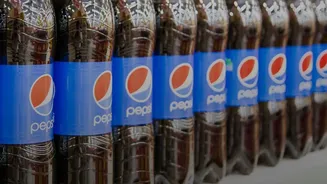
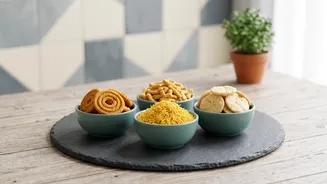
While the FSSAI hasn't published a definitive list of brands, the criteria point towards a wide array of popular processed foods. Essentially, any multi-ingredient packaged product with high levels of added sugar, salt, or fat is a candidate. This includes many common items in the Indian shopping cart: salty snacks like potato chips, bhujia, and other namkeens; instant noodles and soups; sugary breakfast cereals; and biscuits and cookies. Confectionery items such as chocolates and packaged sweets will also be under scrutiny. Furthermore, the proposal includes a specific warning for “HIGHLY SWEETENED BEVERAGE,” targeting sodas, fruit-flavoured drinks, and other sugary beverages. Ready-to-eat meals and frozen snacks are also likely to be affected if their nutritional profile crosses the defined limits.
The Journey from Stars to Warnings
The move to a direct warning label marks a significant shift in FSSAI's stance. For years, the debate over FOPL in India was centred on two competing ideas: simple warning labels versus a Health Star Rating (HSR) system. The HSR model, similar to what is used for energy efficiency on appliances, would have rated foods on a scale of stars, with more stars indicating a healthier product. Food industry bodies generally favoured this approach. However, public health experts and consumer groups argued that a star system could be misleading, as unhealthy products might gain stars by adding minimal healthy ingredients. They advocated for warning labels, citing evidence from countries like Chile, where such labels led to a significant drop in the consumption of unhealthy drinks. The recent proposal to the Supreme Court shows that the argument for clear, unambiguous warnings has, for now, won out.
What This Means for You
For the average consumer, this change promises greater transparency and empowerment. Instead of needing to decipher complex nutritional tables on the back of a package, a simple red symbol on the front will offer an at-a-glance health assessment. This is especially beneficial for making quick, informed decisions while shopping for your family. However, it is important to note that some products will be exempt. Single-ingredient items and foods that are naturally high in these nutrients, such as pure ghee, edible oils, honey, sugar, and jaggery, will not carry the warning label. Ultimately, the proposal is not just about flagging unhealthy foods; it's about encouraging healthier choices and motivating manufacturers to create better products for the Indian market.