

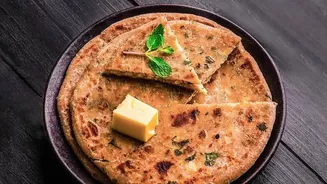
The Foundation of a Perfect Paratha
Before we even think about fillings, the secret to a great stuffed paratha lies in the dough and the rolling technique. The goal is a soft, pliable dough that won't tear. To achieve this, use lukewarm water for kneading and add a spoonful of oil or ghee.
Knead for at least 10-15 minutes until the dough is smooth and elastic. Crucially, let the dough rest for a minimum of 20-30 minutes, covered with a damp cloth. This rest period allows the gluten to relax, making the dough more flexible and less prone to tearing when you roll it. When it comes to rolling, always be gentle. Apply even, light pressure and rotate the paratha frequently. Rolling too aggressively is a common cause of the filling bursting out.
Mastering the Classics: Potato, Gobi, and Paneer
Aloo, gobi, and paneer are the undisputed kings of stuffed parathas. For the perfect aloo paratha, the key is a dry filling. Boil potatoes until just fork-tender, not mushy, and let them cool completely before mashing or grating. Wet potatoes are the primary cause of soggy, difficult-to-handle filling. For gobi (cauliflower) and mooli (radish) parathas, moisture is also the enemy. Grate the vegetables, sprinkle with salt to draw out water, and then squeeze out all the excess liquid before mixing with spices. When using paneer, crumble it well and ensure your spice mix is not too wet. Some cooks add finely chopped onions, but be aware that they can also release moisture.
Protein-Packed Fillings: Sattu and Dal
For a more substantial and nutritious breakfast, turn to lentils and roasted gram flour. Sattu paratha, a staple from Bihar, is a fantastic option. The filling is made from sattu (roasted gram flour) mixed with finely chopped onion, ginger, garlic, green chillies, and often a bit of tangy pickle masala. A little water or mustard oil is added to help the dry mixture bind together. Another brilliant idea is to use leftover dal. Instead of stuffing the paratha, you can knead thick, leftover dal directly into the wheat flour along with spices to create a flavourful and soft dough. This not only prevents food waste but also results in an incredibly wholesome and easy-to-make paratha.
Getting Creative: Beyond the Usual Suspects
Once you've mastered the basics, the world of stuffed parathas is your oyster. For a delicious and kid-friendly option, try a filling of sweet corn and spinach, perhaps with a little cheese to bind it. Mushroom and garlic butter offers a deep, savoury flavour profile that feels modern and indulgent. You can also make parathas with mixed vegetables, using a combination of boiled and mashed carrots, peas, and beans. For a truly unique twist, some even make sweet parathas. Fillings like grated coconut and jaggery, or even a simple sprinkle of sugar (cheeni ka paratha), can transform the flatbread into a delightful dessert-like treat.
Troubleshooting Common Problems
The most common frustration is the paratha tearing while rolling. This usually happens for two reasons: the filling is too wet or you've overstuffed it. Always ensure vegetable fillings are as dry as possible. Don't be too generous with the stuffing, especially when you're starting out; the size of your filling ball should be roughly the same as your dough ball. Another helpful tip is to let the stuffed dough balls rest for a few minutes before rolling. This allows the dough to stretch more easily around the filling. When sealing, pinch off the excess dough at the top instead of flattening it back into the ball, which can create a tough, doughy centre.