
The Star: Drumstick (Moringa Oleifera)
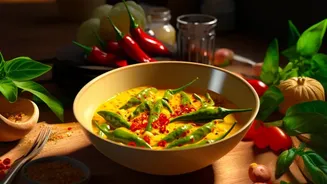
The heart of the soup is the drumstick, the long, slender pod from the Moringa oleifera tree. Often called a 'miracle tree', nearly all its parts are used for nutritional and medicinal purposes. The pods themselves, when cooked, become tender and release
a mildly sweet, unique flavour into the broth. The inner pulp is the real prize, scraped out with a spoon or your teeth. Beyond its taste, the drumstick is packed with nutrients. It is a rich source of Vitamin C, Vitamin A, calcium, potassium, and iron. It also contains powerful antioxidant and anti-inflammatory compounds like quercetin and chlorogenic acid. Traditional medicine and modern studies suggest moringa can help in managing blood sugar levels, protecting cardiovascular health, and boosting immunity.
The Foundation: Toor Dal
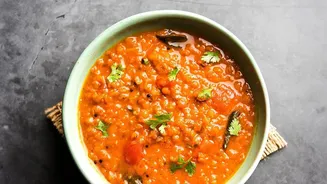
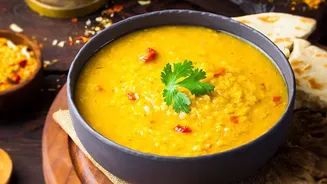
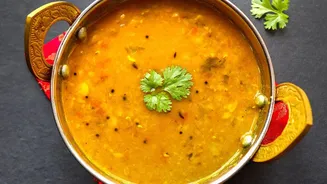
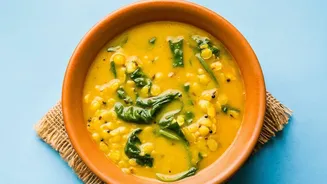
No dal soup is complete without dal, and the most common choice for this recipe is toor dal (split pigeon peas). Toor dal provides the creamy, thick base and a subtle nutty flavour that grounds the entire dish. It's a cornerstone of Indian vegetarian cuisine for good reason: it is an excellent source of plant-based protein and dietary fibre. A single serving can provide a significant portion of your daily protein needs. The high fibre content aids in digestion and promotes a feeling of fullness, which can be beneficial for weight management. Furthermore, toor dal has a low glycemic index, meaning it helps in the slow release of sugar into the bloodstream, making it a favourable choice for those managing blood sugar levels. When paired with rice, it forms a complete protein, providing all the essential amino acids.
The Tang: Tamarind's Zesty Kick
The characteristic sour note that brightens Drumstick Dal Soup comes from tamarind. This fruit, also known as the 'Indian date', provides a tangy counterpoint to the earthy dal and sweet drumstick. Its pulp is typically soaked in water to create a sour extract that is added to the soup. This tang is crucial for balancing the flavours and making the soup moreish. Tamarind also brings its own health benefits to the bowl. It's a good source of antioxidants and has anti-inflammatory properties. It is rich in minerals like potassium, which supports healthy blood pressure, and iron, which is vital for preventing anemia. Its dietary fibre can also help promote good digestion.
The Soul: A Symphony of Spices
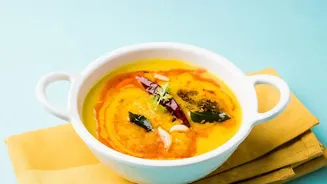
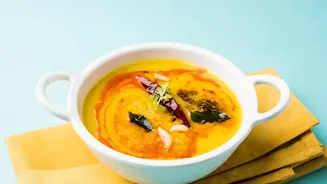
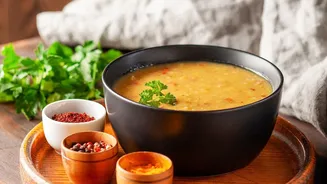
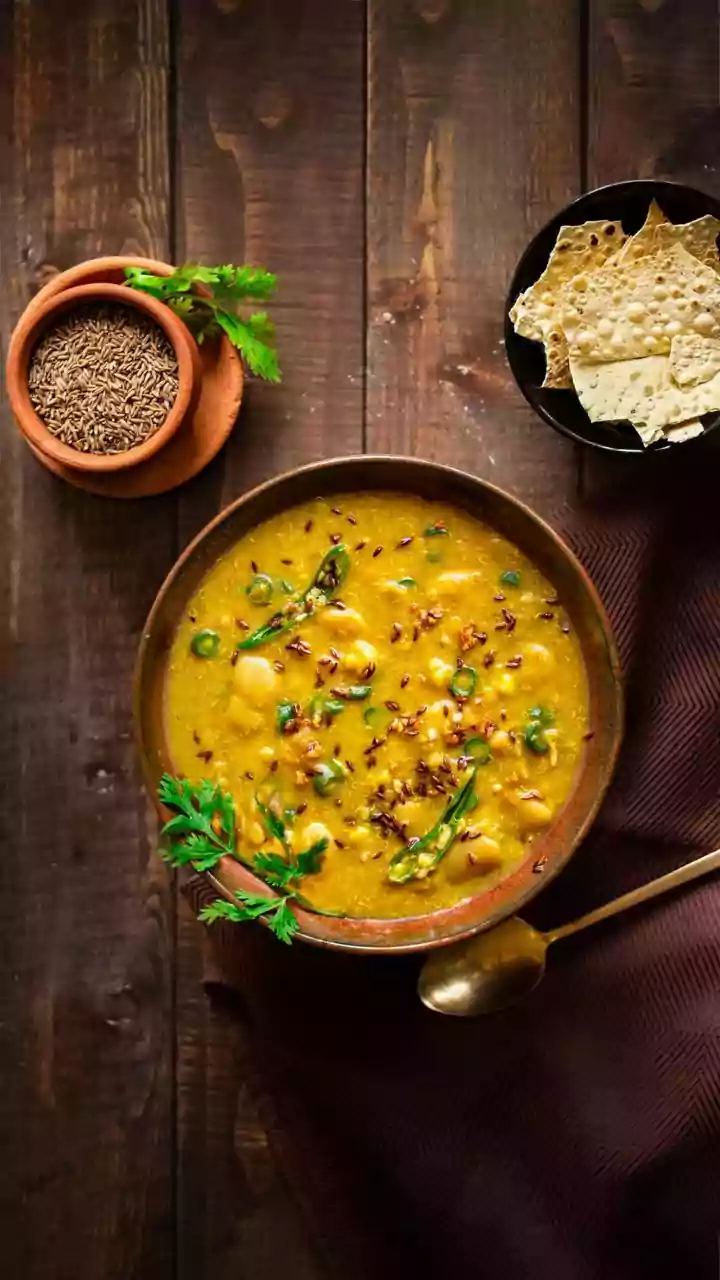
The final layer of flavour comes from the 'tadka' or tempering, a technique where whole and ground spices are bloomed in hot oil or ghee to release their aromatic essential oils. This fragrant mixture is often poured over the soup at the end of the cooking process. A typical tadka for this soup includes mustard seeds, cumin seeds, curry leaves, and a pinch of asafoetida (hing). Mustard seeds pop and release a pungent warmth, cumin adds an earthy depth, and curry leaves provide an unmistakable, slightly citrusy aroma. Asafoetida, used sparingly, gives a savoury, onion-garlic like flavour and is also known to aid digestion. This blend of spices is what gives the soup its complex and inviting aroma, turning it from a simple lentil stew into a truly memorable dish.