





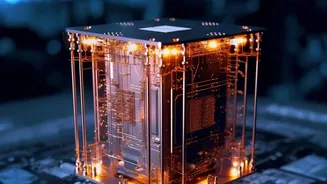

The AI Power Drain
The engine of the AI revolution isn't just code; it's raw computing power. Training and running complex AI models, especially the large language models behind generative AI, requires specialised hardware that consumes far more energy than traditional
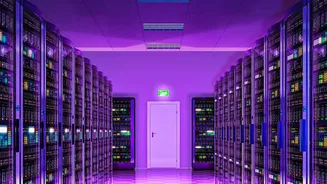
computing. An average server rack for cloud computing might draw 5 to 10 kilowatts (kW) of power, but a rack packed with the GPUs needed for AI can demand up to 120 kW or more. This isn't a minor increase; it's a fundamental shift in the energy profile of the digital world. Globally, data centre electricity use has been growing by 12% annually, and the proliferation of AI is set to accelerate that trend significantly.
India's Data Centre Boom Meets a New Reality
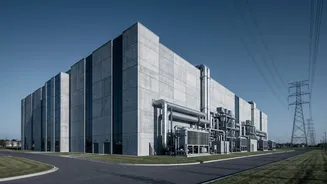
This energy challenge is arriving just as India's data centre market is hitting an explosive growth phase. Fuelled by data localisation policies and a massive digital consumer base, India's data centre capacity has quadrupled in the last six years and is projected to surge dramatically by 2030. Projections show capacity growing from around 1.4 GW in 2024 to nearly 10 GW by the end of the decade. While this growth is a sign of a maturing digital economy, the rise of AI means these new facilities will be far more power-intensive than their predecessors. The Ministry of Power now projects that data centres could demand over 26 GW of electricity by 2031-32, a figure that nearly doubles earlier estimates.
The High Cost of Keeping Cool
All that electricity generates an enormous amount of heat, which brings another critical issue to the forefront: cooling. In traditional data centres, cooling systems can account for a huge portion of total energy use. As rack densities increase with AI hardware, air cooling becomes inefficient, pushing the industry towards advanced solutions. However, many cooling methods are also incredibly water-intensive. A single 100 MW data centre can consume about 2 million litres of water per day through conventional evaporative cooling. In a water-stressed country like India, this presents a major environmental and social challenge, especially as many data centre hubs are in areas already facing water scarcity.
A Greener Digital Future
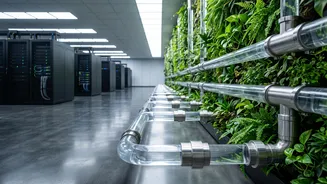
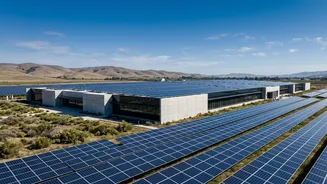
The challenge is immense, but so is the opportunity for innovation. To sustainably power its AI ambitions, India is being pushed to the forefront of green data centre design. A key solution is the shift to liquid cooling technologies. Direct-to-chip or immersion cooling systems are far more efficient for high-density AI servers and can dramatically reduce both the energy and water required for thermal management. Companies are increasingly adopting closed-loop systems that recirculate cooling fluids instead of evaporating water. Pairing these technologies with a robust push for renewable energy is critical. While solar power is abundant, its intermittency is a problem for data centres that require 99.999% uptime. This necessitates investment in energy storage solutions and a more diverse green energy portfolio to provide reliable, round-the-clock power.