




What Exactly Is a Molaga Bajji?
At its core, Molaga Bajji (or Milagai Bajji) is a deceptively simple creation. It features a specific type of large, light green chili, known as 'bajji milagai', which is milder than its smaller, spicier cousins. These chilies are slit, sometimes deseeded
to reduce the heat further, and then dipped into a thick, seasoned batter before being deep-fried to a perfect golden-brown. The batter is the soul of the dish, a flavourful mix of besan (gram flour), rice flour for extra crispness, and a blend of spices like turmeric, chili powder, and a pinch of asafoetida. The result is a magnificent contrast: a crunchy, savoury shell giving way to a soft, slightly piquant chili within. While it belongs to the broader family of Indian fritters known as 'bhajis' or 'pakoras', the use of the whole chili makes the Molaga Bajji a distinct and beloved speciality.
Breakfast Staple or Evening Indulgence?
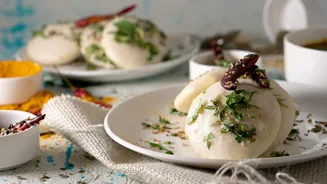
The headline dubs it a breakfast classic, and while it can certainly be part of a larger breakfast spread alongside idli or dosa, Molaga Bajji truly shines as an all-day star. For many, it's the quintessential evening snack, inextricably linked with the monsoon season. The romantic image of huddling in a tea stall, savouring a plate of hot, crispy bajjis while rain patters outside, is a cherished cultural experience across South India. It is a fixture at roadside stalls, office canteens, and train stations, offering a quick, comforting bite. Yet, its inclusion in a morning meal is not uncommon, especially as a special treat or during festivals, proving its versatility and universal appeal. Regardless of the time of day, it's a dish that promises and delivers pure comfort.
The Anatomy of the Perfect Bite
Achieving the perfect Molaga Bajji is an art form. The batter must have the right consistency—thick enough to coat the chili without being dense or heavy. Adding a small amount of rice flour or even corn flour is a common technique to ensure a light, shatteringly crisp exterior. The temperature of the oil is also critical; if it's too hot, the outside will burn before the chili inside is cooked, and if it's too cool, the bajji will absorb excess oil and become greasy. Some recipes call for a pinch of cooking soda to create an even lighter texture. For an extra layer of flavour, some cooks stuff the deseeded chilies with fillings like spiced potato mash, tangy tamarind paste, or a simple mix of chopped onions and spices before dipping them in batter. This transforms an already delicious snack into something truly extraordinary.
More Than a Snack, It's an Experience
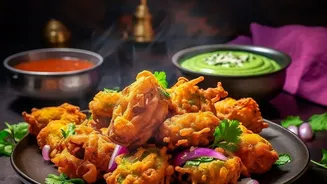
The cultural significance of Molaga Bajji goes far beyond its ingredients. It represents the vibrancy of Indian street food—fast, flavourful, and accessible to all. It’s a taste of nostalgia, reminding many of after-school treats or family gatherings during holidays. The experience is incomplete without the proper accompaniments. A simple, fresh coconut chutney is the most traditional pairing, its cool, creamy flavour providing a perfect counterbalance to the bajji's warmth and mild spice. Tomato or onion-based chutneys are also popular choices. Served hot off the fryer, often on a simple piece of paper or a banana leaf, eating Molaga Bajji is a sensory experience that connects people to a rich and delicious culinary heritage. It’s a simple pleasure that continues to be a non-negotiable part of the South Indian food landscape.