




The Origin Story: Natural vs. Refined
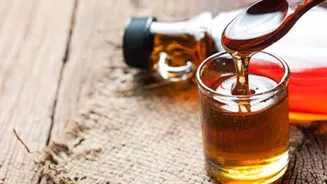
At its core, the comparison begins with how each sweetener is made. Pure maple syrup is a natural product derived directly from the sap of maple trees. This sap is collected and boiled to concentrate the liquid, a process that preserves many of its inherent
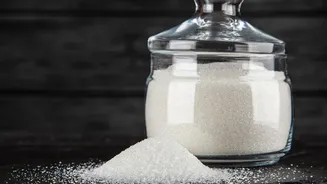
compounds. There are no additives or preservatives in 100% pure maple syrup. In contrast, white table sugar, typically from sugarcane or sugar beets, undergoes extensive processing and filtration. This refining process strips away the plant's natural vitamins and minerals, leaving behind almost pure sucrose crystals. This fundamental difference in production is the starting point for all the nutritional distinctions that follow.
A Look at the Numbers: Calories and Sugar
When you compare them spoon for spoon, the nutritional profiles of maple syrup and white sugar appear quite similar at first glance. A tablespoon of maple syrup contains about 52 calories and 12.1 grams of sugar, while a tablespoon of white sugar has roughly 49 calories and 12.6 grams of sugar. The calorie difference is minimal, meaning swapping one for the other won't drastically change your total energy intake. However, the composition of that sugar and what comes with it is where things get interesting. Both are ultimately treated as added sugars by the body, so moderation remains crucial regardless of which one you choose.
The Blood Sugar Question: Glycemic Index
One of the most significant arguments for maple syrup is its effect on blood sugar. This is measured by the glycemic index (GI), which ranks foods on how quickly they raise blood glucose levels. White sugar has a GI of around 65. Maple syrup, on the other hand, has a lower GI, typically around 54. This means maple syrup raises blood sugar levels more slowly than white sugar does. This slower, more sustained release of glucose is generally considered better, especially for individuals managing blood sugar levels. This advantage is partly due to the presence of other compounds in the syrup that can modestly slow down sugar absorption.
The Health Halo: Minerals and Antioxidants
Here is where maple syrup truly distinguishes itself. While refined white sugar is stripped of virtually all nutrients, pure maple syrup retains a surprising number of minerals and antioxidants from the maple sap. It is a notable source of manganese, which is vital for bone health and metabolism, and also contains zinc, potassium, and calcium. Furthermore, maple syrup contains dozens of different antioxidant compounds, including some that are unique to it, like Quebecol, which is formed during the boiling process. These antioxidants help fight cellular damage in the body. While you would need to consume a large amount to get a significant dose of these nutrients, it's a benefit that white sugar simply does not offer.
In the Kitchen: A Practical Swap?
Replacing sugar with maple syrup isn't always a straightforward one-to-one exchange, especially in baking. Because maple syrup is a liquid, substituting it for a dry crystal like sugar requires some adjustments. A general rule is to use about three-quarters of a cup of maple syrup for every cup of white sugar called for in a recipe. Since you're adding a liquid, you'll also need to reduce other liquids in the recipe (like milk or water) by about 3 to 4 tablespoons for every cup of syrup used. Maple syrup is also slightly acidic, so adding a pinch of baking soda can help ensure baked goods rise properly. Finally, because it caramelizes faster than sugar, it's wise to lower your oven temperature by about 15°C to prevent your creations from burning.