





The Story in Numbers
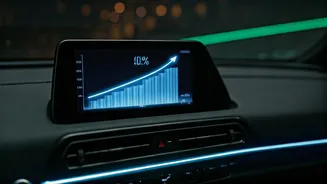
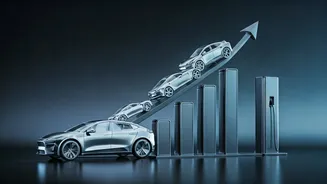
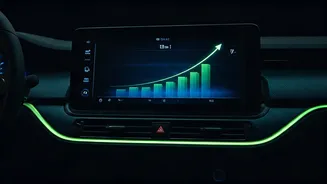
The data from the Vahan portal paints a clear picture of exponential growth. In May 2026, passenger electric vehicle registrations saw a staggering 80.7% year-on-year growth, with over 25,880 units registered compared to 14,323 in May 2025. This surge
indicates that the total EV sales for 2026 are on track to cross 300,000 units for the first time. In fact, the total number of EV registrations, including two- and three-wheelers, surpassed 2.5 million in the 2025-2026 financial year. While two-wheelers lead the volume, the passenger car segment is the fastest-growing, posting an 86% year-on-year increase. Brands like Tata Motors are leading the charge, becoming the first to cross 10,000 EV registrations in a single month.
A Widening Field of Choice
A few years ago, the choice for an EV buyer was limited. Today, the market is buzzing with new models catering to different price points. The number of electric passenger vehicle models in India has doubled to around 20 in the last two years and is projected to exceed 35 by the next financial year. This boom is led by homegrown players like Tata Motors, whose Punch EV became the country's best-selling electric car in May 2026, and Mahindra, which has seen a sharp surge in its EV sales. New entrants like Maruti Suzuki and VinFast are also quickly gaining ground, adding more competition and choice. This expanded portfolio, with many new launches focused on the sub-₹15 lakh segment, is making EVs more accessible to a wider audience.
The Government's Policy Push
The government has played a crucial role in nurturing this ecosystem. Schemes like FAME (Faster Adoption and Manufacturing of Electric Vehicles) have been instrumental. While FAME-II ended in March 2024, it paved the way for newer policies like the PM E-DRIVE scheme, which has an outlay of ₹10,900 crore to support EVs and charging infrastructure. Although there's discussion that future subsidies might not cover private cars, the initial push helped the market achieve critical mass. Now, the focus is shifting towards building a robust support system, with significant funds allocated for public charging stations. Setting up charging stations has also been de-licensed, encouraging private players to enter the market.
Charging Up the Nation
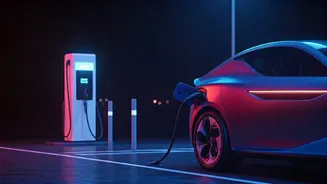
Perhaps the biggest barrier to EV adoption has been 'range anxiety'. This is now being systematically addressed. As of early 2026, India has over 27,000 public EV charging stations, a number that has grown rapidly. The network is expanding beyond metros, with over 91% of national highways now featuring a charger within every 50 km. While this is a significant improvement, challenges remain. The charger-to-EV ratio is still low compared to global benchmarks, and issues like charger downtime and a lack of standardisation persist. Furthermore, a recent study noted that nearly 45% of Indian households may require electrical upgrades to install a home charger safely, highlighting a key infrastructure gap.
The Roadblocks Ahead
Despite the impressive growth, the path to complete mainstream adoption isn't without hurdles. The high upfront cost of EVs, even with subsidies, remains a primary deterrent for many buyers in a price-sensitive market like India. While battery technology is improving, concerns about driving range and battery life still factor into the purchasing decision. And while the public charging network is growing, its reliability and accessibility in smaller towns and rural areas are still a work in progress. The journey from being a popular choice to the default choice will depend on overcoming these economic and infrastructural challenges.