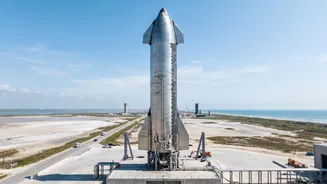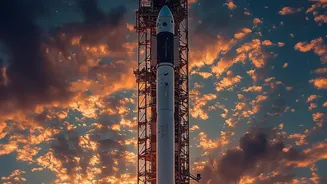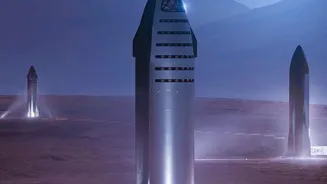


SpaceX’s latest Starship test flight was a tale of two rockets. While the upper stage made a historic return, the booster was lost, highlighting the immense challenge and high stakes of the company's quest for a fully reusable launch system.
A Weekend of Historic Firsts and Setbacks
On Friday,
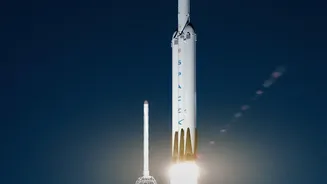
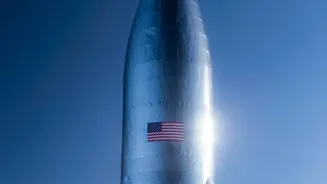
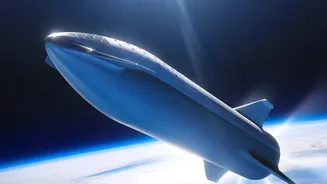
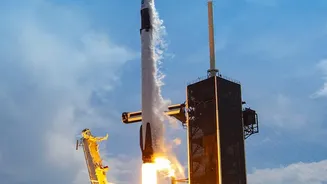
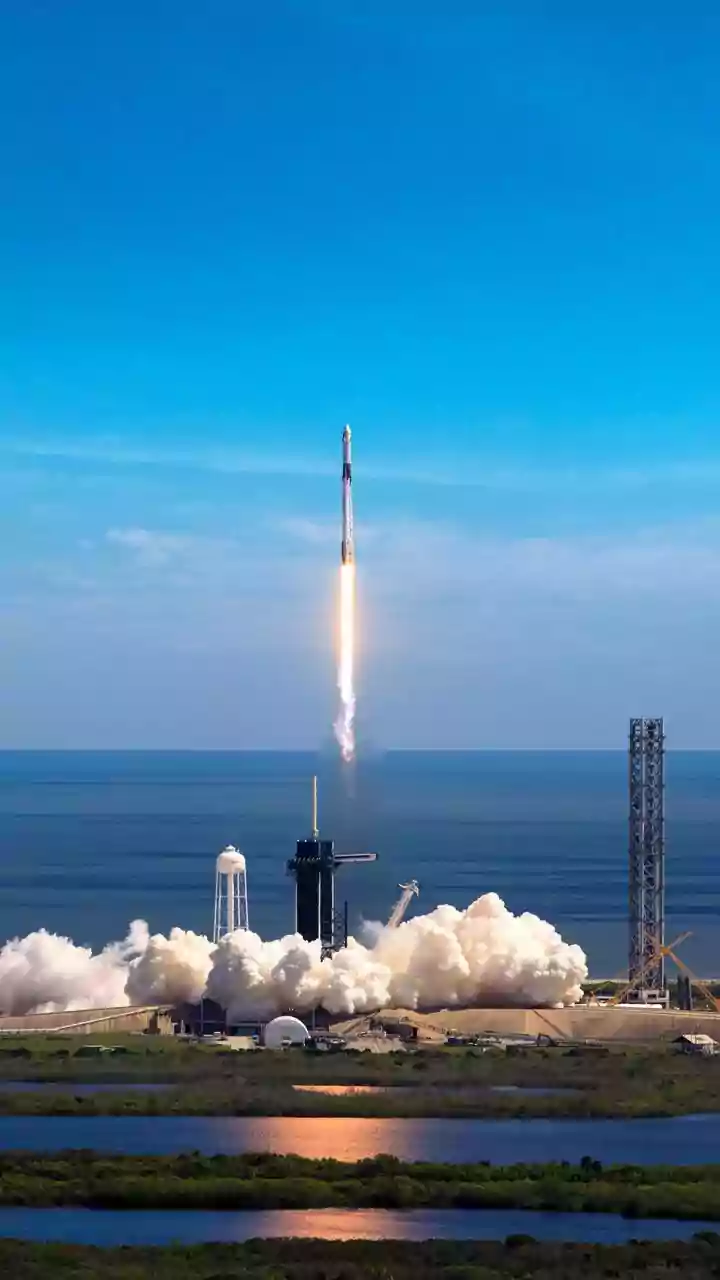
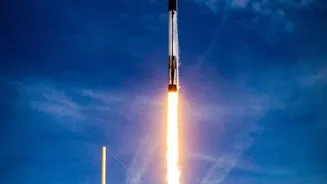
November 13, 2026, the world's most powerful rocket, Starship, lit up the Texas sky for its 15th test flight. The mission had a dual purpose: deploy another batch of Starlink internet satellites and, more critically, attempt to recover both the Super Heavy booster and the Starship upper stage. The outcome was a dramatic mix of triumph and disappointment. While the Super Heavy booster's recovery attempt was aborted, forcing it into a splashdown in the Gulf of Mexico, the Starship spacecraft itself completed a landmark achievement. After spending over 22 hours in orbit, it successfully returned to Earth and was caught by the launch tower's giant mechanical arms—a first in the history of rocketry.
The Billion-Dollar Bet on Reusability
For SpaceX, reusability isn't just an engineering novelty; it's the core of its business model and long-term vision. Traditional rockets are single-use, meaning their most expensive components are discarded after every launch—an approach akin to throwing away an airplane after one flight. By designing a system that can be rapidly reused, SpaceX aims to slash the cost of accessing space by a factor of 10 or more. This dramatic cost reduction is seen as the key to unlocking new commercial space activities, from massive satellite constellations to space tourism and, ultimately, enabling CEO Elon Musk's goal of building a city on Mars. Every successful recovery and reuse of hardware provides invaluable data and brings the company closer to making spaceflight as routine and economical as air travel.
The 'Chopsticks': A High-Stakes Mechanical Catch
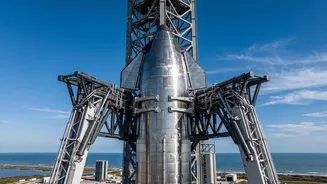
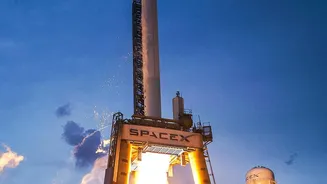
Central to SpaceX's recovery plan is a massive launch tower nicknamed 'Mechazilla', equipped with two giant, movable arms often called 'chopsticks'. Instead of using landing legs, which add weight and complexity, both the booster and the ship are designed to fly back to the launch site and be caught in mid-air by these arms. The maneuver requires incredible precision. The returning rocket must perform a series of complex burns to slow down and align itself perfectly with the tower. The successful catch of the Starship upper stage on Flight 15 proved the concept is viable for a vehicle returning from orbital velocity, a far greater challenge than catching the booster. However, the failure to recover the booster on the same flight shows that mastering this complex choreography every time remains a significant hurdle.
Why the Booster Recovery Failed
While the ship's recovery was celebrated, the loss of the Super Heavy booster was a notable setback. During its return flight, the booster's boostback burn, which is designed to propel it back towards the launch site, reportedly cut off early due to a low fuel reading. This triggered an automatic abort of the catch attempt, diverting the massive booster to a safe splashdown zone in the Gulf of Mexico. SpaceX is now investigating the root cause of the anomaly. This incident underscores the program's philosophy of iterative design and testing, where each flight—even with its failures—provides critical data to improve the next. While SpaceX has successfully caught boosters on previous flights, this was the first attempt with the newer V3 booster, highlighting that every new iteration requires fresh validation.
What's Next for Starship?
With the first-ever ship recovery accomplished, SpaceX has proven that the most difficult piece of its reusability puzzle is solvable. The next major milestone will be to successfully recover both the booster and the ship in a single mission—the 'double catch'. This would fully demonstrate the intended operational architecture of the Starship system. Engineers will now pour over the data from Flight 15 to understand the booster's malfunction and refine the systems for the next attempt. The program is not just testing whether Starship can fly, but whether it can operate like a commercial airline: with reliability, rapid turnaround, and predictable costs. The focus will now be on consistency, aiming to make the spectacular sight of a rocket being caught from the sky a routine part of spaceflight.