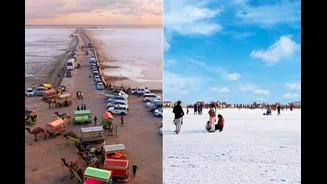









Imagine an endless white salt desert glowing under a full moon. From November to March, this otherworldly landscape in Gujarat hosts the Rann Utsav, a spectacular festival of culture, music, and, most importantly, incredible craftsmanship.
The White Desert's Cultural Heart
Rann Utsav is
a vibrant celebration held annually in the Great Rann of Kutch, a vast salt marsh in Gujarat. For the 2026-27 season, the festival runs from November 1, 2026, to March 7, 2027. A massive 'Tent City' is set up near the village of Dhordo, becoming the hub for tourists and cultural activities. While the stunning white desert is the main attraction, the festival's true soul lies in its celebration of Kutchi culture, offering visitors a deep dive into the region's rich artistic heritage through folk performances, local cuisine, and extensive craft displays. It’s a platform that provides local artisans a chance to showcase their generational skills to a national and international audience.
A Kaleidoscope of Kutchi Crafts
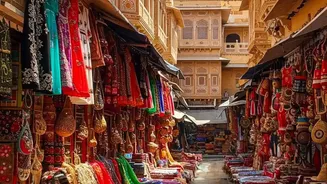
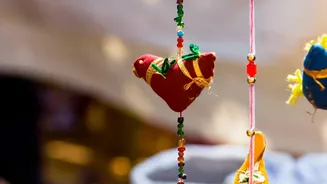
The handicraft markets at Rann Utsav are a sensory overload in the best possible way. They stand in colourful contrast to the stark white desert landscape. Here, you can find a stunning array of items that represent centuries of tradition. Kutch is world-renowned for its diverse embroidery styles, each unique to a specific community like the Rabari, Ahir, or Mutva. These intricate works, often embellished with tiny mirrors (shisha), adorn everything from wall hangings to clothing and bags. Another major textile art is Bandhani, a traditional tie-dye technique that came to Kutch from Sindh centuries ago. The Khatri community are masters of this craft, creating elaborate patterns on sarees and dupattas.
Beyond Textiles: Art, Metal, and Mud
While fabrics dominate, the artisan displays at Rann Utsav showcase a much wider range of skills. One of the rarest and most fascinating is Rogan art, a 400-year-old tradition of painting on cloth using a castor oil-based paste. Practiced by only one family in Nirona village, this art form gained global attention and is a prized souvenir. You will also find beautiful Lippan Kaam, or Mud and Mirror Work, a traditional mural art used to decorate the walls of local mud huts (bhungas). The festival also features sturdy leather goods, melodious copper-coated bells once used by cattle herders, and Ajrakh, a complex form of block-printing that uses natural dyes to create geometric patterns on fabric.
Meeting the Makers
The Rann Utsav is more than just a marketplace; it's an interactive experience. Many stalls feature live demonstrations, allowing visitors to watch artisans at work. You can see a weaver transforming thread into a colourful shawl on a pit loom, a potter shaping clay, or an artist demonstrating the delicate process of Rogan painting. This direct interaction is what makes the festival so special. It provides a deeper appreciation for the skill, patience, and history behind each piece. The festival offers a unique opportunity to buy directly from the creators, ensuring that the proceeds support these artisan communities and help preserve their invaluable cultural heritage.
Navigating the Artisan Experience
For visitors, the craft village within the Tent City is the main hub for shopping. However, for those with more time, the surrounding villages of Kutch offer an even deeper dive into the world of handicrafts. Villages like Bhujodi (for weaving), Ajrakhpur (for block printing), and Nirona (for Rogan art, lacquer work, and copper bells) are the epicentres of these crafts. A trip to these villages allows you to see the artisans in their own environment. When shopping, don't hesitate to ask about the process and the story behind the craft. While bargaining is common in many Indian markets, remember that these are handcrafted items that take immense time and skill to produce. Paying a fair price ensures these traditions continue to thrive.