




Nolan's Crucial Distinction
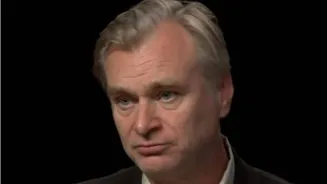
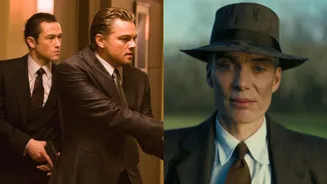
In recent remarks, Christopher Nolan, a filmmaker known for his commitment to practical effects and grand-scale storytelling, has articulated a clear line in the sand. He has dismissed the idea that AI will replace human creativity wholesale as "nonsense."
His argument isn't a blanket rejection of technology but a call to define its role. For Nolan, the conversation must differentiate between using AI for assistance—as a powerful tool to help artists realize their vision—and using it for replacement, where it supplants human authors and performers. This viewpoint provides a much-needed framework in an industry grappling with existential questions about the future of art and employment.
AI as a Tool, Not an Author
The "assistance" side of Nolan's argument is already a quiet reality in filmmaking. For years, AI and machine learning have been used in post-production to streamline tedious tasks. This includes advanced visual effects, like de-aging actors or removing wires from stunts, sound design, and color grading. These applications don't write the script or direct the actors; they are sophisticated instruments that help filmmakers achieve a desired look or sound more efficiently. Nolan himself, while an advocate for analog filmmaking, acknowledges that technology should be used for what it's best for, viewing these AI applications as an evolution of existing visual effects toolkits. In this context, AI is no different from the historical adoption of digital cameras or computer-generated imagery.
The Threat of Creative Replacement
The fear in Hollywood, and the core of the "replacement" argument, centers on generative AI. This is the technology that can create scripts, generate images, or even synthesize performances from scratch. This was a central issue in the 2023 strikes by the writers' and actors' guilds, who fought for protections against studios using AI to write scripts or to create digital replicas of actors without consent or proper compensation. Nolan has voiced his support for these protections, arguing that employers must not be allowed to use AI to "sidestep responsibility." The concern is that using AI as an author or performer devalues human creativity, leading to what many, including Nolan, refer to as soulless "AI slop" that audiences are already rejecting.
A Stance Forged in an Anxious Industry
Nolan's perspective resonates because it aligns with a broader sentiment among many creators and a discerning public. He has pointed out that while Wall Street and tech companies have embraced AI, younger audiences, in particular, have a strong disdain for inauthentic, machine-generated content. This push for authenticity is seen as a reaction against years of heavily virtual, effects-driven blockbusters. Other directors like Guillermo del Toro have expressed even stronger opposition to generative AI in art. However, some, like Martin Scorsese, have reportedly used AI for assistive tasks like storyboarding. This split highlights the nuance Nolan champions: the industry isn't facing a simple choice to accept or reject AI, but rather a complex series of decisions about how and where to integrate it ethically while preserving the human soul of cinema.