




Why Your Core Is Your First Line of Defence
Before diving into the exercises, it’s important to understand what your core is and why it matters so much. It isn't just about six-pack abs; your core includes muscles in your back, hips, pelvis, and abdomen. These muscles work together to stabilise
your spine and provide a solid foundation for all movement. For those leading a sedentary life, these muscles can become weak and disengaged. This forces other parts of your body, like your lower back, to compensate, leading to the aches and pains that are all too common for desk workers. Strengthening your core helps realign your posture, reduce strain on your spine, and build the functional strength needed for everyday life. Planks are uniquely effective because they engage multiple core muscles at once without putting undue pressure on your spine, unlike exercises like crunches.
The Foundation: Standard Forearm Plank
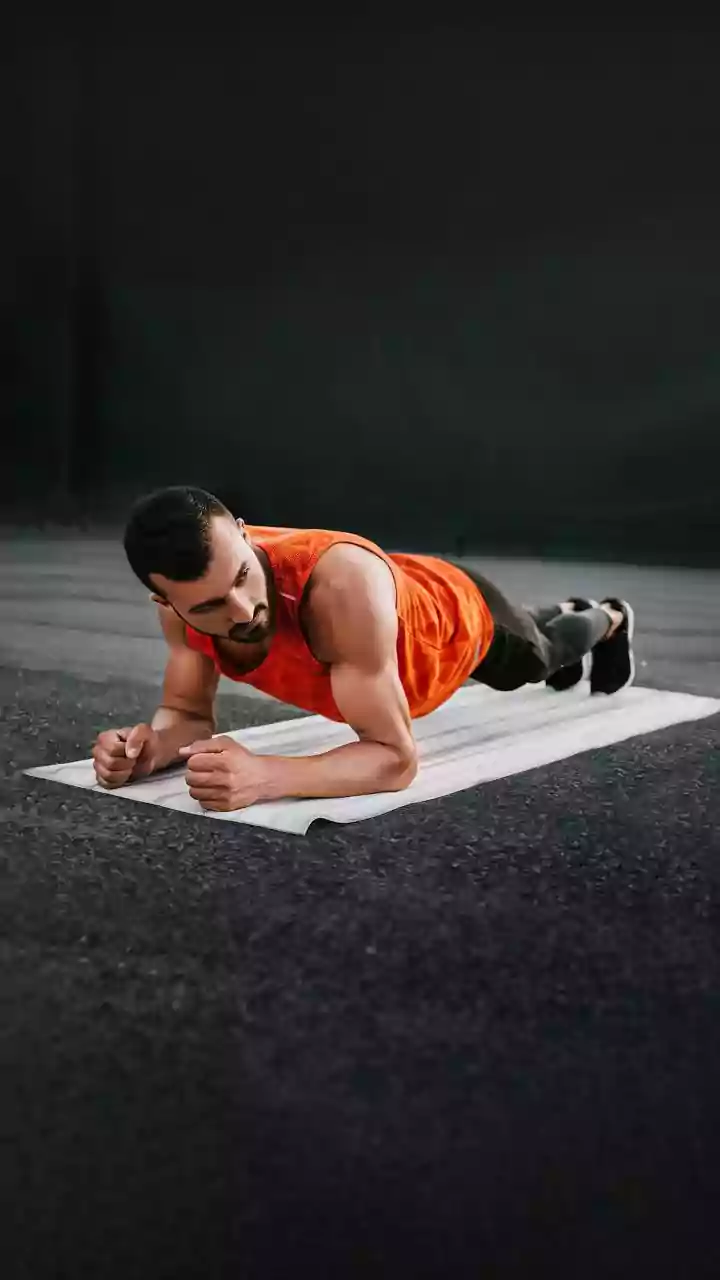
This is the classic, and for good reason. It builds baseline strength and teaches proper form. Mastering the standard plank is key before moving on to more complex variations. To perform it, lie on your stomach and place your forearms on the floor with your elbows directly under your shoulders. Clasp your hands if that’s more comfortable. Lift your hips off the floor, engaging your abdominal muscles, so your body forms a straight line from your head to your heels. Avoid letting your hips sag or rise too high. Keep your gaze neutral, looking at the floor just ahead of your hands. The goal is to hold this position with perfect form. Start with 20-30 seconds and gradually increase the duration as you get stronger. The key is quality over quantity; a 30-second plank with good form is far better than a 60-second one with a sagging back.
To Counteract Slouching: Reverse Plank
Hours spent hunched over a keyboard can weaken the posterior chain—the muscles on the back of your body, like your glutes, hamstrings, and lower back. The reverse plank is the perfect antidote. It directly targets these often-neglected muscles, helps open up the chest, and actively counteracts the forward-slouch posture many develop from sitting all day. To do it, sit on the floor with your legs extended in front of you. Place your hands on the floor slightly behind your hips, with your fingers pointing toward your feet. Press through your hands and heels to lift your hips until your body forms a straight line from your shoulders to your heels. Squeeze your glutes and keep your core engaged to prevent your hips from dropping. This move is more challenging than it looks and provides a great stretch for the front of your body while strengthening the back.
For Stability and Side Strength: Side Plank
Your core's job isn't just to resist bending forward and backward, but also side-to-side. The side plank targets the obliques (the muscles on your sides) and the quadratus lumborum in your lower back, which are crucial for rotational stability and preventing injury. Lie on your right side with your legs straight. Place your right elbow directly under your shoulder and lift your hips until your body is in a straight line from your head to your feet. You can stack your feet or place your top foot on the floor in front of you for more stability. Hold the position, ensuring your hips don't drop. Repeat on the left side. Strengthening these side stabilisers improves your balance and provides more comprehensive support for your spine.
Adding a Dynamic Challenge: Plank with Shoulder Taps
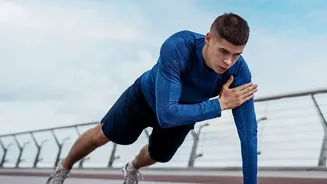
Once you're comfortable holding a static plank, you can add dynamic movement to challenge your stability further. The plank with shoulder taps forces your core to work harder to prevent your torso from rotating. Start in a high plank position (on your hands, not forearms) with your hands directly under your shoulders and your feet slightly wider than hip-width apart for a more stable base. Keeping your hips as still as possible, lift your right hand and tap your left shoulder. Return your right hand to the floor and repeat on the other side, lifting your left hand to tap your right shoulder. The key is to move slowly and with control, fighting the urge to rock your hips from side to side. This variation builds anti-rotational strength, which is vital for protecting your spine during athletic movements and daily tasks.