







The Story in Numbers
Recent data from the Ministry of Commerce and Industry paints a clear picture of this split personality within India's core economy. For June 2026, steel production recorded a healthy 4.6% year-on-year expansion. This growth, although a 21-month low,
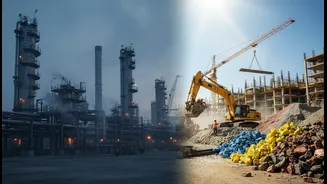
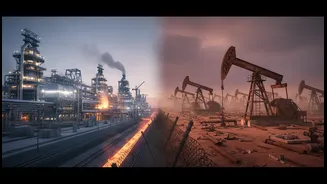
is part of a broader positive trend for the sector. In contrast, the petroleum complex acted as the primary drag on overall industrial performance. Crude oil output fell by 4.2%, natural gas contracted by a steep 7.4%, and refinery products saw a 4.7% decline. This performance gap highlights a critical economic narrative: the resilience of domestically-focused industries versus the vulnerabilities of those tied to global markets.
Steel: Forged by Domestic Demand
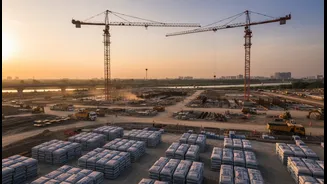
The strength in the steel sector is fundamentally a domestic story. A relentless government push on infrastructure is creating powerful and sustained demand. The construction of highways, railways, bridges, and urban infrastructure projects like the bullet train are consuming vast quantities of steel. This is bolstered by a healthy appetite from the automotive and manufacturing sectors. According to industry reports, finished steel consumption has been growing robustly, driven by these end-use segments. This indicates that the core of the Indian economy, particularly construction and manufacturing, remains on a solid footing, providing a stable market for steel producers independent of global volatility.
Petroleum's Pressures: A Global Game
The challenges for the petroleum sector are multifaceted and largely external. As a nation that imports over 85% of its crude oil, India is highly exposed to global price fluctuations, geopolitical tensions, and supply chain disruptions. Recent global conflicts have reshaped trade flows, and tensions in West Asia have added layers of risk. Economists suggest that the negative growth in crude-linked sectors can be attributed to a slowdown in exports of refinery products and a complex import situation as global crude prices cool. The contraction in natural gas and fertilisers further complicates the picture, pointing to a sector grappling with international market dynamics that are beyond domestic control.
What This Means for India Inc.
This divergence is more than just a statistical curiosity; it's a barometer of the Indian economy's structure. The success of steel underscores the positive impact of the 'Make in India' initiative and infrastructure spending. It suggests a degree of decoupling from global headwinds, where domestic demand can sustain a major industry. Conversely, the struggles in the petroleum sector serve as a stark reminder of India's energy vulnerability. These sectors together form a significant portion of the Index of Industrial Production (IIP), meaning their opposing movements can send mixed signals to policymakers and investors. While strong steel and cement performance points to a robust investment cycle, the weakness in energy raises concerns about input costs and energy security.
The Road Ahead
Looking forward, the key question is whether these trends will continue. For steel, the outlook appears positive as long as the infrastructure and construction boom is maintained. The National Steel Policy's ambitious target of reaching 300 million tonnes of capacity by 2030 signals long-term confidence. For the petroleum sector, the path is less certain. The strategy will involve navigating volatile global markets while managing the long-term transition towards cleaner energy sources. Diversifying energy sources and boosting domestic exploration and production remain critical national priorities to mitigate the kind of shocks currently being felt. Success in both these arenas—sustaining domestic growth drivers and insulating against external shocks—will be crucial for India's overall economic trajectory.