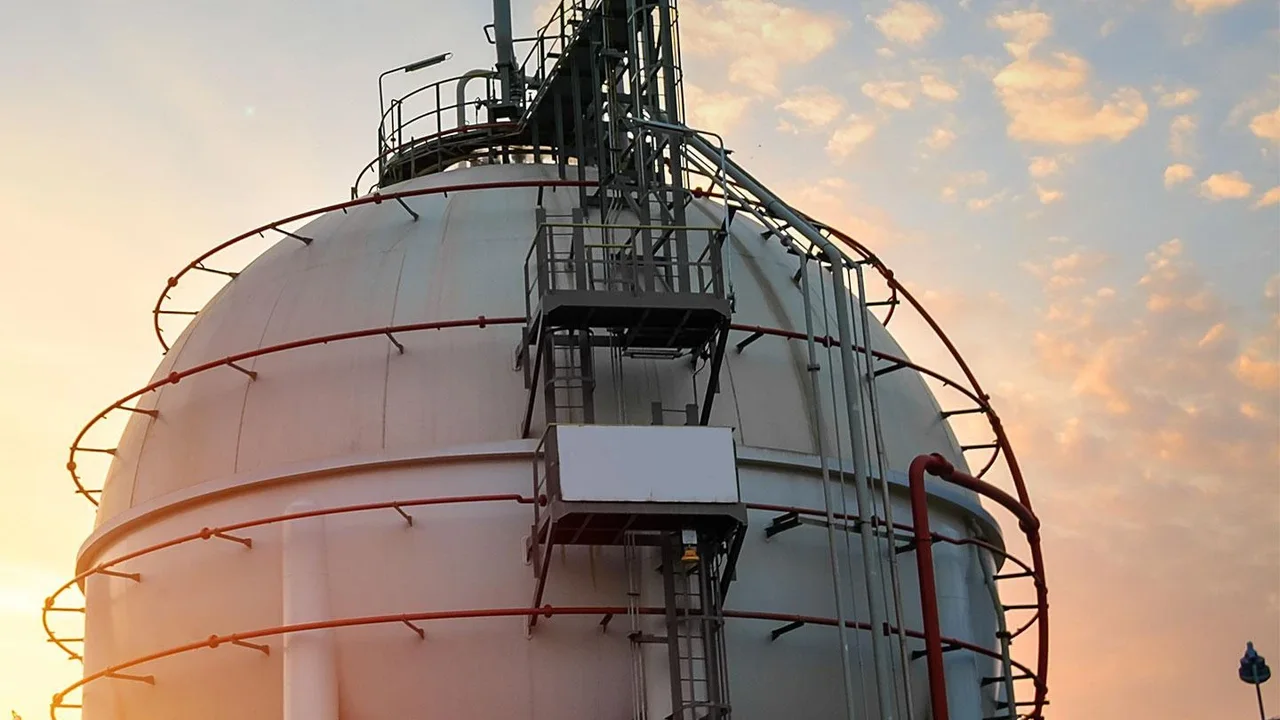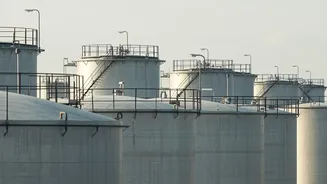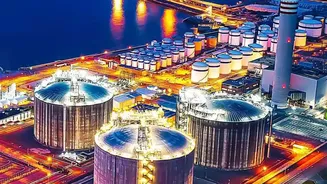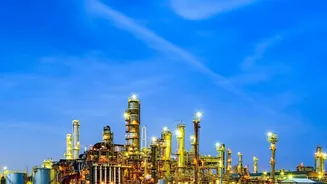




A major deal between Saudi Arabia and Singapore will see Saudi crude oil stored deep beneath Jurong Island. This is more than just a storage solution; it's a strategic move to bolster energy security and redefine oil supply chains in Asia.
A Strategic Energy Partnership
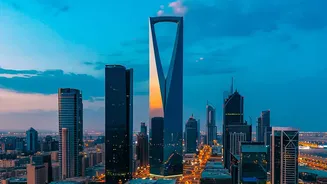
Saudi Arabia
and Singapore have announced a landmark agreement for Saudi Aramco, the Kingdom's state-owned oil giant, to store crude oil in Singapore. The deal, marked by a Memorandum of Understanding between Saudi Aramco, Singapore's Energy Market Authority (EMA), and JTC Corporation, is set to commence in the second half of 2027. This isn't just a commercial rental agreement; it's a strategic partnership designed to benefit both nations. For Saudi Arabia, it moves a significant volume of its primary export closer to its key customers. For Singapore, it reinforces its status as a global energy hub and strengthens its own energy security.
Jurong Island: Asia's Energy and Chemicals Hub
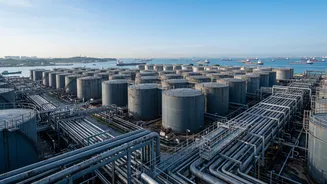
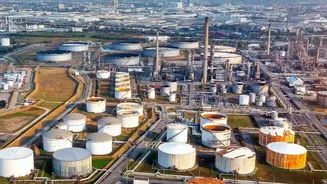
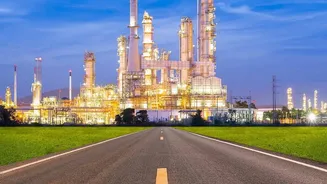
The heart of this operation is Jurong Island, an artificial island that serves as the nerve center of Singapore's energy and chemical industry. Despite having no oil reserves of its own, Singapore is one of the world's top oil trading and refining centers. Jurong Island hosts an integrated network of refineries and petrochemical plants operated by global giants. Its strategic location allows it to receive large oil shipments from the Middle East, which are then refined, stored, and distributed in smaller quantities to markets across Asia. Adding Saudi strategic reserves to this ecosystem enhances its importance and efficiency.
The Jewel Under the Sea: Jurong Rock Caverns
The specific facility for the Saudi crude is the Jurong Rock Caverns (JRC), a marvel of modern engineering. Located 130 to 150 meters beneath the seabed, the JRC is Southeast Asia's first commercial underground facility for storing liquid hydrocarbons. Phase one consists of five huge caverns, with a combined storage capacity of 1.47 million cubic meters, equivalent to about 9 million barrels of oil. The caverns, some as tall as nine-story buildings, were created by excavating millions of cubic meters of rock. This subterranean solution not only provides enhanced security but also frees up approximately 60 hectares of valuable surface land for other industrial uses.
Why Singapore? Proximity and Stability
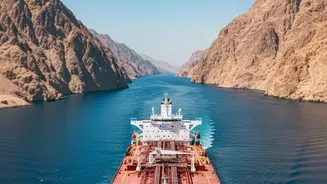
For Saudi Aramco, storing oil in Singapore offers a significant logistical advantage. Asia is a critical market, and having stockpiles in Singapore allows for quicker, more flexible delivery to customers across the region. This move de_risks the supply chain, which can be vulnerable to disruptions in major shipping lanes like the Strait of Hormuz. Saudi Energy Minister Prince Abdulaziz bin Salman noted that bringing supply closer to key Asian markets strengthens the flexibility of their supply network. Saudi Aramco already has similar storage arrangements in Japan and South Korea, and the Singapore deal expands this strategic network.
Bolstering Mutual Energy Security
The arrangement is explicitly designed to enhance energy security for both nations. Singapore's Energy Minister, Tan See Leng, highlighted that the deal contributes to Singapore's resilience in the event of supply disruptions. While the oil belongs to Saudi Arabia, having it physically present in Singapore provides a crucial buffer. In turn, Saudi Arabia enhances the stability of its supply chain to a region that accounts for a massive portion of its exports. Recent geopolitical tensions and attacks on energy infrastructure have underscored the importance of such resilient supply networks, making this partnership a timely and prudent measure.