



A New Martian Mystery
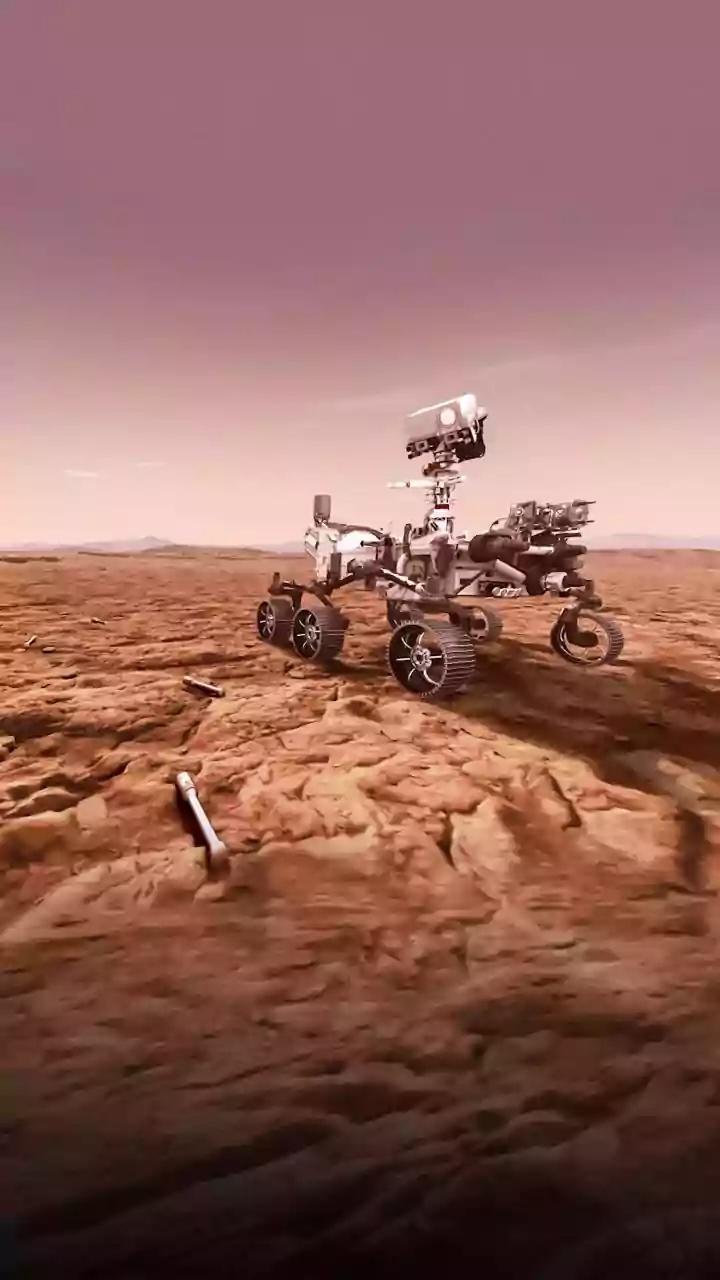
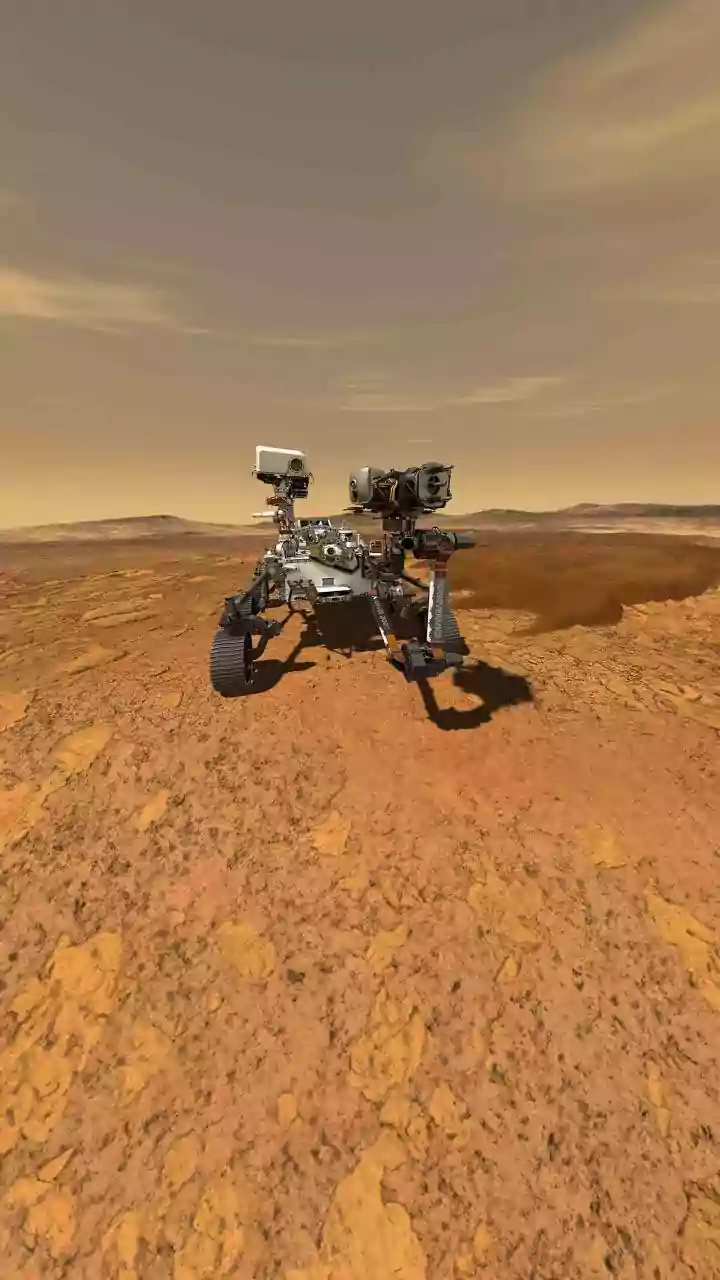
For over a decade, the six-wheeled science laboratory known as the Curiosity rover has been diligently climbing Mount Sharp, a towering 5.5-kilometre-high mountain inside Gale Crater. Its mission is to read the layers of rock like pages in a history book,
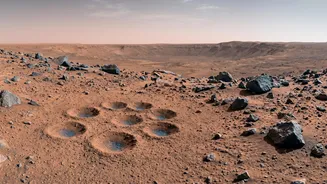
telling the story of Mars's transition from a potentially habitable wet world to the cold, dry planet we know today. But recently, while traversing a region called Valle Grande, it found something unexpected: small, shallow pits dotting the landscape that don't fit with typical explanations. These aren't the usual craters left by meteorite impacts, which are common across the planet. These are different, and that has the mission's science team captivated.
Not Just Any Holes
So, what makes these formations so strange? On Earth, and typically on Mars, small pits in bedrock often form when a harder piece of rock or mineral gets embedded in a softer substrate. Over time, the softer rock erodes away, while the tougher bit eventually breaks apart or is carried away, leaving a cavity behind. But the holes discovered in Valle Grande don't seem to follow this script. According to NASA scientists, these new pits are unusually broad and shallow, and crucially, there are no obvious objects nearby that appear to have once filled them. This lack of a clear cause is what elevates this from a routine observation to a genuine geological puzzle that requires a closer look.
The Context of a Changing Mars
This discovery comes as Curiosity explores a fascinating transitional zone on Mount Sharp. The rover is moving from older, clay-rich layers—which typically form in water—to younger layers enriched with salty minerals called sulfates, which tend to form as water evaporates. This zone is a physical record of a time when Mars was drying out, when long dry spells became common and the lakes and rivers that once filled Gale Crater began to recede. In this same general area, Curiosity has also found stunning hexagonal, honeycomb-like patterns of ancient mud cracks. These patterns are believed to be the first tangible evidence of regular, Earth-like wet-dry cycles on ancient Mars, a process that could have been crucial for the chemical building blocks of life to form.
Searching for an Explanation
While scientists are intrigued, they are not jumping to extraordinary conclusions. The mystery of the shallow holes is currently a geological one. The leading theories for the broader polygonal patterns seen nearby include geological compression, large temperature swings squeezing moisture from sediment, or the powerful influence of repeated, seasonal wet-dry cycles billions of years ago. However, these specific shallow pits remain unexplained. The science team is now using Curiosity's advanced instruments to investigate further. The rover's Mars Hand Lens Imager (MAHLI) has taken close-up shots of the pits, while its Mastcam is capturing overlapping stereo images of the area. These images will allow scientists to create detailed 3D models to measure the pits' exact shapes and depths, helping them work backwards to figure out how they formed.