



Why Smaller is Better
Making green chutney, or hari chutney, in large quantities seems efficient, but it often leads to disappointment. The biggest enemy of this fresh condiment is oxidation, the process that turns the bright green herbs a dull, unappetizing brown. When you
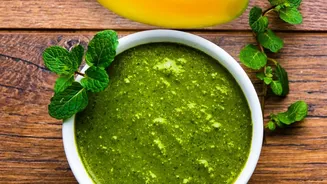
make chutney in small batches, you use it up faster, giving it less time to oxidize. This ensures every serving is as fresh, fragrant, and flavourful as possible. Smaller quantities are also easier to manage in a blender, requiring less water and resulting in a thicker, more flavour-packed consistency rather than a diluted, watery sauce. It’s the best way to preserve the fresh, herby notes of the coriander and mint.
The Essential Ingredients
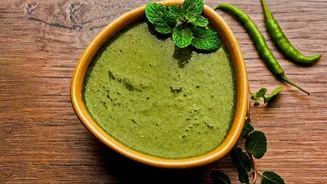
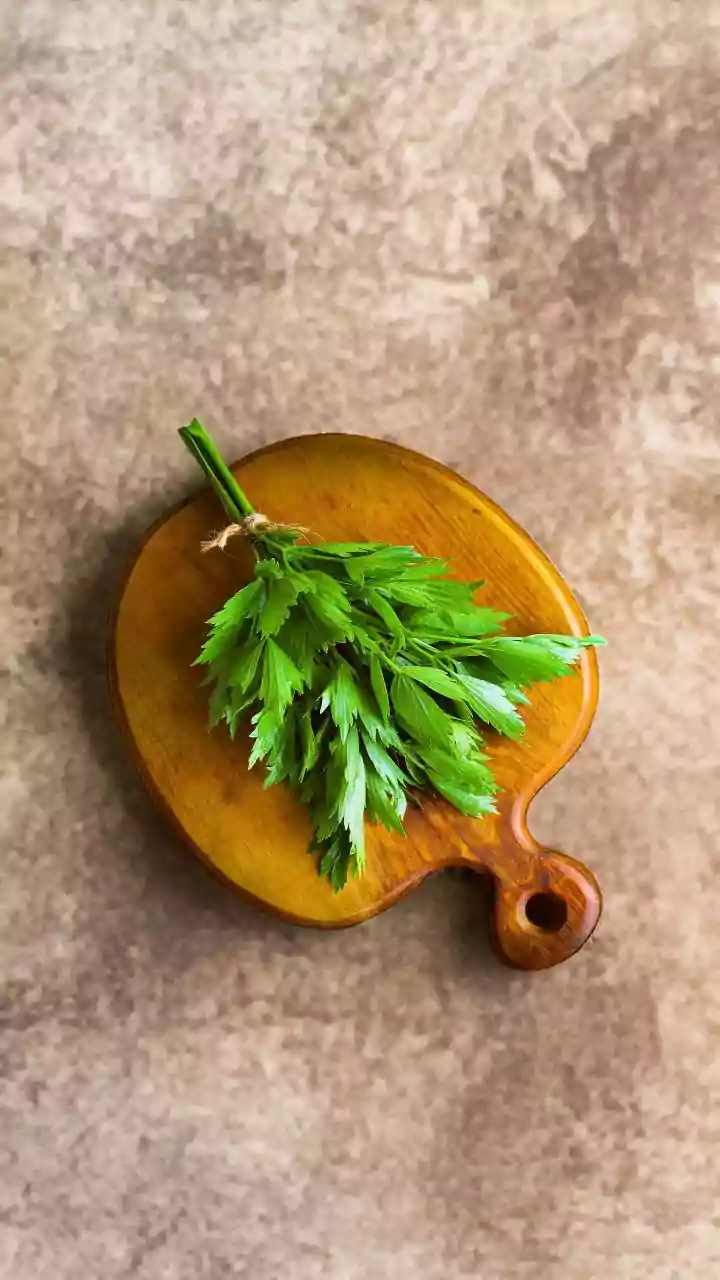
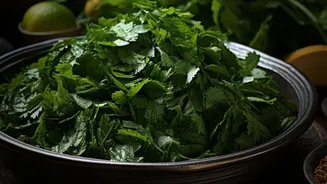
The foundation of a classic green chutney is simple and fresh. You'll need about one cup of tightly packed fresh coriander leaves (dhaniya) and about half a cup of mint leaves (pudina). Use only the tender stems of coriander, as thick stems can introduce bitterness. For heat, add two to three green chillies, adjusted to your preference. A small piece of ginger and a clove of garlic add depth and pungency. To balance the flavours, you'll need salt, a pinch of sugar, and roasted cumin powder. The final, crucial ingredient is lemon juice, which not only adds a tangy brightness but also helps preserve that beautiful green colour.
A Simple Method for a Small Batch
To start, thoroughly wash your coriander and mint leaves. In a small blender jar, combine the coriander, mint, chopped green chillies, ginger, and garlic. Add about half a teaspoon of roasted cumin powder, a pinch of sugar, and salt to taste. Now for the secret to a smooth blend without adding too much water: start with just one or two teaspoons of cold water or even an ice cube. The ice helps keep the herbs cool during blending, which further prevents darkening. Blend the ingredients until you have a smooth, thick paste. Scrape down the sides as needed. Only add the lemon juice after blending is complete, then give it a final, quick mix. This method prevents the acid from 'cooking' the herbs during the prolonged blending process.
Tips for a Vibrant, Flavourful Chutney
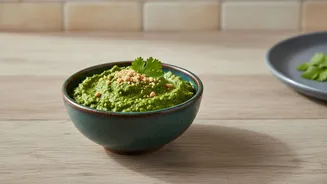
To guarantee a bright green chutney every time, freshness is key. Use the freshest, brightest herbs you can find. Adding an acidic element like lemon juice or vinegar after blending is crucial to slow down oxidation. For thickness, some recipes suggest adding ingredients like roasted peanuts, roasted gram dal (chana dal), or even a small piece of bread to absorb excess moisture and create a creamier texture. If your chutney ever tastes bitter, it might be from using too many mint stems, over-blending, or using herbs that aren't fresh. A small pinch of sugar can help balance any bitterness.
Storing Your Fresh Chutney
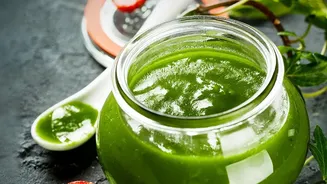
Since you’re making it in small batches, you’ll likely use it up quickly, which is ideal. Store any leftover chutney in a clean, dry, airtight glass jar in the refrigerator. Pressing a piece of plastic wrap directly onto the surface of the chutney before sealing the lid can help minimize contact with air. For the best flavour and colour, it's recommended to consume it within two to three days. If you do decide to make a larger amount, you can freeze it. Pour the chutney into an ice cube tray, and once frozen, transfer the cubes to a freezer bag. This allows you to thaw small, perfect portions as needed.