



From Waste to Wow
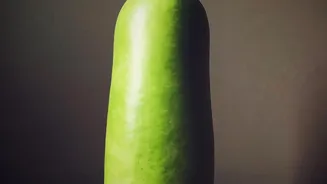
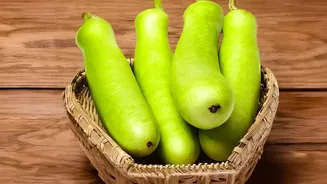
In the quest for a zero-waste kitchen, every part of a vegetable holds potential. The peel of the bottle gourd, or lauki, is often discarded without a second thought, yet it's perfectly edible and nutritious. The skin is a good source of dietary fibre,
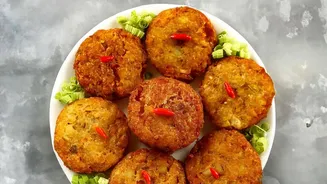
which is excellent for digestion. It also contains essential vitamins and minerals, including vitamin C and potassium. By using the peels, you're not just creating a tasty dish; you're also reducing food waste and making the most of your groceries. These kebabs are a testament to how creative and resourceful Indian cooking can be, turning a humble peel into a starter that is both delicious and mindful.
Gather Your Ingredients
This recipe relies on common pantry staples to bring the delicate flavour of the peels to life. For a batch serving 3-4 people, you will need: Peels from 1 medium bottle gourd (lauki) 2 medium potatoes, boiled and mashed 1/2 cup gram flour (besan), roasted 1 small onion, finely chopped 1-inch piece of ginger, grated 2-3 cloves of garlic, minced 2 green chillies, finely chopped A handful of fresh coriander leaves, chopped 1 teaspoon cumin powder 1/2 teaspoon turmeric powder 1/2 teaspoon garam masala 1 teaspoon chaat masala for sprinkling Salt to taste Oil for shallow frying
Step 1: Preparing the Peels
The preparation of the peels is the most crucial step to ensure your kebabs have the right texture. Start by washing the bottle gourd thoroughly before you peel it. It is best to use a knife instead of a peeler, as this allows you to leave a small amount of flesh on the skin, which adds body to the kebabs. Once peeled, chop the peels roughly. Bring a pot of water to a boil, add a pinch of salt, and blanch the peels for about 5-7 minutes until they are tender. Some recipes suggest pressure cooking the peels with chana dal for a different texture. After boiling, drain them completely and let them cool. It's vital to squeeze out as much excess water as possible to prevent the kebab mixture from becoming soggy. Once drained and squeezed, place the peels in a grinder or food processor and blitz them into a coarse paste. Avoid over-blending; a bit of texture is desirable.
Step 2: Creating the Kebab Mixture
In a large mixing bowl, combine the ground bottle gourd peel paste with the boiled, mashed potatoes. Add the finely chopped onion, grated ginger, minced garlic, green chillies, and fresh coriander leaves. Next, add the dry spices: cumin powder, turmeric powder, and garam masala. Mix everything together thoroughly. Now, introduce the roasted gram flour (besan). The besan acts as a binding agent, absorbing any remaining moisture and helping the kebabs hold their shape. Add it gradually until the mixture is no longer sticky and can be easily shaped. Finally, add salt to taste. It's often recommended to add salt at the very end to prevent the mixture from releasing more water.
Step 3: Shaping and Frying the Kebabs
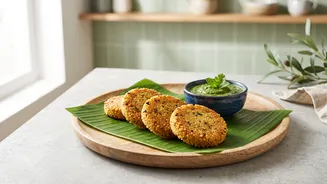
Lightly grease your palms with a little oil to prevent the mixture from sticking. Take a small portion of the kebab mixture and roll it between your palms to form a smooth ball, then gently flatten it into a disc or tikki shape. You can also shape them into longer, oval seekh kebabs if you prefer. Heat a non-stick pan or tawa over a medium flame and add a few teaspoons of oil for shallow frying. Carefully place the kebabs on the hot pan, ensuring you don't overcrowd it. Cook them for 4-5 minutes on each side, or until they are golden brown and crisp. Frying on a medium-low flame ensures they cook evenly without burning on the outside.
Serving Your Zero-Waste Snack
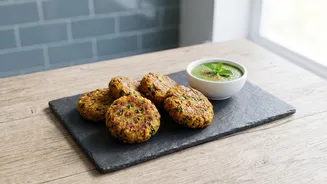
Once the kebabs are beautifully browned and crisp, remove them from the pan and place them on a plate lined with absorbent paper to soak up any excess oil. Sprinkle a pinch of chaat masala over the hot kebabs for an extra burst of tangy flavour. These bottle gourd peel kebabs are best served immediately while they are still warm and crisp. They pair wonderfully with a side of green mint-coriander chutney, tamarind chutney, or even a simple tomato ketchup. For a fuller meal, you can wrap them in a paratha or roti with some sliced onions and chutney to create a delicious and satisfying roll. This innovative snack is not just a treat for your taste buds but also a small, meaningful step towards a more sustainable kitchen.