








The Unseen Cost of the Rice Bowl
The paddy-wheat monoculture that defined the Green Revolution has come at a steep environmental price. Paddy is a notoriously thirsty crop, and its cultivation requires enormous amounts of water. Estimates suggest growing one kilogram of rice in Punjab
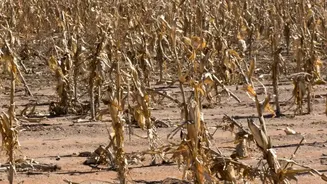
can consume over 5,000 litres of water. This intensive farming has led to a catastrophic decline in the state's water table, with some reports indicating that more than 80% of Punjab's administrative blocks are now classified as 'overexploited'. Farmers are forced to drill deeper and deeper wells, abandoning old pumps for more expensive submersible ones, an economic burden that falls heaviest on those with smaller landholdings. The state's agricultural sustainability is now in jeopardy, a slow-burn crisis born from its greatest success.
The Government's Diversification Dream
Successive state and central governments have recognised the impending disaster and have been pushing for crop diversification for years. The core idea is simple: persuade farmers to shift from paddy to less water-intensive alternatives during the Kharif season. For the 2026-27 season, the Punjab government expanded a scheme offering farmers a financial incentive of ₹17,500 per hectare to cultivate maize instead of paddy. This push extends to other crops as well, with national missions promoting oilseeds, pulses, and another historically significant crop for the region: cotton. The official appeals are clear—diversify to save Punjab’s water, soil, and agricultural future. But convincing farmers to abandon a sure thing is proving to be an uphill battle.
Cotton’s Thorny Path to Failure
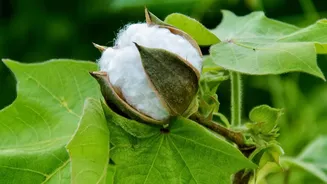
Cotton was once a dominant force in Punjab's agricultural landscape, but it now serves as a cautionary tale for the challenges of diversification. For the 2026-27 Kharif season, the state’s efforts to promote cotton have met with a resounding failure. Against a target of 1.25 lakh hectares, farmers have sown cotton on only about 70,000 hectares—a record low and just 56% of the goal. This marks a dramatic decline from the nearly 1.19 lakh hectares cultivated in the previous year and is a fraction of the 7 lakh hectares the crop once covered. The consequences are stark: a crisis in the state's cotton ginning industry, which now has to import raw material, and a clear signal that farmers are walking away from the crop in droves.
Why Farmers Are Abandoning Cotton
The exodus from cotton is not without reason. Farmers have faced at least five consecutive seasons of poor returns, battered by a combination of factors. Pest infestations, particularly from whitefly and pink bollworm, have repeatedly damaged crops and eroded confidence. This is compounded by market volatility, where farmers often face counterfeit seeds and see market prices fall below the Minimum Support Price (MSP) due to poor crop quality or weak demand. Adverse weather, including unseasonal rains during the 2025 harvest, inflicted severe financial losses, making the crop a high-risk gamble. For many, the risks associated with cotton—from pests to prices—far outweigh the potential rewards.
The Unshakeable Security of Paddy
In the face of cotton's volatility, paddy remains a bastion of security. While crops like cotton and maize are subject to market whims and pest attacks, paddy is backed by a robust and reliable system of government procurement at an assured MSP. This institutional support, combined with free or heavily subsidized electricity for irrigation, creates a powerful economic incentive that no alternative crop can currently match. As long as paddy provides a guaranteed income, farmers will continue to choose it, even if they are aware of the long-term environmental consequences. The sharp decline in cotton acreage is expected to push even more farmers back toward paddy, further intensifying the pressure on Punjab's already strained groundwater resources.