



Rethinking a Familiar Spice
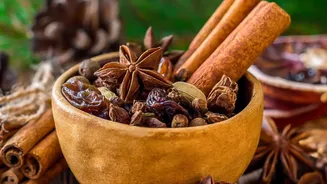
Cloves, or 'laung', are the unopened flower buds of an evergreen tree, and they possess an intense, warm, and sweet-spicy flavour. This potency is why they are often used with a heavy hand in robust dishes or as a key component in foundational spice blends
like garam masala. In these contexts, the clove's job is to contribute to a complex wall of flavour. However, this has led many home cooks to reserve it for special, heavy meals, fearing its dominant character. But used with care, a whole clove doesn’t have to shout; it can whisper, perfuming a dish with a gentle, woody warmth that is surprisingly subtle and deeply savoury. The key is to move it from a background team player to a solo artist on a simple stage.
Pilaf: The Perfect Canvas
Unlike a complex biryani layered with dozens of ingredients, a simple rice pilaf, or pulao, offers the perfect, neutral canvas to showcase a single spice. A well-made pilaf is about fragrance and fluffy, distinct grains of basmati rice. Cooking the rice with just a few complementary whole spices allows each one’s aroma to infuse every single grain without becoming overwhelming. For cloves, this is the ideal environment. Instead of being one of many strong flavours in a curry, here it can be the star, lending a sophisticated aroma that elevates the humble rice into something truly special. The goal isn't for the dish to taste strongly of clove, but for the clove to make the rice taste more aromatic and savoury.
The Art of Gentle Infusion
The secret to unlocking the savoury side of cloves lies in the technique. It begins with 'tadka', or tempering the spices in hot fat. Heat a tablespoon of ghee or oil in a heavy-bottomed pan. Once it shimmers, add two to four whole cloves, perhaps along with a cinnamon stick and a few green cardamom pods. Let them sizzle for no more than 30 seconds. This quick bath in hot fat blooms the spices, releasing their essential oils and mellowing their flavour. Frying them for too long can make them bitter. After this brief tempering, you can add thinly sliced onions and sauté until golden, which adds a layer of sweetness. Finally, add your soaked and drained basmati rice, coating it in the fragrant oil before adding water and cooking.
Building a Balanced Flavour
While the clove is the main feature, it pairs beautifully with other mild, aromatic spices that support its flavour without competing. A bay leaf, a small stick of cinnamon, and a couple of cardamom pods are classic companions in a pulao. These spices work in harmony to create a layered fragrance. The sweetness of sautéed onions and the inherent nuttiness of good quality basmati rice provide the perfect base. Crucially, most pilaf recipes advise against adding assertive ingredients like ginger-garlic paste, as they can overpower the delicate scent of the whole spices. When the rice is cooked, it’s best to let it rest, covered, for about ten minutes before fluffing it with a fork. This helps the grains firm up and separate perfectly.
How to Serve and Experiment
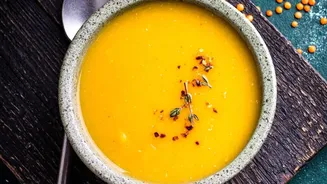
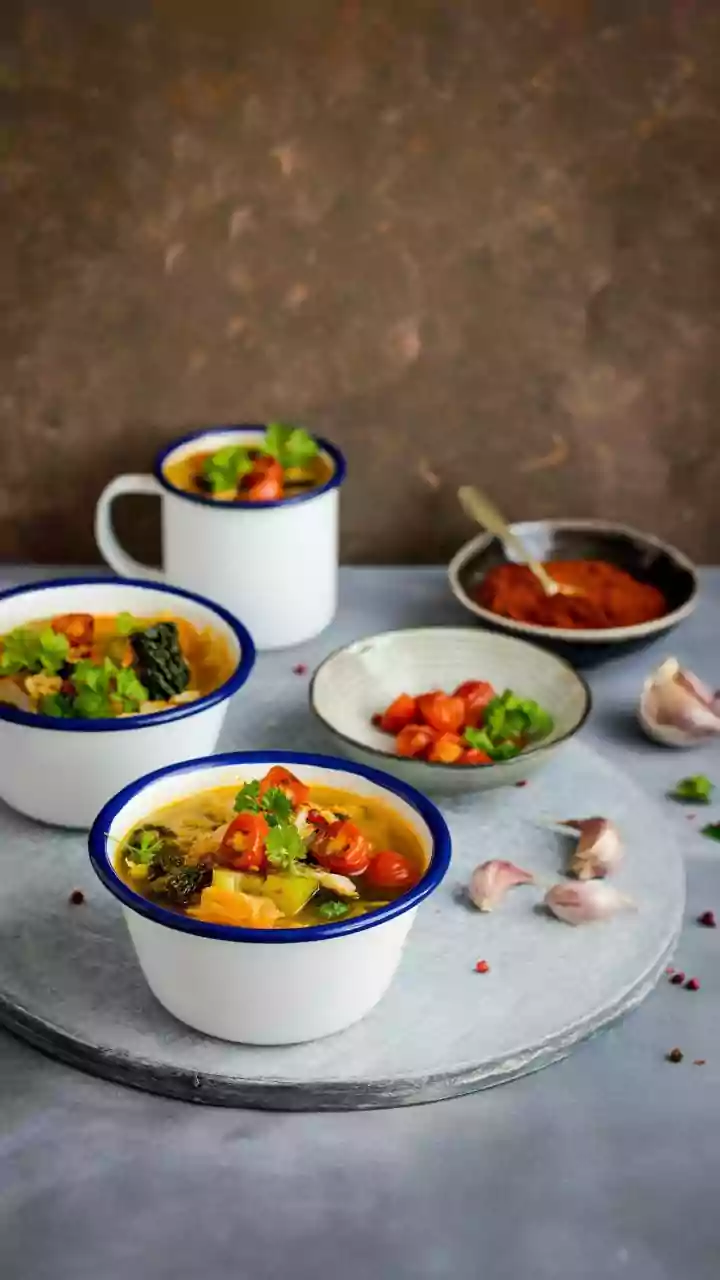
Before serving, you can remove the whole cloves, treating them as you would a bay leaf to avoid anyone biting into one directly, which can be unpleasantly intense. This aromatic rice pilaf is the perfect accompaniment to almost any curry, dal, or grilled meat, as its gentle flavour complements rather than clashes. Once you master the technique of gentle clove infusion in rice, you can apply it elsewhere. Try adding a single clove to a pot of simmering dal, a light vegetable soup, or a slow-cooked chicken stew. You will notice it adds a certain warmth and depth that is hard to place but undeniably delicious.