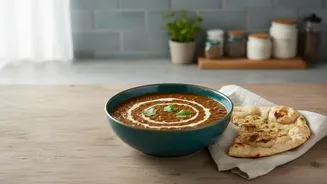


Create an ‘Eat Me First’ Zone
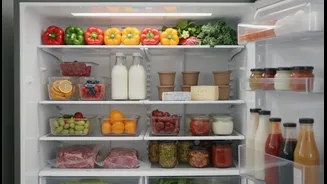
The core principle of keeping half-batches visible is creating a system of awareness. Designate one specific, eye-level shelf in your refrigerator as the 'Eat Me First' zone. This is where you’ll place any open container, leftover portion, or half-used
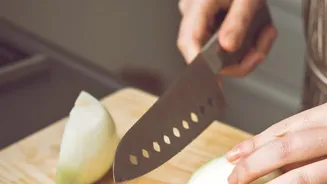
vegetable. When you open the fridge, your eyes go there first. That half an onion, the three remaining spoonfuls of pasta sauce, or the single chicken thigh are no longer hidden behind the milk carton. This simple habit turns potential waste into your primary inspiration for the next snack or meal, forcing you to get creative before opening something new.
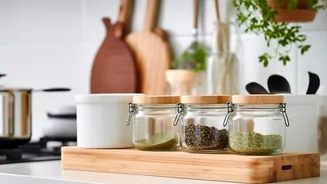
Embrace Clear Containers
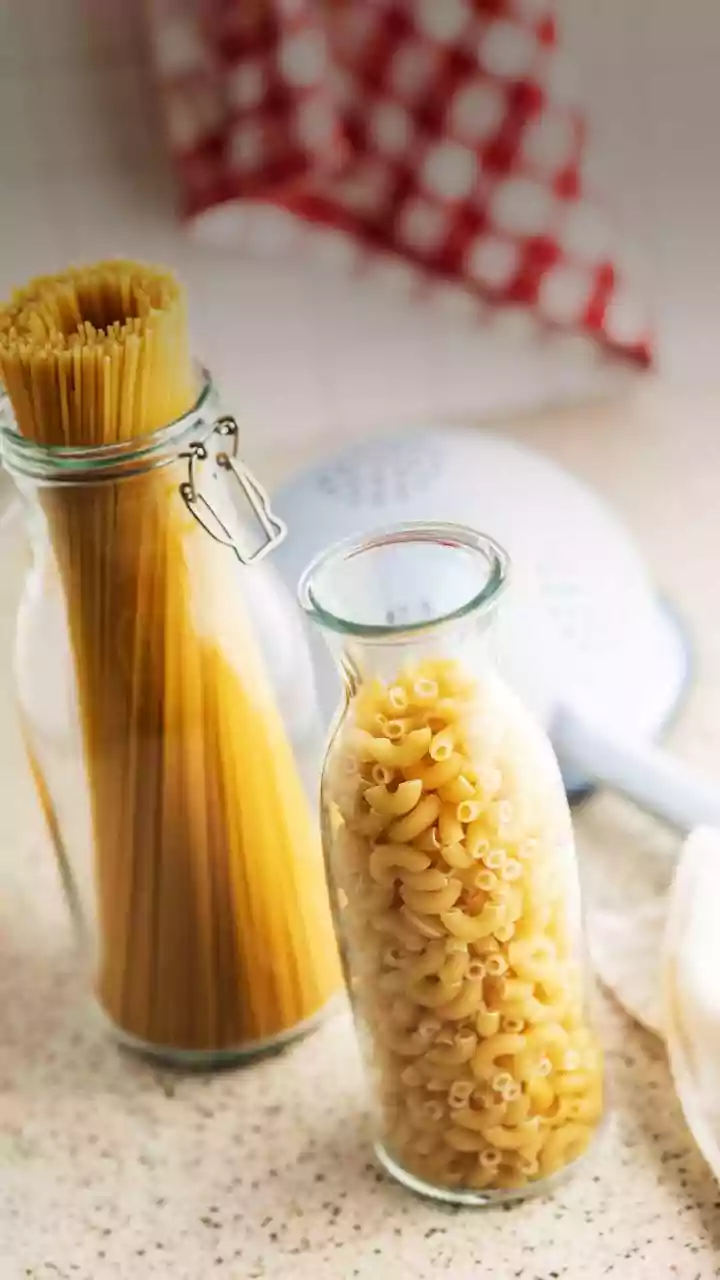
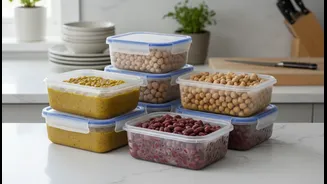
Out of sight is truly out of mind in the kitchen. Opaque or mismatched containers hide their contents, making it easy to forget what you have. Investing in a set of clear, stackable glass or plastic containers is a game-changer. When you can instantly see the leftover quinoa, chopped bell peppers, or small portion of soup, you’re exponentially more likely to use it. Labelling containers with the contents and date is another pro-level move that removes guesswork. This visual clarity not only helps you track your half-batches but also makes your entire fridge feel more organized and less chaotic, which can make cooking more enjoyable.
Shift to Component Cooking
Instead of cooking complete, single-serving meals every night, try shifting your mindset to 'component cooking'. This is a technique used by restaurant chefs, where you prepare individual ingredients in advance to be combined in various ways throughout the week. For example, on Sunday, you might roast a tray of mixed vegetables, cook a batch of rice, and grill a couple of chicken breasts. These aren't complete meals, but components. That half-batch of roasted broccoli can go into a frittata, a wrap, or a pasta dish. This approach makes leftovers feel less like repetitive meals and more like a versatile, ready-to-use pantry of ingredients, offering flexibility that rigid meal prep often lacks.
Plan for the Other Half
Many recipes call for ingredients that are impossible to buy in single-serving sizes, like a can of coconut milk or a bunch of fresh herbs. The key is to have a plan for the remainder before you even start cooking. If your curry needs half a can of coconut milk, decide that you’ll use the rest in a smoothie the next morning. If you buy a bunch of parsley, plan to make a tabbouleh salad or a gremolata sauce later in the week. Thinking about the full lifecycle of an ingredient prevents those half-batches from becoming science experiments in the back of your fridge. Some people even plan their week around using overlapping ingredients to minimize waste from the start.
Make Your Freezer a Library
The freezer is the solo cook's best friend for preserving half-batches that you can't use immediately. But just like the fridge, it can become a black hole. Use freezer-safe bags or small containers to store single portions of everything from broth and sauces (frozen in ice cube trays) to individual sausages or leftover cooked proteins. Crucially, label everything clearly with the contents and date. Keep a small whiteboard or a note on your fridge listing your freezer inventory. This visible list acts as a menu of future meal components, preventing you from buying what you already have and ensuring those saved portions actually get used.