
Living Mythology and Ritual
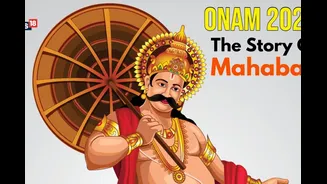
During Onam, dance is not just a performance; it's a living, breathing form of cultural storytelling. The festival commemorates the annual return of the mythical King Mahabali, whose prosperous reign is celebrated with immense joy. Many dance forms performed
during this ten-day harvest festival are deeply rooted in Hindu mythology, reenacting epic tales and local legends that reinforce the cultural and spiritual foundations of the celebration. These are not static museum pieces but dynamic rituals that connect the present generation to their ancestral past, turning courtyards and temple grounds into vibrant stages where gods and demons come to life. The performances are a collective expression of gratitude for the harvest and a way to honour the benevolent spirit of the returning king.
Kathakali: The Epic Storytelling
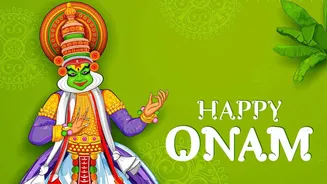
Perhaps the most internationally recognised art form from Kerala, Kathakali is a cornerstone of Onam celebrations. A powerful combination of dance, drama, music, and elaborate makeup, Kathakali performances bring stories from epics like the Mahabharata and Ramayana to life. The term 'Kathakali' itself means 'story-play'. Performers undergo rigorous training to communicate complex narratives and emotions purely through stylised hand gestures (mudras), facial expressions, and body movements. During Onam, these epic tales often depict the legends associated with King Mahabali or other mythological events, with dancers in larger-than-life costumes transforming into divine beings, heroes, and villains before the audience's eyes.
Pulikali: The Playful Tiger Dance
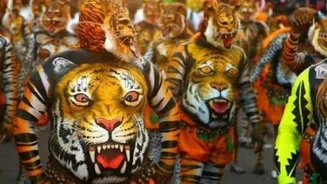
On the fourth day of Onam, the streets of Thrissur erupt with a raw, primal energy thanks to Pulikali, the 'tiger dance'. Performers, with their bodies meticulously painted over hours to resemble tigers and leopards, dance to the hypnotic beat of percussion instruments like the chenda and thakil. This folk art, which is nearly 200 years old, was reportedly introduced by a king to celebrate the brave and wild spirit of his soldiers. The dance revolves around the theme of a tiger hunt, with performers mimicking the prowl and pounce of the big cat. Far from just being a spectacle, Pulikali is a celebration of the connection between humans and nature, strength, and communal joy, attracting thousands of spectators.
Kummattikali: The Mythical Masked Dance
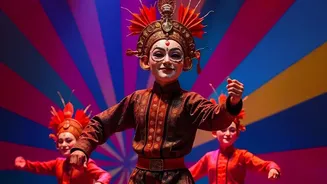
In the villages of Thrissur and Palakkad, Onam is greeted by the whimsical Kummattikali dancers. Performers don vibrant, oversized wooden masks depicting characters from mythology, such as Krishna, Ganesha, or demons, and cover their bodies in skirts made of woven grass. Going from house to house, they dance to welcome King Mahabali, accompanied by the rhythm of the 'Onavillu', a bow-shaped musical instrument. Legend holds that this dance was first performed by the 'bhoothaganas' (attendants) of Lord Shiva to entertain him. The dance is a form of community engagement, with performers collecting small gifts of rice and jaggery, reinforcing social bonds and spreading the festive cheer directly to people's doorsteps.
Thumbi Thullal: The Women's Circle of Joy
A graceful and enchanting folk dance performed exclusively by women, Thumbi Thullal is another integral part of Onam. A group of women, dressed in traditional kasavu sarees, sit or stand in a circle around a central performer, known as the 'Thumbi' (dragonfly). The group sings traditional songs and claps in unison, with the rhythm gradually building. As the tempo increases, the central dancer begins to sway and move, often entering a trance-like state, embodying the spirit of the dragonfly. This performance is a celebration of feminine energy, sisterhood, and the simple joys of the harvest season, often taking place in the courtyards of ancestral homes.