


An Andhra Culinary Gem
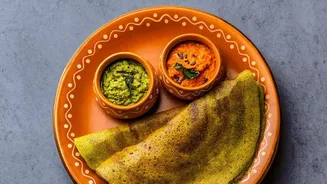
Pesarattu, also known as moong dal dosa, is a traditional breakfast dish originating from Andhra Pradesh. The name itself tells its story, derived from the Telugu words 'pesara' (green gram) and 'attu' (crepe or dosa). Unlike its more famous cousin, the fermented
rice-and-urad-dal dosa, Pesarattu is made from a batter of whole, soaked green gram, often ground with ginger, green chillies, and cumin seeds. This gives it a distinct flavour, a beautiful green hue, and a different texture that can range from soft to crispy. A key advantage is that the batter requires no fermentation, making it a quick and convenient option for a nutritious meal.
The Power of Soaked Green Gram
The heart and soul of Pesarattu is the whole green gram, or moong bean. Soaking the beans for four to six hours is a crucial step; it softens them for grinding and makes them easier to digest. This simple process unlocks a powerhouse of nutrition. Green gram is lauded for its high plant-based protein content, making it an excellent choice for vegetarians and anyone looking to boost their protein intake. It is also packed with dietary fibre, which aids digestion and helps in managing blood sugar levels, giving it a low glycemic index. Furthermore, these tiny beans are a good source of essential micronutrients like iron, folate, and magnesium, contributing to overall energy and well-being.
From Batter to Griddle
The preparation of Pesarattu is straightforward. After soaking, the green gram is drained and ground into a paste, typically with fresh ginger and green chillies for flavour and a bit of heat. Some recipes include a small amount of rice or chana dal during soaking to achieve a crispier texture, though traditionally it is not always used. Once the batter reaches a spreadable consistency, it's ready for the hot griddle, or tawa. A ladleful is poured and spread in a circular motion, just like a dosa. Often, finely chopped onions are sprinkled on top while it cooks, adding another layer of flavour and texture. The crepe is cooked until golden and crisp, then folded and served hot.
The Perfect Pairings
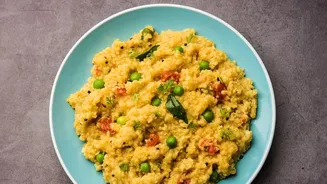
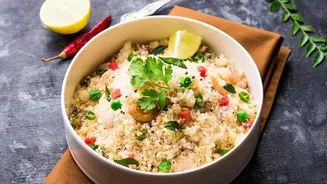
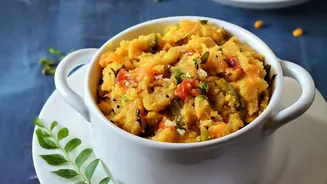
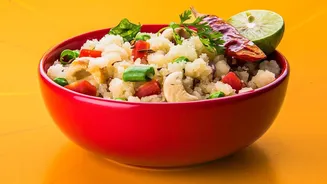
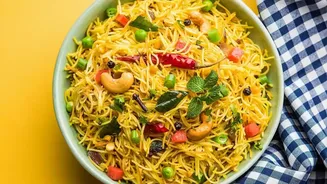
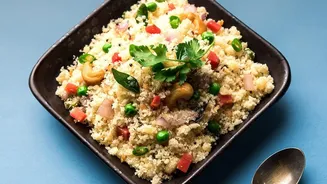
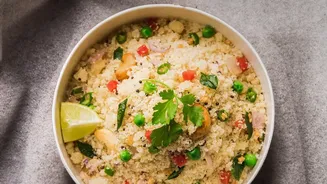
While a plain Pesarattu is delicious on its own, it is traditionally served with a zesty ginger chutney known as Allam Pachadi. The sharp, spicy, and slightly sweet notes of the chutney perfectly complement the earthy flavour of the green gram crepe, and the ginger is also believed to aid digestion. Another popular and more filling variation is the 'MLA Pesarattu'. Legend has it that this version was popularised in the canteens of the State Legislative Assembly in Hyderabad, where Members of the Legislative Assembly (MLAs) would order it. This special treat involves stuffing the Pesarattu with a savoury semolina dish called upma, turning it into a complete and hearty meal.