






The Constant Pillars: Counter-Terrorism and Global Reform
Certain core objectives have been a consistent feature of India's BRICS agenda, and 2026 is no different. For years, India has pushed for the bloc to take a firm, unified stance against terrorism. This includes calls for a “zero tolerance” approach and the finalisation
of a Comprehensive Convention on International Terrorism at the UN. This priority remains unwavering, with India urging stronger international cooperation to tackle terror financing, radicalisation, and the misuse of technology by extremist groups. Similarly, the demand for reform of multilateral institutions is a long-standing Indian objective. New Delhi has consistently used the BRICS platform to call for changes that make global bodies like the UN Security Council, IMF, and World Bank more representative of today's economic and demographic realities. This push continues as India seeks to position BRICS as a leading voice for the Global South.
Economic Priorities: Continuity in a New Era
On the economic front, India's agenda shows significant continuity, particularly in strengthening the bloc's financial architecture. The New Development Bank (NDB), an initiative India championed, remains a key focus. India is the bank's largest borrower and sees it as a vital source of funding for infrastructure and sustainable development. A major push for 2026 is to increase the use of national currencies for trade and financing among BRICS members. The NDB has announced plans for a significant rupee bond program in India, which aims to reduce reliance on the US dollar and protect the domestic economy from exchange rate volatility. This aligns with India’s long-term goal of the internationalisation of the rupee and making BRICS economic cooperation more resilient.
What's New: Resilience, Innovation, and Sustainability
The theme for India's 2026 chairship — “Building for Resilience, Innovation, Cooperation and Sustainability” — signals the new dimensions of its focus. The concept of 'Resilience' is a direct response to recent global shocks, emphasising the need for more dependable supply chains, energy security, and preparedness for health crises. 'Innovation' has emerged as a major new pillar, with India placing digital cooperation at the heart of its agenda. New Delhi is promoting its own Digital Public Infrastructure (DPI), like UPI and Aadhaar, as a model for scalable and inclusive digital solutions. There is a significant push for collaboration on artificial intelligence, cybersecurity, and creating a BRICS Startup Innovation Fund. 'Sustainability' is another key priority, covering everything from climate action and green finance to sustainable urban development and energy transitions.
Adapting to an Expanded Bloc
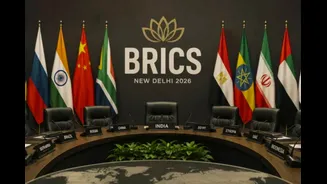
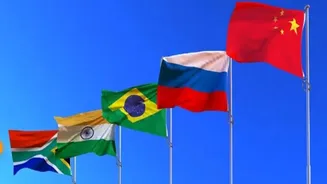
Perhaps the biggest change influencing India's priorities is the bloc's recent expansion, which now includes members like Egypt, Ethiopia, Iran, Saudi Arabia, and the UAE. This larger, more diverse group presents both opportunities and challenges. India's agenda reflects a pragmatic effort to build consensus and steer the group toward practical outcomes rather than getting bogged down by political differences. The challenge is to manage the expanded group and ensure it translates into concrete results. India is positioning itself as a balancing power, aiming to keep the group focused on a development-first agenda and preventing it from being steered into an overtly 'anti-West' direction, a task made more complex by the diverse foreign policies of the new members.