







A New Global Leader Emerges
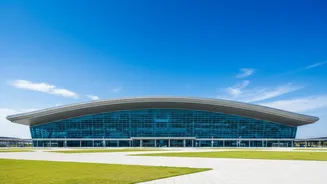
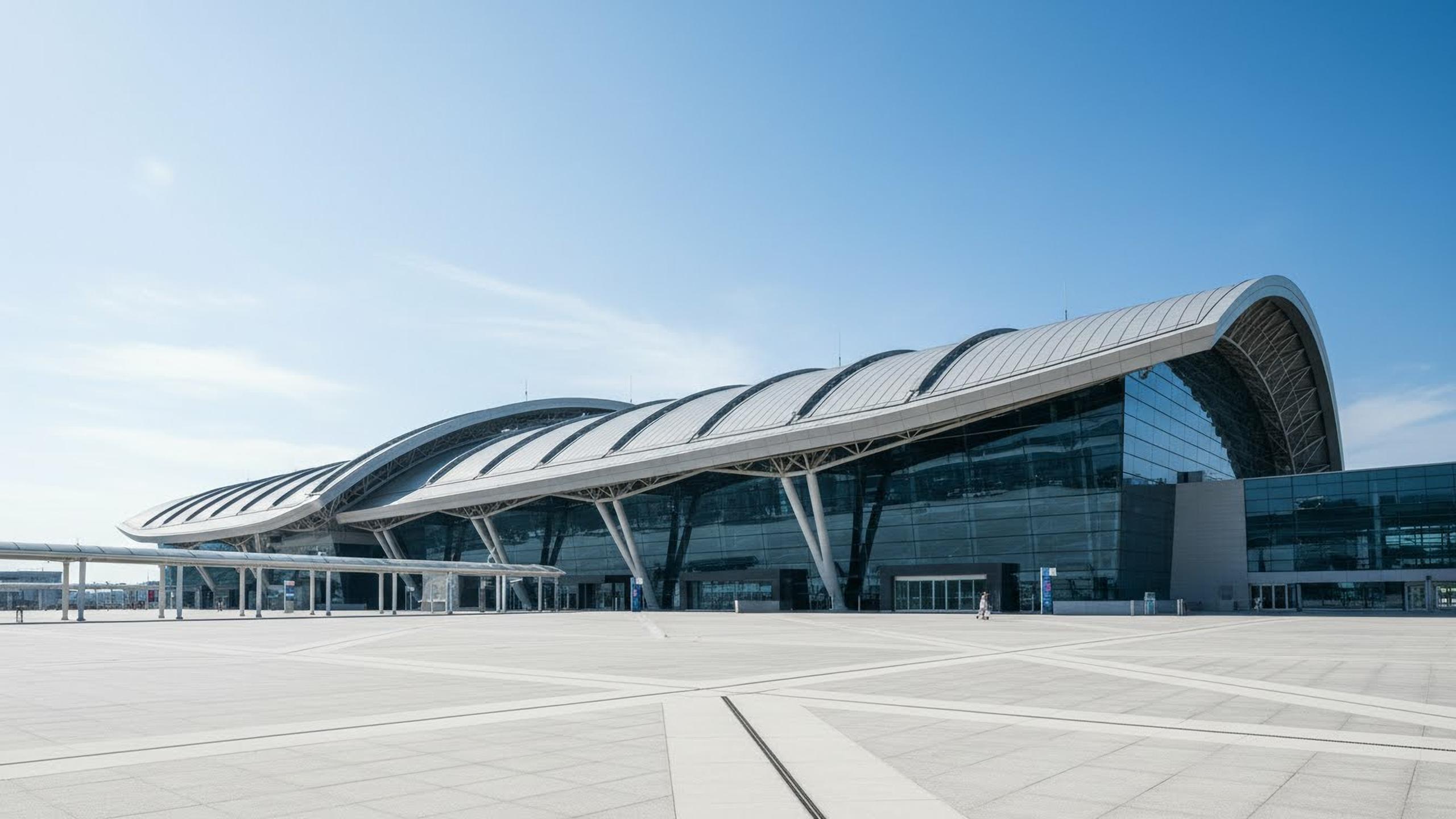
In a significant development for the aviation industry, Seoul's Incheon International Airport has officially become the world's busiest airport based on international passenger traffic for the first half of 2026. According to preliminary data from Airports
Council International (ACI), Incheon handled a staggering 38.39 million international passengers, pushing it to the number one spot for the first time since it opened in 2001. This achievement saw it overtake long-standing leaders like London's Heathrow, which recorded 37.79 million passengers, and Singapore's Changi Airport with 34.53 million. The milestone solidifies Incheon's position not just as a regional gateway, but as a premier global super-hub.
The Strategy Behind the Surge
Incheon's ascent to the top wasn't accidental; it was driven by a combination of strategic advantages and shifting global dynamics. A key factor was a dramatic 18% surge in transfer passengers. Geopolitical instability in the Middle East diverted some traffic that would have normally passed through hubs like Dubai, with Incheon absorbing a significant portion of these redirected travelers. Simultaneously, South Korea has seen a major influx of inbound tourism, especially from nearby China and Japan. This resulted in foreign nationals accounting for a record 44.4% of all airport passengers in the second quarter of 2026, demonstrating the airport's growing importance as a final destination.
Built to Handle the Boom
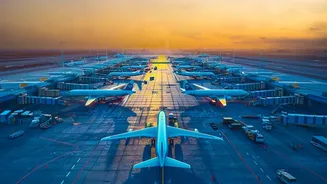
Anticipating this growth, Incheon has been systematically expanding its infrastructure for years. The airport recently completed its massive four-phase construction program, boosting its annual capacity to an impressive 106 million passengers. This foresight means that despite the record-breaking numbers, the airport is well-equipped to manage the flow without compromising efficiency. Its expansive network also plays a crucial role, with over 100 airlines serving 183 cities. This combination of world-class infrastructure and extensive connectivity provided the foundation for its climb to the top of the passenger rankings.
More Than Just Busy
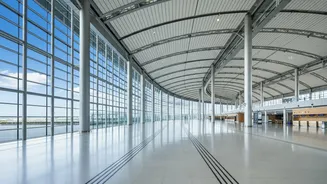
While its new title is based on volume, Incheon's reputation was built on quality. For years, it has consistently been recognized by both ACI and Skytrax for its outstanding passenger service, cleanliness, and efficiency. In the 2026 Skytrax awards, even while placing second overall to Singapore Changi, Incheon was named the 'World's Most Family-Friendly Airport'. Passengers frequently praise its unique amenities, which go far beyond typical airport offerings. Travelers can enjoy a spa, an ice-skating rink, indoor gardens, and even a Museum of Korean Culture, all within the terminals. These features turn layovers from a chore into a pleasant experience.
A Sign of Shifting Skies
Incheon's rise is a powerful symbol of broader trends in global travel. With international travel demand continuing its robust recovery, the center of gravity in the aviation world is increasingly shifting toward Asia. The continent's airports consistently dominate global rankings for both quality and growth, with hubs in Singapore, Tokyo, and Hong Kong also featuring in the top tier. Incheon's success story—combining massive scale with a deep commitment to passenger experience—offers a blueprint for what it takes to be a leading airport in the modern era of travel.