



Meet the Sesame Family
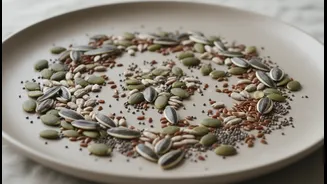
Before we dive into its uses, it's helpful to know the main players. White sesame seeds are the most common, offering a mild, nutty sweetness. They are often sold hulled, with their outer coating removed, making them softer. Black sesame seeds, with their hull intact,
possess a more intense, earthy, and slightly more bitter flavour. Toasting either variety is a simple step that dramatically deepens their aroma and taste, releasing a richer, nuttier essence that can elevate any dish. While the nutritional profiles are largely similar, both types are rich in protein, healthy fats, and minerals like calcium and iron.
The Magic of Tahini
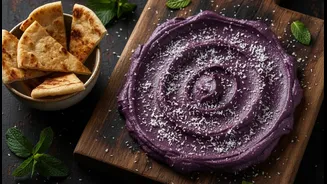
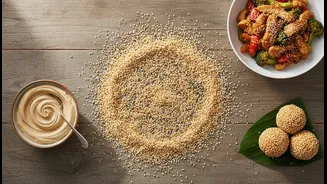
Many of us know tahini as the essential ingredient in hummus, but this creamy paste of ground sesame seeds is a culinary powerhouse. Think of it as a savoury alternative to peanut butter. Whisk it with lemon juice, garlic, and a little water for a luxurious, dairy-free dressing perfect for salads or roasted vegetables like cauliflower and carrots. This simple sauce can also be a marinade for chicken or paneer. In the world of sweets, tahini adds a surprising depth and moistness to baked goods. Try swirling it into brownie batter or substituting it for some of the butter in chocolate chip cookie recipes for a sophisticated, nutty twist.
Embrace Black Sesame
Black sesame deserves its own spotlight. Its striking colour and robust flavour make it a star in both sweet and savoury applications across Asia. In Japan, it is ground with sugar and used as a filling for pastries and sweets. You can find it churned into a uniquely delicious ice cream or blended into a warm, comforting dessert soup. For a savoury take, use black sesame seeds to create a stunning crust on a fillet of fish or a block of paneer before pan-searing. You can even make your own black sesame paste by toasting the seeds and blending them in a food processor with a neutral oil and a touch of sweetener like honey or powdered sugar.
Finishing with Toasted Sesame Oil
It's important to distinguish between plain sesame oil, used for cooking in many parts of India, and toasted sesame oil. The latter, made from roasted seeds, is dark, intensely aromatic, and used as a finishing oil, not for high-heat cooking. A few drops can transform a dish. Drizzle it over a bowl of noodle soup, steamed vegetables, or even a simple dal right before serving. It’s a key component in many Asian dressings and marinades, where its powerful fragrance adds an unmistakable layer of flavour. Think of it less as a cooking medium and more as a powerful condiment.
Whole Seeds as the Main Event
Let’s give whole sesame seeds the centre stage. Instead of just a sprinkle, use them as a primary coating. Crusting chicken or fish in sesame seeds before frying or baking provides a wonderful crunch and flavour that breadcrumbs can't match. Explore Japanese Goma-ae, a simple and elegant side dish where blanched vegetables like spinach are tossed in a rich dressing of ground sesame seeds, soy sauce, and a touch of sugar. Or make your own furikake, a dry Japanese seasoning of sesame seeds, chopped seaweed, and salt, perfect for sprinkling over rice, eggs, or even popcorn.