






The Festive Food Frenzy
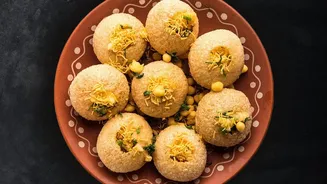
In India, the period from Navratri through Diwali is the country's most significant festive season, marked by family gatherings, celebrations, and an explosion in the consumption of specialty foods. The demand for traditional sweets (mithai), savory snacks
(namkeen), and dairy products skyrockets. Intricately decorated sweets made from milk solids (khoya), cheese (paneer), and clarified butter (ghee) are central to the celebrations, exchanged as gifts and consumed in vast quantities. This spike in demand, however, creates immense pressure on the food supply chain, from small sweet shops to large manufacturers, to produce more and faster. While a boon for business, this annual rush also creates a powerful economic incentive for some to cut corners, often with dangerous consequences.
A Shadow Market of Adulteration
The dark side of this festive demand is a seasonal surge in food adulteration. To increase volume and profits, unscrupulous producers sometimes mix cheap or even non-edible substances into their products. Milk and its derivatives are primary targets. Khoya and paneer can be bulked up with starch, while milk itself has been found diluted with water or, more alarmingly, contaminated with detergent and urea. Ghee can be mixed with cheaper vegetable oils. Other common adulterants include non-permitted, industrial-grade color dyes to make sweets look more vibrant and fake silver foil made from aluminum to decorate them. These substances don't just cheat the consumer; they pose significant health risks, ranging from digestive issues and food poisoning to more severe long-term health problems.
India's Food Watchdog Steps In
Responding to this recurring threat, the Food Safety and Standards Authority of India (FSSAI) has ordered a special nationwide enforcement drive ahead of the 2026 festive season. In a directive issued in late September, FSSAI instructed officials in all states and territories to significantly ramp up inspections, surveillance, and sampling of food products. The crackdown specifically targets high-demand festive items like milk products, sweets, edible oils, and snacks. The goal is to prevent adulterated, counterfeit, and unsafe foods from reaching the market. The move is part of a broader, more aggressive stance on food safety that has seen the regulator intensify checks across the country in recent months.
What Inspectors Are Looking For
The FSSAI's directive is precise. Enforcement teams are focusing on known "hotspots" and sensitive areas, such as large markets and production hubs, where adulteration is more likely. Recent raids in the lead-up to the festive season have already resulted in the seizure and destruction of thousands of kilograms of suspected adulterated paneer and khoya. To aid the effort, authorities are deploying mobile testing vans called "Food Safety on Wheels" to prominent markets. These units can conduct on-the-spot tests, providing immediate results and raising consumer awareness. FSSAI has also mandated that all inspection and sampling data be uploaded to a central digital platform in real-time, creating a more transparent and responsive system for tracking violations across the country.
Why It Matters Beyond India
For Americans, this story is more than a distant headline. It's a window into the universal challenge of ensuring food safety in a globalized world. The U.S. is a major importer of Indian food products, including spices, snacks, and ready-to-eat meals. A recent FSSAI action, for example, forced a recall of a popular brand of cumin powder due to pesticide levels exceeding prescribed limits. Furthermore, with a large and vibrant Indian diaspora in the United States, many families participate in festive traditions, often purchasing specialty sweets and ingredients from local stores that import them. A robust regulatory system in a country of 1.4 billion people is crucial for both its own citizens and for consumers worldwide. The FSSAI's heightened vigilance serves as a critical reminder that protecting the food supply chain is a shared global responsibility.