






A Period of Spiritual Discipline
At its heart, Sawan is a month dedicated to devotion. Many observers undertake fasts, especially on Mondays (Sawan Somvar), as a form of spiritual discipline to purify the mind and body. The dietary choices made during this time are not just about abstinence
but are a conscious effort to foster a state of calm and mental clarity, which is believed to aid in prayer and meditation. The goal is to reduce inner distractions and focus on one's spiritual journey. This practice of mindful eating is seen as an act of devotion in itself, helping to strengthen one's connection to the divine.
The Wisdom of Seasonal Eating
Sawan coincides with the peak of the monsoon season, a time when the environment is humid and damp. According to Ayurveda, the ancient Indian science of life, the body's digestive fire, or 'agni', tends to be weaker during this period. Heavy, oily, and complex foods can become harder to digest, potentially leading to sluggishness and other health issues. The traditional Sawan diet, with its emphasis on light and fresh meals, aligns perfectly with this Ayurvedic wisdom. By consuming easily digestible foods, the body can function optimally, conserving energy and maintaining balance during a season when it is naturally more vulnerable to infections.
Embracing a Satvik Diet
The food philosophy of Sawan is centred around the concept of a 'satvik' diet. Satvik foods are those that are considered pure, natural, and energy-giving, promoting qualities of peace, clarity, and harmony. This includes fresh fruits, milk and dairy products like paneer and curd, nuts, and certain vegetables such as bottle gourd and potato. In contrast, 'rajasic' foods (like onion and garlic) and 'tamasic' foods (like non-vegetarian items and stale food) are avoided. Rajasic foods are believed to be overstimulating, while tamasic foods are thought to induce dullness or lethargy, both of which are considered hindrances to spiritual focus. Even common table salt is often replaced with 'sendha namak' (rock salt), which is considered a purer, unprocessed alternative.
What's Off the Menu and Why
The list of foods to avoid during Sawan is guided by both spiritual and practical reasons. Non-vegetarian food is excluded as a mark of respect for all living beings, reflecting the principle of compassion. Onions and garlic, despite being vegetables, are avoided because their 'rajasic' nature is believed to distract the mind. Many also avoid leafy green vegetables. This is a practical consideration rooted in the monsoon season, as the damp conditions can make these vegetables prone to hosting insects and germs, making them harder to clean and potentially unsafe. Similarly, deep-fried and excessively spicy dishes are limited as they are harder on the monsoon-weakened digestive system.
Celebrating with Simple Delicacies
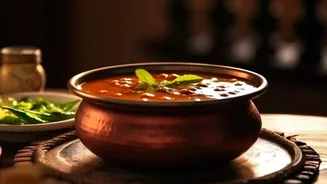
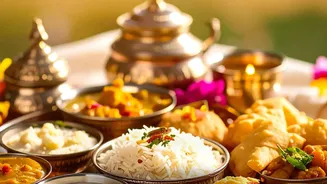
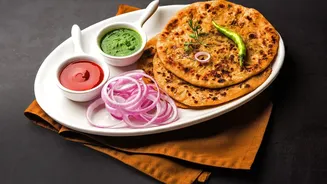
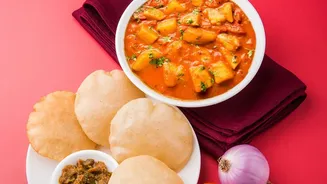
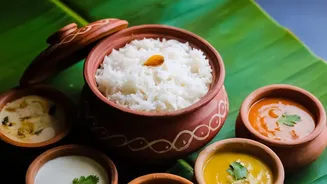
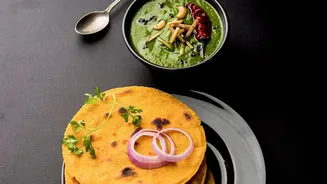
Fasting during Sawan is far from a period of deprivation. Instead, it opens up a culinary world of unique and delicious dishes made from permitted ingredients. Sabudana (tapioca pearls) is a star ingredient, used to make comforting khichdi and crispy vadas. Flours like 'kuttu' (buckwheat) and 'singhara' (water chestnut) are used to make pooris and parathas. Samak rice, or barnyard millet, serves as a substitute for regular rice in pulaos and kheers. These simple, fresh meals are not only flavourful and satisfying but also provide sustained energy throughout the day, proving that vrat food can be both nourishing and delightful.