



Geography Writes the Menu
Before any chef or home cook decides what to make, the local climate has already shaped the pantry. The Indian subcontinent’s vast and varied geography is the primary reason specific grains dominate certain regions. The hot, humid climate and abundant
rainfall in Southern India create the perfect conditions for cultivating rice. For centuries, farmers have grown what the land supports, making rice not just a food but the backbone of the local economy and culture. Conversely, the arid, dry regions of Rajasthan, Gujarat, and parts of Maharashtra are less suited for water-intensive crops like rice or wheat. This is where hardy, drought-resistant millets such as bajra (pearl millet) and jowar (sorghum) thrive, becoming the logical and necessary staples for survival and sustenance. Northern plains, with their distinct seasons and fertile soil, are ideal for growing wheat. This fundamental link between climate and crop dictates the foundation of regional cuisines.
The Science of Softness and Structure
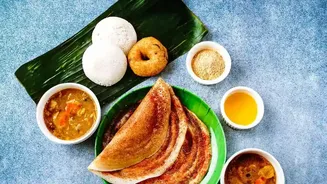
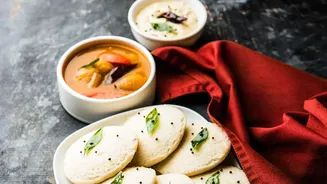
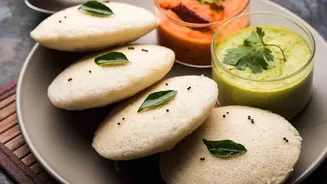
Beyond what grows where, the unique properties of each grain determine its culinary destiny. The key differentiator is often gluten, a protein found in wheat. Gluten forms an elastic network when mixed with water, which is essential for creating the soft, pliable, and airy texture of North Indian breads like rotis, naans, and parathas. Indian wheat varieties are known for their hard grain texture and good protein content, which lends itself perfectly to these applications. Rice, on the other hand, is naturally gluten-free. Its structure is defined by its starch content. This makes it ideal for the fermentation process required for idli and dosa batters, where a controlled breakdown of starches creates the characteristic light, airy texture of idlis and the crispiness of dosas. Millets like bajra and jowar are also gluten-free, resulting in denser, flatter breads (bhakri or rotlo) that don't puff up like wheat rotis but offer a distinct, earthy texture and flavour.
Rice: The Versatile Heart of the South
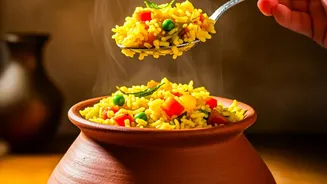
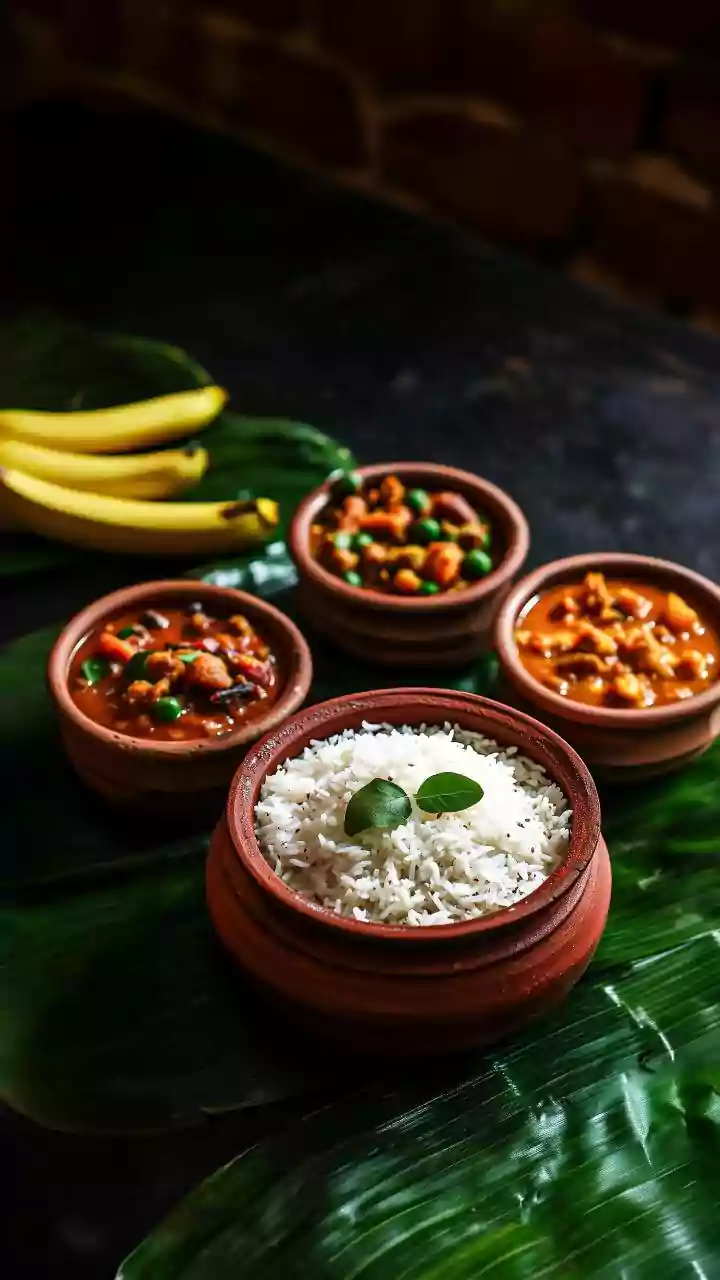
In South India, rice is far more than just a side dish; it's the soul of the meal. Its culinary genius lies in its versatility. It can be steamed and served plain, becoming the perfect neutral canvas for flavourful curries and sambars. Its easy digestibility and ability to pair well with spiced dishes make it a staple. But its true magic is revealed when it's transformed. By being parboiled, ground, and fermented, it creates batters for a vast array of dishes like dosas, idlis, and appams. This process not only changes the texture but also enhances the nutritional profile and digestibility. The hot and humid climate of the South is not only congenial for growing rice but also aids in its digestion and assimilation in the body.
Millets: Hardy Grains for Arid Lands
Millets are the unsung heroes of regions where water is scarce. Bajra, the most widely consumed millet in India, is a cornerstone of Rajasthani and Gujarati cuisine. It’s a drought-resistant crop that provides vital energy and nutrients. Traditionally, bajra roti is a dense, unleavened flatbread with a slightly coarse texture and a nutty flavour. Because it lacks a strong flavour on its own, it pairs beautifully with pungent accompaniments like 'lehsun ki chutney' (garlic chutney) or a simple dollop of ghee. Furthermore, bajra is considered a 'warming' grain, making it a winter favourite that provides sustained energy. Similarly, jowar is a staple in Maharashtra and Karnataka, used to make bhakri, a rustic flatbread that is both filling and nutritious. These millets are packed with fibre, iron, and magnesium, making them nutritional powerhouses born from necessity.