




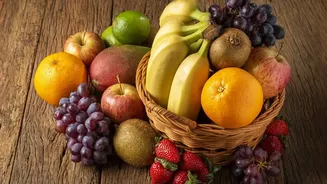
The Invisible Culprit: Ethylene Gas
The primary reason for this rapid transformation is a naturally occurring plant hormone called ethylene gas. It is an odourless, colourless gas that acts as a ripening signal for many fruits, including bananas. As fruits mature, they begin to produce
ethylene, which in turn triggers a series of chemical changes that we recognise as ripening: softening of the flesh, an increase in sweetness, and a change in colour. Think of it as the fruit telling itself it's time to become delicious.
Bananas: The Gassy Roommates
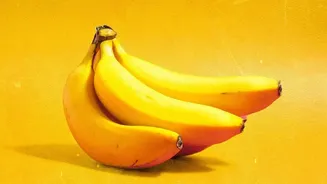
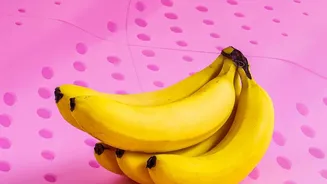
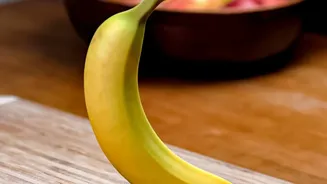
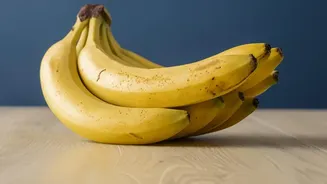
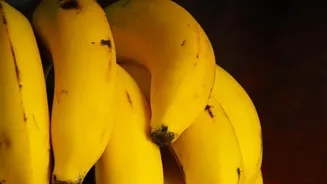
Bananas are what are known as climacteric fruits, meaning they continue to ripen after being harvested. They are particularly notable because they both produce a large amount of ethylene gas and are highly sensitive to its effects. This creates a powerful feedback loop. As a banana ripens, it releases ethylene, which signals it to ripen even more, which causes it to release even more ethylene. This chain reaction is why a single banana can go from yellow to spotty brown in what feels like an afternoon, especially if left in a bunch where the gas gets trapped.
The Influence of Bad Company
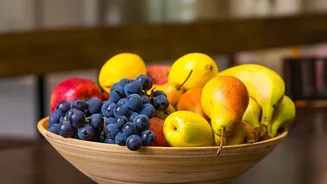
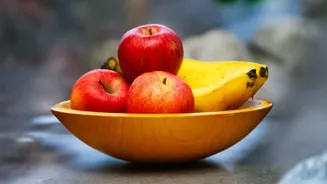
When you place bananas in a fruit bowl with other ethylene-producing fruits, you're essentially creating a ripening gas chamber. Apples, pears, avocados, peaches, and tomatoes are all significant producers of ethylene gas. When they are all housed together, the collective concentration of ethylene in the air around the fruit skyrockets. This communal cloud of hormones tells every sensitive fruit in the bowl, especially the highly receptive bananas, to accelerate their ripening process dramatically. An unripe banana, which is also sensitive to ethylene, will quickly get the message to speed up its journey to maturity.
From Green to Brown: The Chemistry of Colour
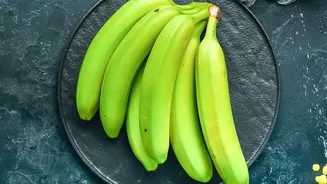
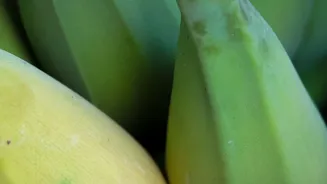
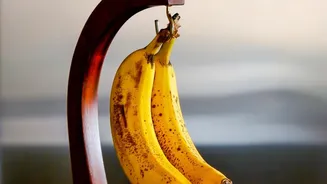
The colour change in a banana is a direct result of ethylene's work. In a green, unripe banana, the peel is full of chlorophyll, the same pigment that makes leaves green. When exposed to ethylene, the banana begins to break down this chlorophyll. This unmasks the yellow pigments, called carotenoids, that were there all along. As ripening continues and ethylene production ramps up, the process goes a step further. High concentrations of the gas cause enzymes to react with phenols in the peel, creating melanin—the same pigment responsible for tanning in human skin—which results in the characteristic brown spots. Eventually, the whole peel turns brown as this process takes over.
Master Your Fruit Bowl
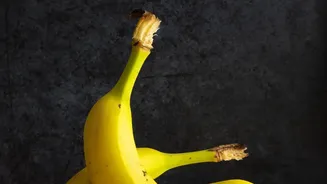
Understanding the power of ethylene allows you to control your fruit's destiny. To slow down ripening, the solution is simple: separate your bananas from other fruits, especially high-producers like apples and pears. Keeping bananas away from each other by separating the bunch and even wrapping the individual stems in plastic can also help, as much of the gas is released from the stem. Conversely, if you have a rock-hard avocado or a stubbornly green pear, you can use this knowledge to your advantage. Place it in a paper bag with a ripe banana. The bag will trap the ethylene gas, speeding up the ripening process significantly.