


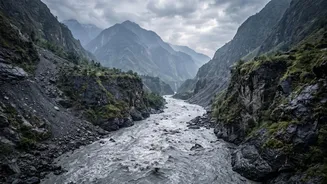
A Torrent of Ice and Rock
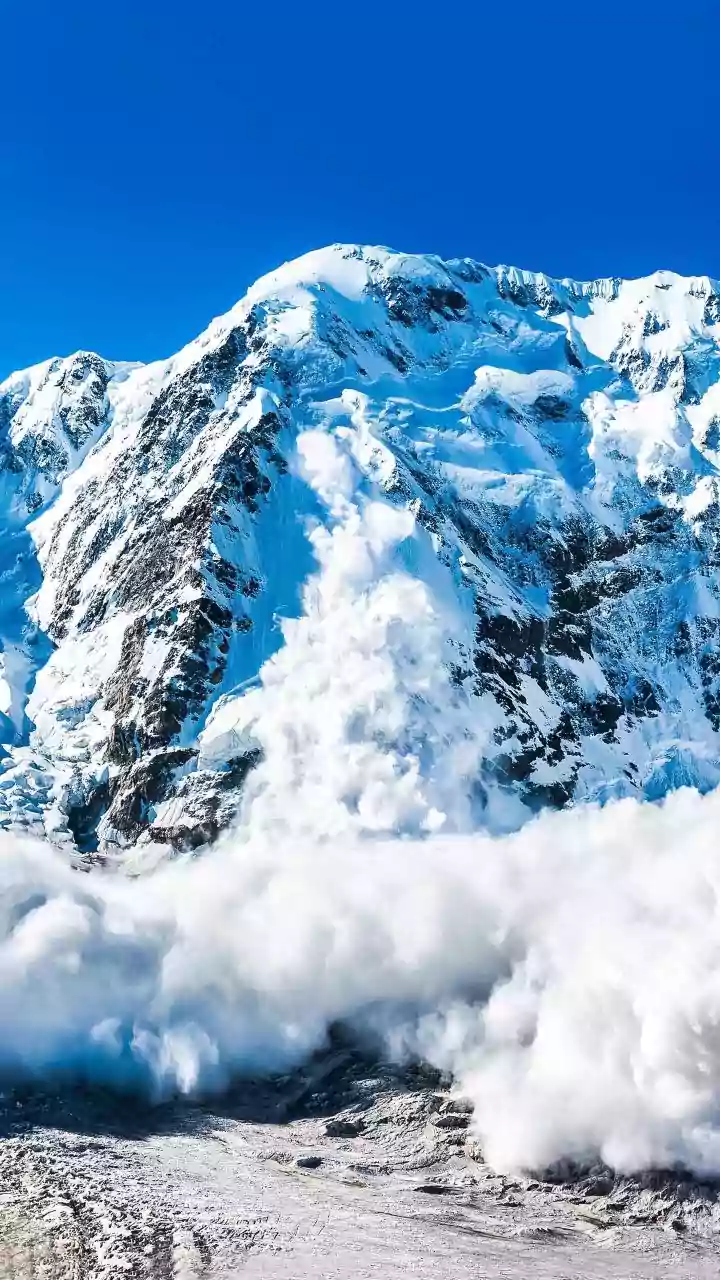
On August 26, 2026, a colossal chunk of a glacier broke off high in the mountains near the Nepal-Tibet border. The resulting avalanche of ice and rock, registering with the force of a magnitude 5.2 earthquake, slammed into the Bhote Koshi river system.
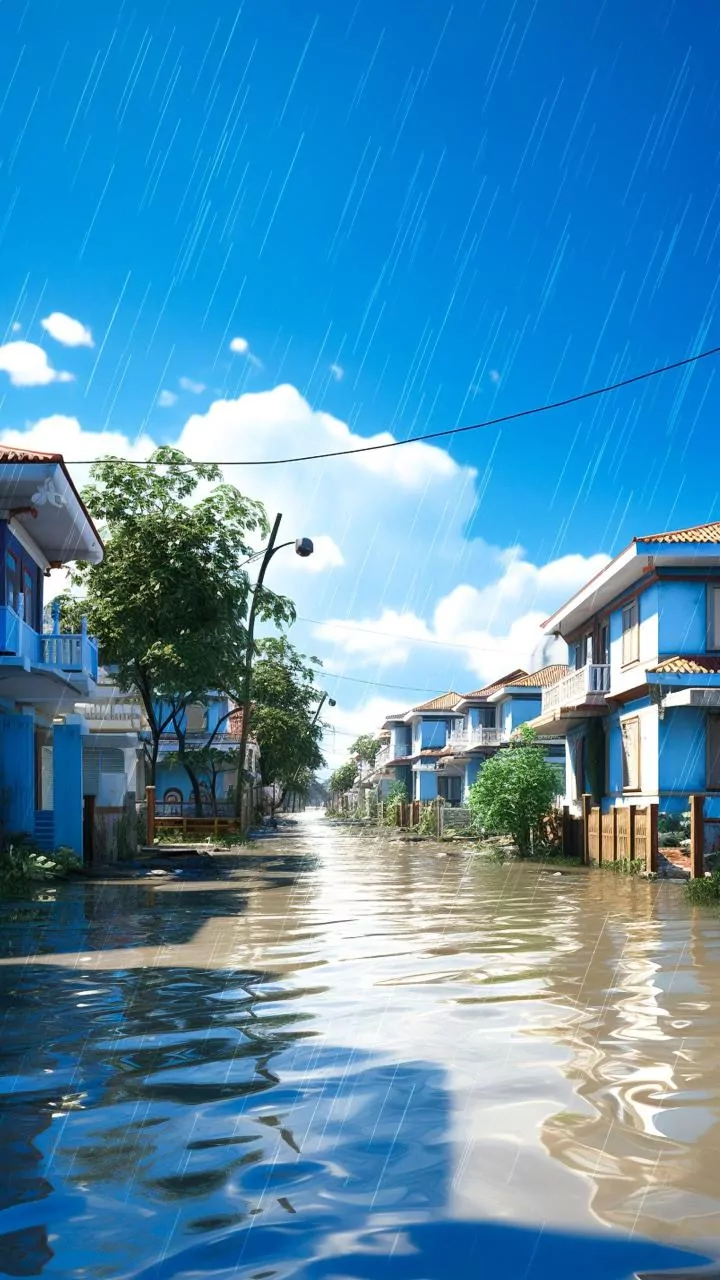
This temporarily dammed the river, before the blockage gave way and unleashed a violent surge of water, mud, and debris downstream. The floodwaters inundated communities across the Rasuwa, Nuwakot, and Dhading districts, sweeping away homes, markets, bridges, and critical hydropower plants. Hundreds were killed, with many more, including foreign tourists and hydropower workers, reported missing as rescue efforts were hampered by destroyed roads and the ongoing threat of further landslides.
The Unstable Foundation
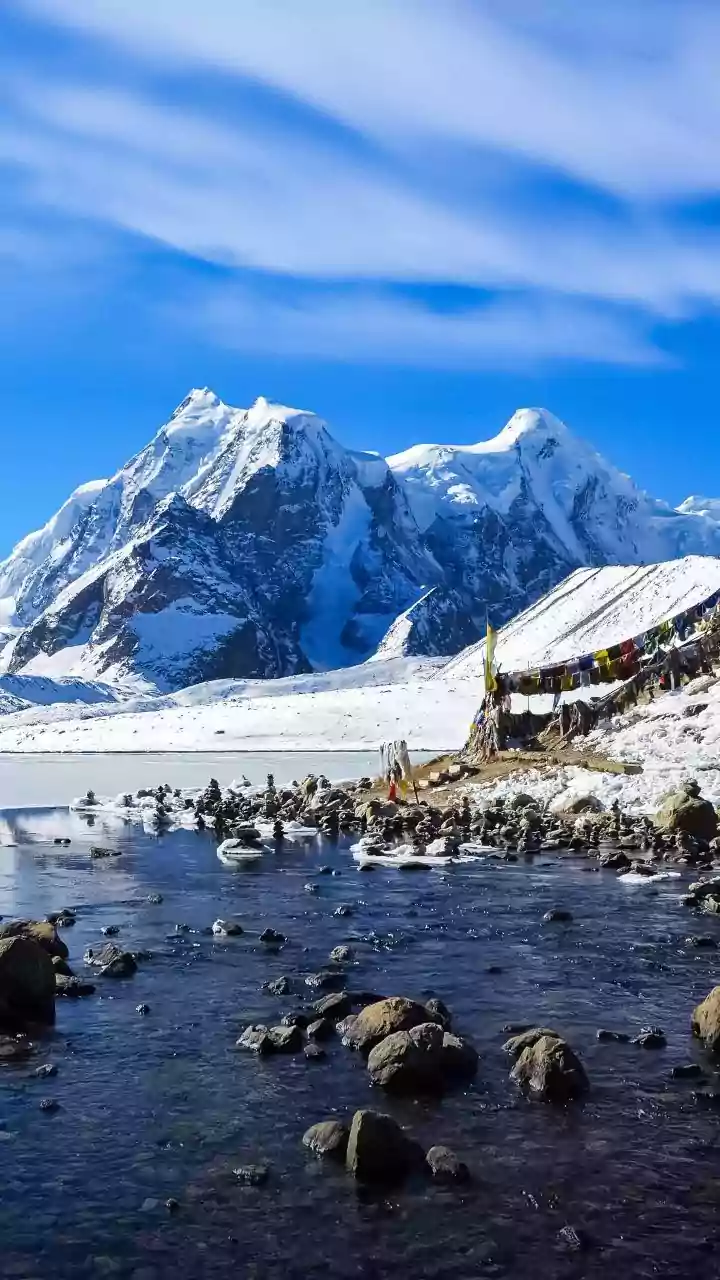
The Himalayas are the world's youngest and most geologically active mountain range. Formed by the ongoing collision of the Indian and Eurasian tectonic plates, the terrain is inherently unstable, characterized by steep slopes and fragile rock formations. This makes the region naturally susceptible to earthquakes, landslides, and erosion. Events like the recent disaster are not new to this landscape; the area has a history of destructive floods and avalanches. However, scientists warn that a combination of other factors is turning these predictable hazards into larger and more frequent catastrophes.
Climate Change as a Threat Multiplier
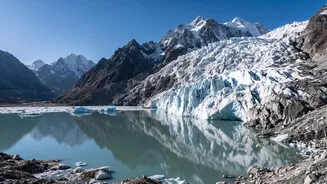
The Himalayan region is warming at nearly twice the global average, a change that acts as a powerful threat multiplier. Rising temperatures are causing glaciers to retreat at an accelerating rate. This rapid melt has two dangerous consequences. First, it forms and expands glacial lakes, vast bodies of water held back only by unstable natural dams of rock and debris. A breach can trigger a Glacial Lake Outburst Flood (GLOF), a phenomenon that has occurred with devastating effects in Nepal before. Second, as glaciers shrink, they expose previously supported rock faces. The thawing of permafrost—the frozen ground that acts as a glue holding mountainsides together—further weakens these slopes, making them more prone to collapse.
The Human Factor
While geology and climate set the stage, human activity has significantly increased the vulnerability of communities. In recent decades, there has been a massive boom in infrastructure development across the Himalayas, including roads, towns, and a proliferation of hydropower projects. Experts note that new settlements and commercial structures are increasingly being built on low-lying riverbanks, directly in the path of potential floods, a departure from traditional settlement patterns that favored higher ground for safety. This unchecked development, often without adequate consideration of geological risks, places more lives and critical infrastructure in harm's way when disaster inevitably strikes, as seen with the multiple hydropower stations damaged or destroyed in the August flood.
A Shared Crisis Across Borders
The disaster in Nepal is a grave reminder that these risks are not confined by national borders. The Himalayan glaciers are the water towers of Asia, feeding major rivers like the Ganga, Indus, and Brahmaputra, which support over a billion people downstream in countries including India, Pakistan, and China. A disaster originating in one country can have catastrophic consequences for its neighbors. The August flood itself began near the border with China's Tibet region and swept into Nepal, affecting multiple nationalities. Experts stress that these events are becoming the "new normal" and that without cross-border cooperation on early warning systems, sustainable infrastructure planning, and climate adaptation, the human and economic toll will only continue to rise.